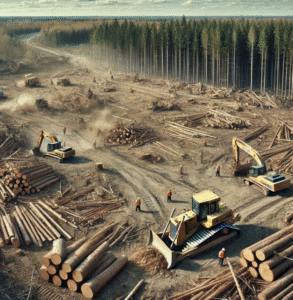
🌳 Understanding Tree Protection Laws in the U.S.: Preserving Our Urban & Natural Forests

Law News for Tree Protection

Trees are vital to our communities. They clean air, reduce heat, provide shade, support wildlife, and enhance property values. Yet, as development expands, trees are felled—sometimes with little regulation or public oversight. Across the U.S., municipalities and states use a web of ordinances, statutes, and guidelines to balance growth with the essential stewardship of urban and natural forests. This blog delves into these legal frameworks, spotlighting their types, requirements, and true impact on preserving our leafy friends — complete with emojis, authority links, and real-world examples.


1. Tree Ordinance Types: Street, Protection & View 🌲

The International Society of Arboriculture (ISA) categorizes tree laws into three main types:

  1. Street Tree Ordinances – Regulate trees in public rights-of-way, including their planting, pruning, and removal.

  2. Tree Protection Ordinances – Safeguard valuable native, heritage, or municipally designated trees via permitting requirements.

  3. View Ordinances – Help resolve disputes between neighbors when trees obstruct property views or sunlight ncpc.gov+2wwv.isa-arbor.com+2arborday.org+2.

⚙️ Why it matters

Each ordinance type carries distinct obligations—whether tagging, replacing, or protecting trees. Understanding which ordinance applies in your area is the first step toward compliance.


2. Municipal Tree Protections: Orlando, Tampa & Winter Park

✅ Orlando, FL

In recent amendment proposals, Orlando has redefined protected trees, refined mitigation standards, and introduced “timber cruise” sampling protocols for large developments orlando.gov+1cityofwinterpark.org+1.

✅ Tampa, FL

Tampa mandates that no person may prune, cut, damage, or remove any protected tree without a permit issued by the Development & Growth Management Department. Violations bring irreversible fines fic.naturalareasnyc.org+4tampa.gov+4cityofwinterpark.org+4.

✅ Winter Park, FL

Winter Park’s ordinance requires a 1:1 or 1:2 tree replacement ratio based on diameter at breast height (DBH), for every protected tree removed .


3. Federal Laws & Forest Protection

Beyond local laws, several key federal statutes also safeguard trees:

  • The Lacey Act (1900) prohibits interstate trade in illegally harvested timber or plant products; amended in 2008 to include wood products cityofwinterpark.org+15en.wikipedia.org+15epa.gov+15.

  • The Plant Protection Act, FIFRA, and the Endangered Species Act safeguard plant health and habitat integrity on both public and private lands stateforesters.org.

  • The U.S. Forest Service, through Title 16 USC, manages national forests and enforces regulations under the National Forest System .

🌎 Together, they define expansive conservation goals across state and federal lands.


4. Urban Forestry & Viewpoint Rights

Urban forestry efforts shaped early legal frameworks for street trees. For instance:

  • In Massachusetts (late 19th century), municipalities enacted “nail laws”—metal tags in urban trees to protect them.

  • Massachusetts also required tree wardens since 1896, official stewards responsible for municipal trees axios.comen.wikipedia.org.

These early innovations laid the foundation for modern urban forestry initiatives, ensuring accountability and expertise when it comes to care and maintenance.


5. Strengthening Urban Canopy: Case Studies from Cities

🏙️ Nashville, TN

In 2021, Nashville passed Bill BL2021‑829, establishing:

🌳 Atlanta, GA

A draft City Council update (May 2025) would elevate tree removal fees to $260 per trunk inch (from $30) and raise penalties for unauthorized removal from $60,000 to $260,000 per acre axios.com. This marks a significant shift toward accountability and replanting cost coverage.

🌆 Seattle, WA

Seattle boasts tree protections but encountered backlash in late 2024 when a 100-year-old cedar (“Astra”) was legally chopped for ADU development. The incident highlighted the limits of Seattle’s canopy laws axios.comaxios.com.


6. Heavy Penalties & Restoration Mandates

In some states, violations of tree protection laws carry steep consequences:

  • Connecticut’s 2006 Anti‑Encroachment Law allows fines up to $9 million for unauthorized cutting on preserved municipal land, exemplified by the Southbury case in early 2025 ctinsider.com.

💡 Takeaway

When it comes to protected and municipal treasure-trees, the financial risks of overstepping can far exceed the cost of compliance.


7. Ordinances in Canada & the UK – A Comparative Lens

The U.K. employs Tree Preservation Orders (TPOs) to authorize protected trees, but critics argue that inconsistencies persist, and many trees lack protection until it’s too late theguardian.com.

Canada sets an example: in Toronto, all public and private trees are protected by default. Any removal requires a license; illegal cutting can cost C$100,000 theguardian.com.

🏆 Canadian laws often serve as a benchmark for stronger U.S. municipal protections.


8. How Tree Ordinances Work: Process & Enforcement

🛠️ Authorization & Permitting

Typical steps include:

  • Marking protected trees (e.g. ribbon or tag),

  • Submitting proof of permit,

  • Paying fees for removal or mitigation,

  • Often scheduling inspections by an arborist.

🔄 Replacement Requirements

Most laws require replacement trees at a determined ratio relative to DBH or canopy footprint. Guidelines often specify caliper size and species suitability for replanting sarasotafl.gov.

💰 Fines & Enforcement

Violations can trigger fines, legal action, or restoration orders. Many cities allow double or treble restoration fees plus actual damages, with exceptions for unsafe or diseased trees.


9. Key Legal Challenges & Public Policy Debates

  • Development vs. Conservation: Homeowners and developers often argue that buffer-heavy laws detour growth, creating regulatory burdens, while advocates emphasize ecological benefits.

  • Equity & Enforcement: Underserved neighborhoods may see less canopy coverage—and less enforcement. NGOs push for equitable forestry policies.

  • Private Landowner Rights: Generally, homeowners may manage trees entirely on their property—but protected-status trees still require permits. States like Florida vary in their definitions of what is considered “protected” .

  • Inconsistent Penalties: Hefty fines (e.g., CT or Miami) are controversial—some argue they discourage compliance; others claim leniency undermines conservation.


10. Best Practices for Compliance 🌿

  1. Know your local definitions – DBH thresholds, designated species, zones covered.

  2. Engage early – Before development begins, consult local arborists and forestry officials.

  3. Document everything – Photos, marked trees, permits, surveys.

  4. Choose appropriate replanting – Native, non-invasive, well-spaced, species diversity.

  5. Stay updated – Cities like Atlanta and Miami are revising their laws in 2025 mapc.org+1cityofwinterpark.org+1orlando.gov+8axios.com+8axios.com+8.


Conclusion 🎯

From nail-tagged street trees in 19th-century New England to $260-per-inch penalties in modern Atlanta, tree protection laws have evolved, but the challenge endures. A robust, multifaceted legal framework—comprising federal statutes, municipal ordinances, and enforcement protocols—remains essential for preserving our urban and forested landscapes.

Understanding compliance requirements and proactively engaging with regulators is not just a legal necessity—it’s a civic one. Trees are the lungs of our cities and guardians of ecological resilience. They’re truly worth protecting.


🌐 Authority Resources & Further Reading

🌿 Understanding Land Clearing Laws: A Comprehensive Guide

Law News for Land Clearing

Land clearing is a fundamental step in land development, agriculture, and construction. However, it involves more than just removing vegetation; it requires navigating a complex web of federal, state, and local laws designed to protect the environment, ensure public safety, and maintain ecological balance. This article delves into the intricate legal landscape surrounding land clearing, with a particular focus on Florida, providing insights into the necessary permits, environmental considerations, and best practices.


Federal Regulations Governing Land Clearing

National Environmental Policy Act (NEPA)

The National Environmental Policy Act (NEPA) mandates that federal agencies assess the environmental effects of their proposed actions prior to making decisions. This includes projects involving land clearing, especially when federal funding or permits are involved. NEPA ensures that environmental factors are considered equally with economic and technical factors in decision-making processes. Wikipedia+1Wikipedia+1

Clean Water Act (CWA)

Under the Clean Water Act, any discharge of dredged or fill material into “waters of the United States,” including wetlands, requires a permit from the U.S. Army Corps of Engineers. Land clearing activities that involve such discharges must comply with Section 404 of the CWA to prevent significant degradation of aquatic ecosystems.

Endangered Species Act (ESA)

The Endangered Species Act prohibits activities that may harm endangered or threatened species or their habitats. Before initiating land clearing, it’s crucial to consult with the U.S. Fish and Wildlife Service to ensure that the activity does not negatively impact protected species.


Florida’s State Regulations on Land Clearing

Florida Department of Environmental Protection (FDEP)

The Florida Department of Environmental Protection (FDEP) oversees environmental management and stewardship, including regulations on land clearing. Activities that may impact wetlands or other sensitive areas require an Environmental Resource Permit (ERP) from the FDEP. floridalandclearing.com

Florida Forest Service Regulations

The Florida Forest Service regulates open burning associated with land clearing. Specific guidelines dictate when and how vegetative debris can be burned, including requirements for air curtain incinerators and restrictions in smoke-sensitive areas. Prodenv+2Florida Department of Agriculture+2Orange County, FL+2Florida Senate

Tree Protection Laws

Florida Statute Section 163.045 allows property owners to remove trees that pose a danger to persons or property without obtaining a permit, provided they have documentation from a certified arborist or licensed landscape architect. Florida Legislature


Local Regulations and Permitting Processes

Osceola County

In Osceola County, land clearing for single-family residential development requires a permit. Applicants must submit detailed plans and assume responsibility for compliance with all applicable laws. Osceola

Bay County

Bay County mandates land clearing permits for parcels over three acres, which must be issued in conjunction with a development order. For parcels under three acres, permits can be obtained from the Planning and Zoning Division. baycountyfl.gov

Martin County

Martin County requires a Land Clearing Plan to be submitted with building permit applications. Land clearing cannot commence until the building permit, including the approved Land Clearing Plan, is issued. Martin County+1baycountyfl.gov+1

Brevard County

Brevard County offers a Small-Scale Land Clearing Permit for activities that do not impact wetlands or protected species. The permit is valid for 30 days from the date of issuance. baycountyfl.gov+2Default+2Smith Trucking+2


Environmental Considerations

Wetlands and Protected Areas

Clearing land in or near wetlands requires careful planning and adherence to both federal and state regulations. Permits from the FDEP and possibly the U.S. Army Corps of Engineers are necessary to ensure that these sensitive ecosystems are protected. floridalandclearing.com

Wildlife Protection

Florida is home to numerous endangered and threatened species. Before clearing land, it’s essential to conduct wildlife assessments to ensure that habitats are not disrupted, complying with the Endangered Species Act and state regulations.ShadowCat Services, Inc.


Best Practices for Compliance

  1. Conduct Preliminary Assessments: Evaluate the presence of wetlands, protected species, and other environmental factors before planning land clearing activities.

  2. Obtain Necessary Permits: Secure all required federal, state, and local permits before commencing any land clearing operations.

  3. Engage Professionals: Consult with environmental consultants, certified arborists, and legal experts to navigate the complex regulatory landscape.

  4. Implement Erosion Control Measures: Use silt fences, sediment basins, and other best management practices to prevent soil erosion and protect water quality.

  5. Maintain Documentation: Keep detailed records of all assessments, permits, and communications with regulatory agencies.American Legal Publishing+2Orange County, FL+2Default+2


Conclusion

Land clearing is a multifaceted process governed by a combination of federal, state, and local laws aimed at balancing development needs with environmental protection. Understanding and complying with these regulations is essential to avoid legal complications and contribute to sustainable land management. By conducting thorough assessments, obtaining the necessary permits, and implementing best practices, landowners and developers can ensure that their land clearing activities are both legally compliant and environmentally responsible.


Note: The information provided in this article is for general guidance only and does not constitute legal advice. For specific legal concerns, please consult with a qualified attorney or the appropriate regulatory agency.

Navigating Legal Requirements for Starting a Concrete Coating Business in Florida

law news for Concrete Coating

Starting a concrete coating business in Florida offers promising opportunities, especially given the state’s booming construction and renovation sectors. However, to ensure compliance and avoid potential legal pitfalls, it’s crucial to understand and adhere to the various laws and regulations governing this industry. This comprehensive guide delves into the essential legal considerations for establishing and operating a concrete coating business in Florida.


1. Business Registration and Structure

Before commencing operations, you must register your business with the appropriate state agencies.


2. Contractor Licensing Requirements

In Florida, contractor licensing is regulated by the Department of Business and Professional Regulation (DBPR).

Depending on the scope of your services, you may need to obtain specific licenses:

  • Certified Contractor License: Allows you to work statewide. Requirements include passing the Florida contractor’s examination, demonstrating financial stability, and providing proof of experience.
    👉 Certified Contractor License FAQs

  • Registered Contractor License: Permits you to work within specific local jurisdictions. You must hold a local contractor’s license and register with the state.
    👉 DBPR Application Center

It’s essential to determine whether your services fall under the categories requiring licensure. For example, while decorative concrete resurfacing may not require a state license, some counties or cities might have their own licensing rules.
👉 Guide to Decorative Concrete Coatings


3. Insurance and Bonding

Adequate insurance coverage is vital for protecting your business and clients:

  • General Liability Insurance: Covers property damage and bodily injuries during your operations.

  • Workers’ Compensation Insurance: Mandatory if you have employees. It covers medical expenses and lost wages for work-related injuries.
    👉 Florida Workers’ Compensation Information

Additionally, if your credit score is below 660, Florida requires you to obtain a contractor license bond to demonstrate financial responsibility.
👉 How to Get a Contractor License in Florida


4. OSHA Compliance

Ensuring workplace safety is paramount. The Occupational Safety and Health Administration (OSHA) sets forth regulations your business must follow:

  • Respirable Crystalline Silica Standard: Concrete grinding and cutting can release silica dust, which poses serious health risks. Implement control measures such as wet cutting, HEPA filters, and protective ventilation.
    👉 New OSHA Silica Rule for Concrete Dust

  • Personal Protective Equipment (PPE): Provide PPE to employees, including respirators, gloves, and eye protection.
    👉 OSHA PPE Standards

  • Spray Finishing Operations: If your work includes spray application of coatings, comply with OSHA’s regulations on flammable liquids and spray booths.
    👉 OSHA Spray Booth Regulations


5. EPA Regulations

The Environmental Protection Agency (EPA) governs the use of certain chemicals and materials to protect the environment:

  • Volatile Organic Compounds (VOCs): Many coatings contain VOCs, which contribute to air pollution. Ensure the products you use comply with the EPA’s limits for architectural coatings.
    👉 EPA Factsheet – AIM Coatings

  • Hazardous Waste Management: Properly store and dispose of leftover coatings, thinners, and solvents according to EPA guidelines.
    👉 EPA Concrete Sector Information


6. Local Permitting and Zoning

Local jurisdictions may have additional requirements:

  • Building Permits: Some concrete coating projects—especially if they alter the structure—require permits. Always check with the local building department.
    👉 Cape Coral Licensing & Permits FAQs (Example)

  • Zoning Regulations: Ensure your business location complies with zoning codes, especially for commercial or industrial workspaces. Reach out to your city or county zoning office for details.


7. Best Practices for Compliance

Here are a few tips to help you maintain compliance and foster long-term success:

  • Stay Up to Date: Regularly check regulatory websites like DBPR, OSHA, and EPA.

  • Maintain Documentation: Keep copies of all licenses, permits, insurance policies, safety procedures, and training logs.

  • Train Your Team: Schedule regular training on safety and compliance topics to ensure your employees are informed.

  • Hire Legal and Tax Experts: Consider hiring a construction attorney or a CPA who understands state and federal compliance for contractors.


Conclusion

Launching a concrete coating company in Florida isn’t just about knowing how to deliver a great finish—it’s about building your business on a strong legal foundation. From state licensing to federal environmental guidelines, the laws you follow protect your business, your team, and your clients. By staying informed and proactive, you’ll not only stay compliant—you’ll also earn the trust that turns first-time customers into loyal fans.

Whether you’re just starting or scaling your services, understanding and following these laws will help you build a successful, resilient business for years to come.