


The Laws That Shape the Game: What Every Owner’s Rep in Los Angeles Must Know

law news for Owners Rep

If you’re an Owner’s Representative in Los Angeles, you’re not just managing projects—you’re navigating a high-stakes battlefield of laws, regulations, and compliance hurdles. The difference between success and failure in this role isn’t just about how well you manage contractors or negotiate costs. It’s about knowing the rules of the game so well that you can bend them in your favor—without breaking them.

In Los Angeles, construction, development, and real estate are governed by a complex web of regulations, from city ordinances to state and federal laws. Staying compliant isn’t just a necessity—it’s a competitive advantage. When you understand these laws inside and out, you can anticipate challenges before they happen, mitigate risk before it escalates, and confidently lead projects to success.

So let’s break it down. This guide will walk you through the key laws every Owner’s Rep in Los Angeles must follow, from zoning and environmental compliance to labor laws and contract management. Let’s get you armed with the knowledge to lead, protect your clients, and drive results like a pro.

Zoning and Land Use Laws

One of the biggest legal hurdles an Owner’s Rep faces in Los Angeles is zoning. The Los Angeles Department of City Planning enforces strict zoning regulations that determine what type of projects can be built, where they can be built, and under what conditions.

Zoning Code Compliance: Every piece of land in LA falls into a specific zoning category—residential, commercial, industrial, or mixed-use. Projects must comply with these zoning laws or go through a rezoning or variance approval process.

Specific Plans and Community Plans: Certain areas of LA have additional layers of regulation under specific plans, such as the Hollywood Community Plan or the Downtown Community Plan, which impose additional restrictions.

Historic Preservation Overlay Zones (HPOZs): If a project falls within a designated HPOZ, it must adhere to guidelines that preserve the historical integrity of the area.

Failing to comply with zoning laws can delay a project indefinitely, cost millions in fines, and, in extreme cases, force a complete shutdown. The best Owner’s Reps anticipate zoning issues before they arise, ensuring all necessary approvals are in place before a single shovel hits the ground.

Building Codes and Permits

In Los Angeles, every project—no matter how big or small—must comply with California’s Building Standards Code (Title 24) and the Los Angeles Municipal Code. These regulations cover structural integrity, fire safety, plumbing, electrical work, accessibility, and energy efficiency.

Permit Process: No construction project can begin without the proper permits from the Los Angeles Department of Building and Safety (LADBS). Permits range from grading and foundation work to electrical and plumbing installations.

Seismic Compliance: Given California’s earthquake-prone environment, all structures must meet stringent seismic safety standards. The California Building Code (CBC) includes seismic design criteria that ensure buildings can withstand earthquakes.

Green Building Codes: The City of LA enforces the California Green Building Standards Code (CALGreen), which mandates sustainable building practices, including water efficiency, energy conservation, and waste reduction.

A great Owner’s Rep is always ahead of the permit game, ensuring applications are submitted on time and inspections are scheduled efficiently to avoid costly project delays.

Environmental Laws and Compliance

California has some of the strictest environmental regulations in the country, and Los Angeles takes them to another level. Owner’s Reps must be intimately familiar with these laws to keep projects running smoothly.

California Environmental Quality Act (CEQA): Any project that has a significant environmental impact requires an Environmental Impact Report (EIR), which can take months—if not years—to complete.

Stormwater Management (SWPPP): Any construction activity that disturbs more than one acre of land must comply with the Stormwater Pollution Prevention Plan (SWPPP) requirements to prevent contamination of local waterways.

Hazardous Materials and Waste: From asbestos and lead-based paint to soil contamination, projects must follow strict protocols under the Resource Conservation and Recovery Act (RCRA) and California’s Department of Toxic Substances Control (DTSC).

Air Quality Regulations: The South Coast Air Quality Management District (SCAQMD) enforces air pollution standards, requiring mitigation measures for dust control and emissions during construction.

Non-compliance with environmental laws can result in hefty fines, project shutdowns, and even criminal charges. The best Owner’s Reps are proactive about environmental compliance, working closely with environmental consultants and regulatory agencies to keep projects on track.

Labor Laws and Contractor Compliance

An Owner’s Rep isn’t just responsible for project management—they’re also accountable for labor law compliance. California has some of the toughest worker protection laws in the nation, and Los Angeles enforces them aggressively.

Prevailing Wage Laws: If a project is publicly funded, it must comply with California’s prevailing wage laws, ensuring workers are paid fair wages as determined by the California Department of Industrial Relations (DIR).

Workers’ Compensation Requirements: Contractors must provide workers’ compensation insurance, and Owner’s Reps must verify compliance before allowing work to begin.

OSHA and Cal/OSHA Compliance: Safety regulations under the Occupational Safety and Health Administration (OSHA) and its California counterpart, Cal/OSHA, must be strictly followed to protect workers from injuries and fatalities.

Independent Contractor vs. Employee Classification: Misclassifying workers can lead to severe penalties. California’s AB5 law imposes strict criteria for determining whether a worker is an independent contractor or an employee.

A knowledgeable Owner’s Rep works with legal advisors and HR specialists to ensure every contractor and subcontractor is in full compliance with labor laws, avoiding disputes that could derail a project.

Contract Law and Risk Management

Contracts are the backbone of every construction project. Without airtight agreements, projects can become legal nightmares. Owner’s Reps must be skilled in contract negotiation, ensuring all parties understand their obligations and liabilities.

Standard Contracts (AIA, DBIA, and CMAA): Many construction projects use standardized contracts from the American Institute of Architects (AIA) or the Design-Build Institute of America (DBIA). Understanding these frameworks ensures projects are set up for success.

Change Order Management: Construction projects are dynamic, and change orders are inevitable. Managing them correctly prevents cost overruns and disputes.

Dispute Resolution: Whether through mediation, arbitration, or litigation, having a solid dispute resolution plan in place can save time and money.

Insurance and Bonding Requirements: Projects require various insurance coverages, including general liability, builder’s risk, and performance bonds, to protect against unforeseen risks.

A high-performance Owner’s Rep anticipates contract pitfalls before they arise, ensuring every agreement protects their client’s interests while keeping the project moving forward.

Conclusion

Being an Owners Rep Los Angeles isn’t for the faint of heart. It’s a high-stakes role that demands mastery of zoning laws, building codes, environmental regulations, labor laws, and contract management. The best in the business don’t just follow the rules—they leverage them to create strategic advantages, ensuring projects are completed on time, on budget, and with minimal legal exposure.

When you know the laws inside and out, you don’t just manage projects—you dominate them. You build trust with clients, command respect from contractors, and establish yourself as the go-to expert in the industry. The game isn’t just about compliance—it’s about using knowledge as power. So step up, learn the rules, and play to win.
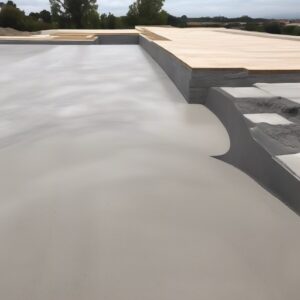
Essential Business Laws Ready Mix Suppliers Should Be Aware Of

concrete suppliers near me

Running a Ready Mix concrete supply business involves more than just mixing and delivering concrete. Like any business, Ready Mix suppliers must navigate a complex web of legal requirements. Compliance with these laws helps ensure smooth operations, protects the company from liabilities, and maintains a strong reputation in the industry.

Understanding business laws specific to the Ready Mix industry is crucial. From environmental regulations to labor laws, safety protocols, and contractual obligations, each area of law can significantly impact your company’s operations. In this comprehensive article, we will explore the essential business laws that Ready Mix suppliers should be aware of and how compliance can safeguard your business from potential risks.

Environmental Laws

Clean Water Act (CWA)

The concrete industry can significantly impact the environment, especially regarding water pollution. The Clean Water Act (CWA) regulates the discharge of pollutants into the waters of the United States. Ready Mix suppliers must ensure that their operations, including concrete washout and stormwater management, comply with CWA standards.

Violations of the CWA can result in hefty fines and penalties, and in some cases, criminal charges. Ready Mix suppliers should implement proper containment systems for concrete washout and ensure that stormwater runoff does not carry pollutants into nearby water sources.

Clean Air Act (CAA)

Concrete production and transportation emit particulate matter and other pollutants, which are regulated under the Clean Air Act (CAA). Ready Mix suppliers must ensure that their production facilities and vehicles comply with emissions standards to avoid violations.

Using modern, fuel-efficient vehicles and adhering to dust control measures are practical ways to remain compliant. Non-compliance with the CAA can lead to fines, operational shutdowns, and damage to a company’s reputation.

Resource Conservation and Recovery Act (RCRA)

The Resource Conservation and Recovery Act (RCRA) governs the disposal of solid and hazardous waste. Ready Mix suppliers often deal with leftover concrete, chemical additives, and fuel that need to be disposed of properly. Failing to follow RCRA requirements can result in environmental hazards and legal consequences.

Occupational Safety and Health Laws

Occupational Safety and Health Act (OSHA)

Safety is a critical concern in the Ready Mix concrete industry. The Occupational Safety and Health Administration (OSHA) sets and enforces standards to ensure workplace safety. Ready Mix suppliers must comply with OSHA regulations to minimize workplace injuries and fatalities.

Concrete mixing plants and delivery sites are high-risk areas, and employers must provide proper safety training, protective gear, and hazard communication. Regular safety audits, accident reporting, and adherence to OSHA standards are crucial for compliance.

Non-compliance can lead to fines, shutdowns, and even criminal liability if negligence leads to serious accidents or injuries.

Hazard Communication Standard (HCS)

Concrete and the chemicals used in the process, such as cement additives, can be hazardous. OSHA’s Hazard Communication Standard (HCS) mandates that Ready Mix suppliers communicate information about hazardous chemicals through labels, safety data sheets, and employee training programs.

Failure to comply with HCS can result in workplace accidents, legal liabilities, and substantial fines.

Labor Laws

Fair Labor Standards Act (FLSA)

The Fair Labor Standards Act (FLSA) regulates minimum wage, overtime pay, and child labor standards. Ready Mix suppliers, like all businesses, must comply with FLSA provisions, ensuring that employees are fairly compensated for their work, especially during long hours of concrete mixing and delivery.

Violations of the FLSA can result in wage-and-hour lawsuits, back pay requirements, and penalties. Proper timekeeping systems, regular payroll audits, and adherence to overtime laws are critical for compliance.

National Labor Relations Act (NLRA)

Ready Mix suppliers must also be aware of the National Labor Relations Act (NLRA), which protects employees’ rights to organize and bargain collectively. Labor unions are common in the construction industry, and Ready Mix suppliers must understand their obligations when employees seek to unionize.

Employers who violate the NLRA by retaliating against employees for organizing or bargaining in bad faith can face legal challenges, including strikes and lawsuits.

Family and Medical Leave Act (FMLA)

The Family and Medical Leave Act (FMLA) requires businesses with 50 or more employees to provide eligible workers with up to 12 weeks of unpaid, job-protected leave for certain family and medical reasons. Ready Mix suppliers must ensure that they adhere to FMLA regulations to avoid lawsuits and employee dissatisfaction.

Contractual and Liability Laws

Uniform Commercial Code (UCC)

The Uniform Commercial Code (UCC) governs sales contracts and business transactions, including those involving Ready Mix concrete. Suppliers must draft clear, enforceable contracts that outline the terms of sale, delivery, warranties, and remedies in case of a breach.

A well-drafted contract protects Ready Mix suppliers from disputes with contractors and clients over issues like delayed deliveries, product quality, and payment terms. Failure to uphold contractual obligations can result in breach of contract lawsuits, damaging business relationships and finances.

Product Liability Laws

Concrete suppliers can be held liable for damages if the concrete they provide is defective or fails to meet the necessary strength requirements, resulting in structural failure. Ready Mix suppliers must ensure that their products meet industry standards and that quality control measures are in place.

Product liability claims can lead to costly lawsuits, settlements, and reputational damage. Implementing a robust quality assurance program and maintaining records of product testing can help protect against liability claims.

Indemnity Agreements

Indemnity agreements are commonly used in the construction industry to allocate liability between parties. Ready Mix suppliers should be familiar with indemnity clauses in contracts with contractors and clients to ensure they are not unfairly held responsible for accidents or damages caused by other parties.

Understanding the scope of indemnity provisions can prevent costly legal disputes and protect your business from unwarranted liabilities.

Transportation and Delivery Laws

Department of Transportation (DOT) Regulations

The Department of Transportation (DOT) oversees regulations related to the transport of Ready Mix concrete. Suppliers must comply with DOT standards for vehicle maintenance, driver qualifications, and hours of service to ensure safe and efficient deliveries.

Non-compliance with DOT regulations can result in fines, vehicle impoundment, and accidents, which can severely impact a Ready Mix supplier’s business operations.

Motor Carrier Safety Regulations

In addition to DOT regulations, Ready Mix suppliers must adhere to the Federal Motor Carrier Safety Administration (FMCSA) rules, which govern the operation of commercial vehicles. These regulations cover driver qualifications, drug and alcohol testing, and vehicle safety inspections.

Violations can lead to penalties, legal liabilities, and an increased risk of accidents, making compliance essential for suppliers relying on vehicle fleets for deliveries.

Zoning and Land Use Laws

Local Zoning Laws

Ready Mix suppliers must ensure that their plants and facilities comply with local zoning laws and land-use regulations. These laws govern where industrial activities like concrete production can take place and may include restrictions on noise, emissions, and truck traffic.

Non-compliance with zoning laws can result in fines, forced relocations, or even the closure of a facility. Working with local authorities and obtaining the necessary permits can help ensure compliance with zoning regulations.

Building Codes and Permits

Concrete mixing plants must meet local building codes and safety standards. Suppliers may need permits for new construction, renovations, or facility expansions. Compliance with building codes ensures that plants are safe for employees and the surrounding community.

Failure to obtain the proper permits or meet building code requirements can lead to fines, delays, and legal challenges.

Conclusion

Operating a Ready Mix supply business requires more than just expertise in concrete production and delivery. The legal landscape for Ready Mix suppliers near me is vast, covering environmental regulations, workplace safety, labor laws, transportation, contracts, and local zoning. Understanding and complying with these business laws is crucial for avoiding costly fines, legal disputes, and reputational damage.

Ready Mix suppliers who prioritize legal compliance not only protect their businesses but also contribute to a safer, more sustainable industry. By staying informed of the latest legal requirements and seeking expert legal counsel when needed, suppliers can ensure that their operations run smoothly and efficiently, paving the way for long-term success in the competitive construction industry.