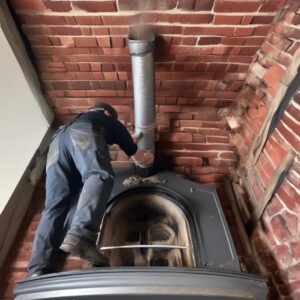
Chimney inspections play a critical role in maintaining the safety and functionality of residential and commercial heating systems. While many homeowners and business owners understand the importance of regular chimney maintenance, fewer are aware of the legal requirements surrounding chimney inspections. Federal, state, and local regulations outline specific standards that must be followed to ensure that chimneys are safe for use. Failure to comply with these laws can result in penalties, legal liabilities, and, most importantly, increased risks of fires, carbon monoxide poisoning, and structural damage. This article delves into the legal aspects of chimney inspections, highlighting key regulations, industry standards, and the responsibilities of property owners and chimney professionals.
The Importance of Chimney Inspections
Before exploring the laws governing chimney inspections, it is important to understand why these inspections are essential. A chimney serves as a ventilation system for fireplaces, wood stoves, and other heating appliances, allowing smoke, gases, and other byproducts to escape safely. Over time, chimneys can develop structural issues, accumulate dangerous creosote buildup, and become obstructed by debris or animal nests. Regular inspections help identify and mitigate these risks, ensuring safe operation and compliance with legal standards.
The National Fire Protection Association (NFPA) and the Chimney Safety Institute of America (CSIA) set industry standards for chimney inspections. These organizations work closely with government agencies to establish guidelines that help prevent fires, carbon monoxide poisoning, and other hazards associated with chimney use.
Federal Regulations Governing Chimney Inspections
At the federal level, chimney inspection regulations are primarily influenced by fire safety and environmental protection laws. While there is no singular federal statute that mandates chimney inspections for all property owners, several regulations impact the industry:
The Clean Air Act (CAA): This law regulates emissions from solid fuel-burning appliances, including fireplaces and wood stoves. The Environmental Protection Agency (EPA) enforces limits on particulate emissions, requiring periodic inspections and maintenance to ensure compliance.
The Occupational Safety and Health Administration (OSHA): OSHA establishes workplace safety standards, which apply to chimney inspectors and maintenance professionals. OSHA regulations require safe working conditions for those inspecting and cleaning chimneys, including the use of protective equipment and adherence to fall protection measures.
The Consumer Product Safety Act (CPSA): This act grants the Consumer Product Safety Commission (CPSC) the authority to regulate products that pose risks to consumers, including chimney components. Inspections ensure that chimney liners, caps, and other parts meet safety standards to prevent fire hazards and exposure to harmful gases.
State and Local Chimney Inspection Laws
While federal regulations provide overarching safety guidelines, state and local governments often have more specific laws governing chimney inspections. These laws vary widely depending on the jurisdiction and may include the following:
Mandatory Inspection Requirements: Some states require chimney inspections before a home can be sold or transferred. For example, in certain counties in California and Massachusetts, property owners must provide a recent chimney inspection report during real estate transactions.
Building Codes: State and local building codes dictate construction and maintenance standards for chimneys. Many jurisdictions adopt the International Residential Code (IRC) and the International Fire Code (IFC), which include provisions for chimney inspections and safety measures.
Rental Property Regulations: Landlords in many states must ensure that heating systems, including chimneys, are maintained in safe working condition. Some states mandate annual inspections for rental properties to protect tenants from fire and carbon monoxide risks.
Permit Requirements: When installing or modifying a chimney, permits are often required. Local building departments typically enforce permit regulations and may require inspections to verify compliance with safety standards.
Industry Standards and Best Practices
Beyond legal requirements, chimney inspections are guided by best practices established by industry organizations. The National Fire Protection Association (NFPA) 211 Standard for Chimneys, Fireplaces, Vents, and Solid Fuel-Burning Appliances is the leading standard for chimney inspections. This standard classifies inspections into three levels:
Level 1 Inspection: A basic visual inspection, typically required for routine maintenance and annual safety checks.
Level 2 Inspection: A more detailed inspection, including video scanning or other diagnostic tools, often required when property ownership changes or after a chimney-related event such as a fire.
Level 3 Inspection: A comprehensive inspection that may require removing portions of the chimney structure to assess severe damage or hidden hazards.
Certified chimney professionals follow these levels to ensure thorough evaluations of chimney systems.
Homeowner Responsibilities and Legal Liabilities
Property owners bear significant responsibility for maintaining their chimneys in compliance with applicable laws. Failing to schedule regular inspections and necessary repairs can lead to:
Fire Hazards: A neglected chimney can accumulate creosote, a highly flammable substance that increases the risk of chimney fires.
Carbon Monoxide Exposure: Blocked or damaged chimneys can cause dangerous gases to back up into a home, leading to potential poisoning.
Legal Consequences: Noncompliance with inspection laws can result in fines, lawsuits, and difficulties in selling or insuring a property.
Insurance Issues: Many homeowners’ insurance policies require proof of chimney maintenance and inspections. Neglecting these requirements could result in denied claims in the event of a fire or damage.
Conclusion
Understanding the legal framework surrounding chimney inspections is essential for homeowners, landlords, and chimney service professionals. Federal regulations, state laws, and local ordinances collectively ensure that chimneys are maintained safely and efficiently. Industry standards like those set by the NFPA and CSIA provide additional guidance to keep properties compliant and hazard-free.
To remain on the right side of the law and protect lives and property, it is crucial to schedule regular chimney inspections with certified professionals. Compliance with these regulations not only reduces legal and financial risks but also ensures the safety and well-being of everyone who relies on a properly functioning chimney system. By staying informed and proactive, property owners can maintain their chimneys in a manner that meets both legal obligations and safety best practices.