


What Laws Must Front Door Refinishing Companies Follow? A Legal Guide for Ethical and Compliant Services

Law News for Door Refinishing

Front door refinishing companies are in the business of restoring curb appeal, preserving wood integrity, and helping homeowners make that all-important first impression. But while sanding, staining, and sealing may sound like straightforward tasks, this niche industry is subject to a web of legal obligations. From environmental safety regulations to consumer protection laws, refinishing businesses must comply with federal, state, and local laws to operate legally and avoid fines—or worse, lawsuits.

If you run a front door refinishing company or plan to hire one, understanding the legal landscape is essential. This guide will break down the key laws that apply to front door refinishing, explain their implications, and help business owners stay on the right side of compliance ✅.


1. EPA Lead Renovation, Repair and Painting (RRP) Rule

🚨 Federal Law Alert: Lead-Safe Work Practices Are Mandatory

One of the most critical regulations impacting front door refinishing is the EPA’s Lead Renovation, Repair and Painting Rule, known as RRP. This rule applies to any work that disturbs painted surfaces in homes, schools, or child care facilities built before 1978. Why 1978? Because that’s when the federal government banned consumer use of lead-based paint 🧪.

Who Must Comply?
If you are refinishing a front door in a pre-1978 home, and there’s a possibility of disturbing lead paint (sanding, scraping, heating), you are legally required to:

  • Be certified by the EPA or a state-authorized program.

  • Train employees in lead-safe work practices.

  • Follow strict containment, cleaning, and disposal protocols.

Penalties for Non-Compliance:
Failure to comply can lead to fines of up to $43,611 per day 😱.


2. OSHA Regulations for Worker Safety

👷 Protecting Your Team Is the Law

Front door refinishing often involves chemicals, power tools, and exposure to fine dust particles. That’s where the Occupational Safety and Health Administration (OSHA) steps in. OSHA standards are designed to protect employees from hazards on the job.

Key Requirements:

  • Respiratory Protection Standard (29 CFR 1910.134): Workers must use masks or respirators when sanding or applying finishes that produce fumes.

  • Hazard Communication Standard (29 CFR 1910.1200): Workers must be informed of any hazardous chemicals being used (e.g., oil-based stains, strippers).

  • Eye and Skin Protection: Gloves, goggles, and proper clothing must be provided when handling caustic materials.

Recordkeeping Requirements:
OSHA also requires that businesses keep logs of work-related injuries and illnesses for any company with more than 10 employees.


3. State Contractor Licensing Laws

🧾 Are You Licensed to Do This Work?

While refinishing doesn’t always require a general contractor license, many states require specialty or home improvement licenses for this type of work. The exact requirements vary by state.

For example:

  • California: Requires a C-33 Painting and Decorating Contractor License if the job exceeds $500. More info can be found at the California Contractors State License Board.

  • Texas: Does not require a state license for painting or refinishing, but local cities may have permitting requirements.

  • Florida: Requires a registered or certified contractor license depending on the county.

Operating without proper licensure can result in:

  • Civil penalties

  • Criminal charges

  • Loss of business


4. Zoning and Local Permitting

🏡 Local Government Rules Matter Too

Some municipalities have specific rules about operating mobile refinishing businesses, particularly if you’re using trailers or performing work in residential driveways.

Common Local Restrictions:

  • Noise Ordinances: Use of loud sanding equipment may be limited to certain hours.

  • Waste Disposal Rules: Many cities require specific procedures for disposing of chemical waste.

  • Home-Based Business Permits: If you run your refinishing business from your home, you may need special zoning approval.

Always check with your local city or county government office to ensure you’re in compliance 📍.


5. Consumer Protection Laws

🛑 No Misleading Claims, Ever

Most states have consumer protection statutes designed to prevent unfair or deceptive business practices. These rules are enforced by state attorneys general and consumer affairs departments.

Legal Obligations Include:

  • Truthful Advertising: You cannot falsely claim to use “eco-friendly” or “VOC-free” products unless it’s verifiable.

  • Written Contracts: Many states require contracts to include start/end dates, a description of the work, total cost, and cancellation rights.

  • Refunds & Dispute Resolution: Customers must be informed of refund policies in writing.

For instance, the Federal Trade Commission (FTC) also cracks down on unfair business practices nationwide.


6. Insurance & Bonding Requirements

🛡️ Protecting Clients and Businesses Alike

While insurance isn’t technically a law, it’s often a requirement to obtain a business license or work with homeowners’ associations (HOAs) or commercial clients.

Must-Have Policies:

  • General Liability Insurance: Covers damages or injuries that happen on the job site.

  • Workers’ Compensation: Mandatory in most states if you have employees.

  • Surety Bonds: Often required as part of licensing to protect consumers from financial loss.

Not having insurance can expose your company to lawsuits that could shut you down permanently 🚫.


7. Environmental Laws

🌍 You Can’t Just Dump Stain Down the Drain

Many wood stains, sealers, and solvents contain volatile organic compounds (VOCs) and are considered hazardous waste. The Environmental Protection Agency (EPA) and state environmental agencies regulate how these substances are handled.

Regulations to Know:

  • Hazardous Waste Disposal: Leftover chemicals must be taken to authorized hazardous waste facilities.

  • VOC Emission Limits: States like California have strict limits on VOC content in refinishing products. Products that exceed limits may be banned from use.

Failure to follow these laws can result in environmental fines and damage your company’s reputation 💸.


8. Americans with Disabilities Act (ADA) Compliance

🏛️ Refinishing in Commercial or Rental Properties

If your company is refinishing front doors on public buildings or rental properties, your work must not obstruct or violate ADA guidelines. The ADA requires that door handles, signage, and thresholds be accessible to people with disabilities.

Any modifications made during refinishing must maintain or improve accessibility—not limit it.


9. Business Entity & Tax Laws

📊 Form Your Business Correctly

If you’re operating as a sole proprietor or LLC, you must register your business with your Secretary of State and obtain a federal EIN from the IRS. You may also be responsible for collecting and remitting sales tax on your services, depending on your state.

Common Legal Filings:

  • State Business Registration

  • DBA (Doing Business As) Registration

  • Sales Tax Permit

  • Annual Reports & Renewals

Failing to handle your legal filings can result in state penalties or loss of good standing status.


10. Employment and Hiring Laws

👥 If You Hire, You Must Follow HR Law

From background checks to pay laws, refinishing companies that hire employees must follow federal and state labor laws, including:

  • Fair Labor Standards Act (FLSA): Governs minimum wage and overtime pay.

  • Form I-9 and E-Verify: Required to verify employee eligibility to work in the U.S.

  • Anti-Discrimination Laws: Prohibit hiring bias based on race, gender, disability, etc.

Make sure you’re up to date on Department of Labor requirements if you’re building a team.


Conclusion

Front door refinishing might seem like an artistic trade focused on craftsmanship and curb appeal, but it’s also a highly regulated profession. From federal mandates on lead safety and worker protection to local ordinances and business registrations, compliance is not optional—it’s essential.

Running a legal refinishing company means protecting your team, your clients, and your reputation 🔐. It may take time and effort to understand all the laws that apply, but doing so sets your business up for sustainable success and long-term trust.

Whether you’re just starting out or scaling your front door refinishing business, let this legal guide serve as your blueprint. Stay informed, stay insured, and stay compliant—and you’ll keep opening doors to opportunity. 🚪✨
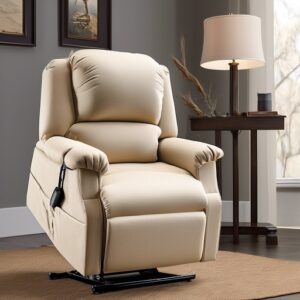
Understanding the Laws Surrounding Lift Chairs: A Comprehensive Guide

laws concerning lift chairs

Lift chairs, also known as power recliners or motorized recliners, have become an essential device for individuals with mobility challenges. These chairs are designed to help users transition smoothly between sitting and standing, making daily activities easier for seniors, people with disabilities, and those recovering from surgery. While the primary focus of lift chairs is comfort and independence, it’s important to understand the various laws and regulations surrounding their use, manufacturing, and distribution.

The regulation of lift chairs involves several key aspects, including medical device classification, insurance coverage, consumer protection laws, and product safety standards. These legal frameworks ensure that lift chairs are not only safe and effective but also accessible to the people who need them the most. This article explores these laws in depth, offering valuable insight into what consumers, manufacturers, and healthcare providers should know.

Medical Device Classification and FDA Regulation

FDA Classification

In the United States, lift chairs are classified as “durable medical equipment” (DME) and are regulated by the Food and Drug Administration (FDA). Specifically, the mechanism that lifts the chair into a standing position is considered a medical device, subject to FDA regulations. The FDA classifies medical devices into three categories based on their level of risk:

Class I: Devices with the lowest risk, subject to general controls (e.g., adhesive bandages).

Class II: Devices with moderate risk, subject to additional regulations and special controls (e.g., powered wheelchairs).

Class III: Devices with the highest risk, requiring premarket approval (e.g., pacemakers).

Lift chairs typically fall under Class II because they have a powered lifting mechanism, which is considered moderately risky if malfunctioning could potentially harm the user. Manufacturers must ensure that the device meets FDA standards for safety and effectiveness. They are also required to maintain records and report any adverse events related to the lift chair’s use.

FDA Approval and Compliance

Manufacturers of lift chairs are required to comply with the FDA’s Good Manufacturing Practices (GMP), ensuring that all products are produced consistently and meet quality standards. Additionally, lift chair manufacturers must register their devices with the FDA and obtain premarket clearance under the 510(k) process. This clearance verifies that the new device is substantially equivalent to another legally marketed device.

Failure to comply with FDA regulations can result in fines, recalls, or even a ban on selling the product.

Medicare and Insurance Coverage

Medicare Part B

In the United States, Medicare covers a portion of the cost of lift chairs under Medicare Part B, which provides coverage for durable medical equipment. However, there are specific conditions that must be met for a lift chair to qualify for Medicare coverage:

The lift chair must be deemed “medically necessary” by a physician. This means that the user must have a condition that makes it difficult to stand up without assistance, such as arthritis or severe mobility issues.

Only the lifting mechanism of the chair is covered by Medicare, not the entire chair. This typically translates to Medicare covering about 80% of the cost of the lifting mechanism after the patient meets their annual deductible, while the remaining cost (usually for the chair itself) is the patient’s responsibility.

To qualify for Medicare coverage, the chair must also be purchased from a Medicare-enrolled supplier. The supplier will bill Medicare directly for the covered portion, and patients will pay their portion out-of-pocket or through supplemental insurance.

Private Insurance

Private insurance companies may also cover lift chairs, though coverage varies significantly depending on the insurer and the specific policy. Some insurance companies follow Medicare’s lead, covering only the lift mechanism, while others may provide more comprehensive coverage.

Patients should contact their insurance provider before purchasing a lift chair to understand the extent of coverage, any pre-approval requirements, and whether a prescription from a healthcare provider is necessary.

Medicaid and State Programs

Medicaid, a state and federal program that assists with medical costs for low-income individuals, may also cover the cost of a lift chair, though eligibility and coverage vary by state. Some states have programs specifically designed to assist individuals with disabilities in acquiring durable medical equipment.

In addition to Medicaid, various state and nonprofit programs may provide financial assistance for the purchase of lift chairs. For example, programs aimed at veterans, seniors, or people with disabilities often offer resources to help cover the costs.

Consumer Protection Laws

Warranty and Return Policies

Lift chairs, like all consumer products, are subject to federal and state consumer protection laws. These laws are designed to protect consumers from defective products, misleading advertising, and unfair business practices. Most manufacturers offer warranties on lift chairs, typically covering defects in materials and workmanship for a specified period. These warranties often range from one to five years, depending on the manufacturer and model.

The Magnuson-Moss Warranty Act is a federal law that governs warranties on consumer products, including lift chairs. Under this law, warranties must be clearly written and easy to understand. If a lift chair comes with a written warranty, it must comply with the Magnuson-Moss Act, meaning that the warranty terms are enforceable by law. Consumers are also entitled to a refund or replacement if the chair is defective and the manufacturer fails to repair it within a reasonable timeframe.

Fair Credit Billing Act

Consumers who purchase lift chairs using a credit card are protected under the Fair Credit Billing Act (FCBA). This law allows consumers to dispute charges if they receive a defective product, are billed incorrectly, or do not receive the product they paid for. In cases where a consumer feels they were wrongfully charged for a lift chair, they can dispute the charge with their credit card company, potentially recovering the cost.

Safety Standards and Accessibility Laws

1. Consumer Product Safety Commission (CPSC) Regulations

The Consumer Product Safety Commission (CPSC) sets safety standards for many consumer products, including lift chairs. The CPSC ensures that lift chairs meet certain criteria to minimize the risk of injury. For example, chairs must have reliable safety mechanisms to prevent malfunction during the lifting process, and the motors and electronics must comply with safety codes to avoid electrical hazards.

In addition, manufacturers must comply with the Federal Hazardous Substances Act (FHSA), which regulates the use of toxic materials and chemicals in consumer products. This law helps ensure that lift chairs do not pose any health risks due to the materials used in their construction.

Americans with Disabilities Act (ADA)

While the Americans with Disabilities Act (ADA) is primarily focused on public spaces and accessibility, it has implications for lift chairs in certain environments. For example, healthcare facilities, assisted living centers, and other public or semi-public establishments are required to provide accommodations for individuals with disabilities. This may include providing access to lift chairs or other mobility aids to ensure that individuals can participate fully in daily activities.

Although the ADA does not require individuals to purchase lift chairs for personal use, it does promote accessibility and equal opportunity in public and commercial settings.

Liability and Legal Recourse

Product Liability Laws

In cases where a lift chair malfunctions and causes injury, product liability laws come into play. These laws allow consumers to sue manufacturers, distributors, or retailers for damages resulting from defective products. There are three main types of product liability claims:

Design Defects: If the design of the lift chair is inherently unsafe or does not function as intended, the manufacturer could be held liable for any injuries that occur as a result.

Manufacturing Defects: If a lift chair was made improperly (e.g., a faulty motor or wiring), the manufacturer could be held responsible for injuries caused by the defect.

Marketing Defects: If the manufacturer fails to provide adequate instructions or warnings about the proper use of the lift chair, they could be held liable if this leads to injury.

Consumers who are injured by a lift chair should consult a personal injury attorney to explore their legal options.

Negligence and Duty of Care

Retailers and healthcare providers who recommend or sell lift chairs also have a legal duty of care to ensure that the products they offer are safe and appropriate for the consumer. If a healthcare provider fails to assess a patient’s needs properly or recommends a lift chair that is not suited for their condition, they could be held liable for negligence.

Conclusion

The laws surrounding lift chairs are designed to protect consumers, ensure product safety, and promote accessibility for individuals with mobility challenges. From FDA regulations and Medicare coverage to consumer protection laws and product liability claims, understanding the legal landscape is crucial for anyone purchasing or using a lift chair.

For consumers, knowing your rights under warranty, insurance policies, and consumer protection laws can help you make informed decisions and ensure that you receive the best possible product and service. For manufacturers and retailers, compliance with safety standards, FDA regulations, and liability laws is essential to avoid legal issues and maintain customer trust.

By staying informed about these laws and regulations, both consumers and providers can navigate the world of lift chairs with confidence and peace of mind.