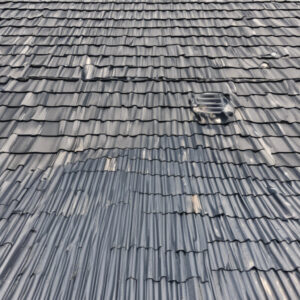
Starting a roof cleaning business can be a profitable venture, given the growing demand for exterior home maintenance services. However, like any other business, there are legal requirements and regulations that entrepreneurs must understand and follow to operate legally and effectively. From business formation to liability protection and environmental regulations, ensuring that you comply with the relevant laws is essential to the success and longevity of your roof cleaning business. This article will provide an in-depth look at the legal aspects involved in starting a roof cleaning business, covering the key areas you need to know before launching.
Choosing the Right Business Structure
When starting a roof cleaning business, one of the first legal decisions you’ll need to make is choosing the right business structure. The business structure you choose will have a significant impact on your personal liability, taxes, and ability to raise capital. Here are the most common business structures for roof cleaning businesses:
Sole Proprietorship: This is the simplest business structure, where you operate the business on your own. While it’s easy to set up and has fewer regulatory requirements, you’ll be personally liable for any debts or legal issues related to the business. This may not be the best option if you want to protect your personal assets.
Partnership: If you’re starting the business with one or more partners, a partnership might be the best choice. It allows for shared ownership and responsibilities. However, like a sole proprietorship, partners are personally liable for the business’s obligations.
Limited Liability Company (LLC): An LLC is one of the most popular business structures because it combines the liability protection of a corporation with the tax flexibility of a sole proprietorship or partnership. This structure protects your personal assets from business liabilities and can be a good choice for roof cleaning businesses.
Corporation: A corporation is a more complex structure that separates your personal and business assets entirely. It offers the highest level of liability protection but also comes with more administrative work and regulatory compliance.
Choosing the right business structure is crucial, and it’s advisable to consult a legal professional or business advisor to determine which one best suits your goals and needs.
Registering Your Business
Once you’ve chosen your business structure, the next step is registering your business. In the United States, this typically involves registering your business name with the appropriate state or local government agency. This may also include obtaining an Employer Identification Number (EIN) from the IRS, which is required for tax purposes.
Business Name Registration: If you plan to use a name other than your own personal name, you may need to register your business name (also known as a “doing business as” or DBA name). This can typically be done with your local county clerk’s office or through the state’s Secretary of State office, depending on where you’re located.
EIN (Employer Identification Number): If you form an LLC or a corporation, or if you plan to hire employees, you will need an EIN. This number serves as your business’s unique tax identifier and is required for tax filings, opening business bank accounts, and hiring employees. You can apply for an EIN online through the IRS website.
State and Local Licensing: In addition to federal requirements, you may need to obtain specific licenses or permits from your state or local government. These may include business licenses, sales tax permits, or specialized permits for cleaning services, depending on where you are located. Be sure to check with your state and local authorities to determine what’s required.
Insurance Requirements
Insurance is a vital aspect of any business, and a roof cleaning company is no exception. Having the proper insurance coverage protects your business, employees, and customers from financial losses in case of accidents, damages, or lawsuits. Here are the key types of insurance you should consider:
General Liability Insurance: This insurance covers your business against claims of property damage, bodily injury, or personal injury that occur during your operations. For example, if you accidentally damage a customer’s roof or cause an injury on the job, general liability insurance would cover the costs of legal fees, medical expenses, and settlements.
Workers’ Compensation Insurance: If you hire employees, workers’ compensation insurance is typically required by law. It covers medical expenses and lost wages for employees who are injured or become ill while performing their duties. Workers’ compensation laws vary by state, so it’s important to check the specific requirements in your area.
Professional Liability Insurance: This type of insurance protects your business in the event of negligence claims related to your services. For example, if a customer claims that your roof cleaning caused damage to their property or failed to meet their expectations, professional liability insurance would help cover legal costs.
Commercial Auto Insurance: If you use vehicles for your roof cleaning business, such as trucks or vans, you’ll need commercial auto insurance. This coverage protects your vehicles and drivers in the event of accidents, theft, or damage.
Equipment Insurance: Roof cleaning involves the use of expensive equipment, such as pressure washers, ladders, and safety gear. Equipment insurance can help cover the costs of repairs or replacement if your equipment is damaged or stolen.
Licensing and Permits
Roof cleaning businesses must comply with various local and state regulations, which may require specific licenses and permits. These licenses ensure that you are operating legally and that you’re meeting the necessary safety and environmental standards. Some of the common licenses and permits you may need to obtain include:
Home Improvement Contractor License: Depending on your location, you may need a contractor’s license to perform roof cleaning services. This license typically requires you to demonstrate knowledge of safety practices, industry standards, and relevant laws.
Environmental Permits: Roof cleaning often involves the use of chemicals or pressure washing, which can impact the environment. You may need to obtain environmental permits, especially if you’re using hazardous chemicals or working near bodies of water. Be sure to check local regulations to ensure that you are compliant with environmental laws.
Hazardous Material Handling Permits: If you plan to use certain chemicals that may be classified as hazardous, you might need specific permits for handling and disposing of these materials. These regulations vary by state and locality, so it’s essential to understand the rules in your area.
Water Discharge Permits: Many roof cleaning businesses use pressure washing, which involves discharging large volumes of water. In some areas, you may need a permit for water discharge, especially if you’re operating in areas with stringent water conservation or pollution control regulations.
Health and Safety Regulations
Operating a roof cleaning business requires adhering to specific health and safety regulations. Roof cleaning can be a hazardous activity, with risks of falls, exposure to harmful chemicals, and injury from equipment. Following safety guidelines is essential to protect yourself, your employees, and your customers. Key regulations to be aware of include:
OSHA Regulations: The Occupational Safety and Health Administration (OSHA) sets guidelines for workplace safety. If you have employees, you must follow OSHA regulations regarding fall protection, the use of personal protective equipment (PPE), and equipment safety. For example, you must ensure that your employees are properly trained to work safely on roofs and use equipment like ladders and pressure washers.
Fall Protection Standards: Roof cleaning often requires workers to be on elevated surfaces. OSHA has strict standards for fall protection, including the use of safety harnesses, guardrails, and other equipment to prevent falls from heights. Understanding these regulations is crucial for maintaining a safe work environment.
Chemical Safety: If you use cleaning chemicals, it’s important to follow guidelines for the safe storage, handling, and disposal of these substances. OSHA has specific requirements for handling hazardous chemicals, including providing employees with safety data sheets (SDS) and ensuring proper ventilation during use.
Employee Safety Training: OSHA requires employers to provide safety training to employees, especially if they work with hazardous materials or at heights. Ensuring that your employees are properly trained in fall protection, chemical handling, and safe equipment use will help minimize accidents and liability.
Environmental Considerations
Environmental regulations are an important consideration when starting a roof cleaning business. Some of the cleaning chemicals you use may be harmful to the environment, and improper disposal of waste can lead to significant fines or legal issues. As a responsible business owner, it’s important to be mindful of these regulations:
Chemical Disposal: If you’re using harsh chemicals to clean roofs, you must ensure that you’re disposing of them in accordance with local environmental laws. Some areas may require you to use specific methods for disposing of chemical waste, such as collecting runoff water or using containment systems.
Water Conservation Laws: In some regions, there are strict water conservation laws that limit the amount of water you can use for cleaning purposes. Be sure to check local regulations to ensure you’re complying with these laws. You may need to implement water-saving techniques, such as using less water per cleaning job or capturing runoff.
Chemical-free Alternatives: Many roof cleaning businesses are moving towards using more eco-friendly cleaning methods, such as biodegradable soaps and low-pressure cleaning techniques. Offering these environmentally friendly options can help set your business apart and appeal to customers who are concerned about the environmental impact of traditional cleaning methods.
Conclusion
Starting a roof cleaning business involves more than just knowing how to clean roofs—it requires a deep understanding of the legal requirements and regulations that govern your industry. From selecting the right business structure to securing insurance, obtaining necessary licenses, and complying with environmental and safety regulations, every aspect of your business must be carefully planned to ensure success and protect yourself legally.
By taking the time to research and comply with these legal considerations, you can establish a solid foundation for your roof cleaning business and avoid costly mistakes down the road. Consulting with legal and business professionals along the way can also help ensure that you’re fully compliant with all relevant laws. With the right preparation, you can confidently build a thriving and legally sound roof cleaning business.