


What Laws Must Front Door Refinishing Companies Follow? A Legal Guide for Ethical and Compliant Services

Law News for Door Refinishing

Front door refinishing companies are in the business of restoring curb appeal, preserving wood integrity, and helping homeowners make that all-important first impression. But while sanding, staining, and sealing may sound like straightforward tasks, this niche industry is subject to a web of legal obligations. From environmental safety regulations to consumer protection laws, refinishing businesses must comply with federal, state, and local laws to operate legally and avoid fines—or worse, lawsuits.

If you run a front door refinishing company or plan to hire one, understanding the legal landscape is essential. This guide will break down the key laws that apply to front door refinishing, explain their implications, and help business owners stay on the right side of compliance ✅.


1. EPA Lead Renovation, Repair and Painting (RRP) Rule

🚨 Federal Law Alert: Lead-Safe Work Practices Are Mandatory

One of the most critical regulations impacting front door refinishing is the EPA’s Lead Renovation, Repair and Painting Rule, known as RRP. This rule applies to any work that disturbs painted surfaces in homes, schools, or child care facilities built before 1978. Why 1978? Because that’s when the federal government banned consumer use of lead-based paint 🧪.

Who Must Comply?
If you are refinishing a front door in a pre-1978 home, and there’s a possibility of disturbing lead paint (sanding, scraping, heating), you are legally required to:

  • Be certified by the EPA or a state-authorized program.

  • Train employees in lead-safe work practices.

  • Follow strict containment, cleaning, and disposal protocols.

Penalties for Non-Compliance:
Failure to comply can lead to fines of up to $43,611 per day 😱.


2. OSHA Regulations for Worker Safety

👷 Protecting Your Team Is the Law

Front door refinishing often involves chemicals, power tools, and exposure to fine dust particles. That’s where the Occupational Safety and Health Administration (OSHA) steps in. OSHA standards are designed to protect employees from hazards on the job.

Key Requirements:

  • Respiratory Protection Standard (29 CFR 1910.134): Workers must use masks or respirators when sanding or applying finishes that produce fumes.

  • Hazard Communication Standard (29 CFR 1910.1200): Workers must be informed of any hazardous chemicals being used (e.g., oil-based stains, strippers).

  • Eye and Skin Protection: Gloves, goggles, and proper clothing must be provided when handling caustic materials.

Recordkeeping Requirements:
OSHA also requires that businesses keep logs of work-related injuries and illnesses for any company with more than 10 employees.


3. State Contractor Licensing Laws

🧾 Are You Licensed to Do This Work?

While refinishing doesn’t always require a general contractor license, many states require specialty or home improvement licenses for this type of work. The exact requirements vary by state.

For example:

  • California: Requires a C-33 Painting and Decorating Contractor License if the job exceeds $500. More info can be found at the California Contractors State License Board.

  • Texas: Does not require a state license for painting or refinishing, but local cities may have permitting requirements.

  • Florida: Requires a registered or certified contractor license depending on the county.

Operating without proper licensure can result in:

  • Civil penalties

  • Criminal charges

  • Loss of business


4. Zoning and Local Permitting

🏡 Local Government Rules Matter Too

Some municipalities have specific rules about operating mobile refinishing businesses, particularly if you’re using trailers or performing work in residential driveways.

Common Local Restrictions:

  • Noise Ordinances: Use of loud sanding equipment may be limited to certain hours.

  • Waste Disposal Rules: Many cities require specific procedures for disposing of chemical waste.

  • Home-Based Business Permits: If you run your refinishing business from your home, you may need special zoning approval.

Always check with your local city or county government office to ensure you’re in compliance 📍.


5. Consumer Protection Laws

🛑 No Misleading Claims, Ever

Most states have consumer protection statutes designed to prevent unfair or deceptive business practices. These rules are enforced by state attorneys general and consumer affairs departments.

Legal Obligations Include:

  • Truthful Advertising: You cannot falsely claim to use “eco-friendly” or “VOC-free” products unless it’s verifiable.

  • Written Contracts: Many states require contracts to include start/end dates, a description of the work, total cost, and cancellation rights.

  • Refunds & Dispute Resolution: Customers must be informed of refund policies in writing.

For instance, the Federal Trade Commission (FTC) also cracks down on unfair business practices nationwide.


6. Insurance & Bonding Requirements

🛡️ Protecting Clients and Businesses Alike

While insurance isn’t technically a law, it’s often a requirement to obtain a business license or work with homeowners’ associations (HOAs) or commercial clients.

Must-Have Policies:

  • General Liability Insurance: Covers damages or injuries that happen on the job site.

  • Workers’ Compensation: Mandatory in most states if you have employees.

  • Surety Bonds: Often required as part of licensing to protect consumers from financial loss.

Not having insurance can expose your company to lawsuits that could shut you down permanently 🚫.


7. Environmental Laws

🌍 You Can’t Just Dump Stain Down the Drain

Many wood stains, sealers, and solvents contain volatile organic compounds (VOCs) and are considered hazardous waste. The Environmental Protection Agency (EPA) and state environmental agencies regulate how these substances are handled.

Regulations to Know:

  • Hazardous Waste Disposal: Leftover chemicals must be taken to authorized hazardous waste facilities.

  • VOC Emission Limits: States like California have strict limits on VOC content in refinishing products. Products that exceed limits may be banned from use.

Failure to follow these laws can result in environmental fines and damage your company’s reputation 💸.


8. Americans with Disabilities Act (ADA) Compliance

🏛️ Refinishing in Commercial or Rental Properties

If your company is refinishing front doors on public buildings or rental properties, your work must not obstruct or violate ADA guidelines. The ADA requires that door handles, signage, and thresholds be accessible to people with disabilities.

Any modifications made during refinishing must maintain or improve accessibility—not limit it.


9. Business Entity & Tax Laws

📊 Form Your Business Correctly

If you’re operating as a sole proprietor or LLC, you must register your business with your Secretary of State and obtain a federal EIN from the IRS. You may also be responsible for collecting and remitting sales tax on your services, depending on your state.

Common Legal Filings:

  • State Business Registration

  • DBA (Doing Business As) Registration

  • Sales Tax Permit

  • Annual Reports & Renewals

Failing to handle your legal filings can result in state penalties or loss of good standing status.


10. Employment and Hiring Laws

👥 If You Hire, You Must Follow HR Law

From background checks to pay laws, refinishing companies that hire employees must follow federal and state labor laws, including:

  • Fair Labor Standards Act (FLSA): Governs minimum wage and overtime pay.

  • Form I-9 and E-Verify: Required to verify employee eligibility to work in the U.S.

  • Anti-Discrimination Laws: Prohibit hiring bias based on race, gender, disability, etc.

Make sure you’re up to date on Department of Labor requirements if you’re building a team.


Conclusion

Front door refinishing might seem like an artistic trade focused on craftsmanship and curb appeal, but it’s also a highly regulated profession. From federal mandates on lead safety and worker protection to local ordinances and business registrations, compliance is not optional—it’s essential.

Running a legal refinishing company means protecting your team, your clients, and your reputation 🔐. It may take time and effort to understand all the laws that apply, but doing so sets your business up for sustainable success and long-term trust.

Whether you’re just starting out or scaling your front door refinishing business, let this legal guide serve as your blueprint. Stay informed, stay insured, and stay compliant—and you’ll keep opening doors to opportunity. 🚪✨
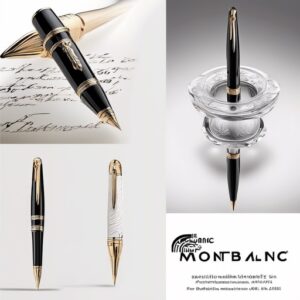

The Laws Involved in Manufacturing Montblanc Pens: A Detailed Overview

Montblanc fountain pen laws

Montblanc pens have long been synonymous with luxury, craftsmanship, and prestige. The company, founded in 1906 in Germany, produces a wide range of writing instruments that are celebrated for their elegance, quality, and precision. However, the process of manufacturing these pens is governed by a complex web of laws and regulations that ensure compliance with international standards, protect intellectual property, guarantee consumer safety, and preserve the brand’s reputation.

In this article, we will explore the various laws and legal frameworks involved in the manufacturing of Montblanc pens. These laws cover intellectual property protection, labor and environmental regulations, consumer safety standards, and international trade laws. Understanding these regulations is crucial for companies like Montblanc to operate smoothly in a highly regulated global marketplace.

Introduction to Montblanc Pens

Montblanc is one of the most iconic names in the luxury goods industry, with its pens being used by statesmen, dignitaries, and business leaders for decades. The brand’s emblem, a stylized white star, has become a symbol of excellence in craftsmanship and writing instruments. Montblanc pens are often regarded as collector’s items and are prized for their high-quality materials, meticulous attention to detail, and flawless performance.

However, creating a luxury product like Montblanc’s pens goes far beyond the artistry involved. The brand must adhere to a range of legal standards to ensure that its manufacturing processes comply with local, national, and international regulations. These laws touch on intellectual property rights, labor conditions, product safety, environmental impact, and even the import and export of goods.

Intellectual Property Laws

One of the most significant legal concerns for any luxury goods manufacturer is the protection of intellectual property (IP). Montblanc, like other high-end brands, invests heavily in the design and development of its products. As such, protecting these designs from counterfeiting and infringement is a top priority.

Patent Law

Montblanc pens often incorporate unique technologies and designs that are protected by patents. Patents are legal instruments that give the company exclusive rights to produce and sell inventions for a set period, usually 20 years. By obtaining patents for certain features—such as the pen’s nib design, ink flow mechanism, or other innovations—Montblanc ensures that its intellectual property is protected against unauthorized use by competitors.

For example, Montblanc has patented several innovative technologies related to the writing experience, such as the high-precision ink feed systems and ergonomic designs. Patent law provides Montblanc with the legal recourse to sue companies or individuals that attempt to reproduce these innovations without permission.

Trademark Law

Trademarks are another critical aspect of Montblanc’s legal protections. The brand’s distinctive logo—a white star representing the snow-covered peak of Mont Blanc—is a registered trademark. This logo, along with the brand’s name, is protected by trademark law, preventing unauthorized use by counterfeiters or competitors.

Trademark law ensures that consumers can identify the origin of a product, which is essential for a luxury brand like Montblanc that relies on its reputation for quality. Any misuse of the brand’s name or logo could harm its image, and trademark law provides a legal framework for pursuing those who engage in such violations.

Copyright Law

Montblanc’s pens often feature limited edition designs inspired by famous historical figures, artistic movements, or literary works. These designs are protected by copyright law, which safeguards original works of art, literature, and design. Copyright law ensures that these unique designs cannot be replicated or sold without authorization, preserving the originality of Montblanc’s special edition pens.

Labor Laws and Ethical Manufacturing

The manufacturing of Montblanc pens involves a highly skilled workforce, especially in the production of the pen’s nib, which is often made of gold or platinum and hand-finished. As a global brand, Montblanc must comply with labor laws in every jurisdiction where it operates. These laws ensure that the company adheres to fair labor practices, including wages, working hours, and conditions.

International Labor Standards

Montblanc, like many global companies, must ensure compliance with the International Labour Organization (ILO) standards. These standards include prohibitions on child labor, forced labor, and discrimination in the workplace. Adhering to these principles not only ensures legal compliance but also maintains Montblanc’s image as a socially responsible brand.

Occupational Health and Safety

Safety regulations are another aspect of labor law that Montblanc must comply with. In manufacturing facilities, where precision machining, polishing, and assembly take place, workers must be provided with a safe working environment. This includes adhering to workplace safety standards that prevent accidents and injuries.

Montblanc’s factories must also meet legal requirements related to employee benefits, such as healthcare, paid leave, and pensions, ensuring that their employees are treated fairly and ethically.

Environmental Laws

In recent years, there has been growing awareness of the environmental impact of manufacturing processes, and Montblanc is no exception. The company must comply with stringent environmental regulations to minimize its carbon footprint and reduce waste.

Sustainability and Materials

The materials used in Montblanc pens, such as precious metals, resins, and celluloid, are subject to environmental regulations. Montblanc must ensure that its sourcing of raw materials does not contribute to environmental degradation or human rights abuses. For instance, the sourcing of gold and other precious metals used in its pens is regulated under laws designed to prevent the use of conflict minerals.

Additionally, Montblanc must comply with European Union (EU) regulations such as REACH (Registration, Evaluation, Authorisation, and Restriction of Chemicals), which governs the use of chemicals in manufacturing. This regulation ensures that hazardous substances are identified and limited in their use to protect both human health and the environment.

Waste Management and Recycling

Manufacturing processes often generate waste, and Montblanc is required to manage this waste responsibly. Waste management laws require the company to reduce its waste output, properly dispose of hazardous materials, and promote recycling where possible.

Montblanc’s adherence to environmental regulations not only protects the environment but also aligns with the growing consumer demand for sustainable and eco-friendly products. By implementing green practices, Montblanc can both comply with the law and enhance its brand image.

Consumer Safety Laws

The safety of consumers is a top priority for any product manufacturer, and luxury goods are no exception. Montblanc pens are subject to strict consumer safety laws that ensure they are safe to use and meet certain quality standards.

Product Safety Standards

In the European Union, Montblanc must comply with the General Product Safety Directive, which ensures that all products placed on the market are safe. In the United States, the Consumer Product Safety Commission (CPSC) regulates product safety, and Montblanc must ensure that its pens meet the required safety standards before they can be sold.

This includes ensuring that the materials used in the pens are non-toxic, that the mechanical components function properly, and that there are no sharp edges or other hazards that could pose a risk to consumers.

Quality Control and Testing

To comply with safety laws, Montblanc implements rigorous quality control and testing procedures. Each pen undergoes meticulous inspection to ensure it meets the company’s high standards and complies with legal requirements. Any defects or safety concerns are addressed before the product reaches the market.

International Trade Laws

Montblanc is a global brand, and its products are sold in countries around the world. As such, the company must navigate the complexities of international trade law, including tariffs, import/export regulations, and trade agreements.

Import and Export Regulations

Montblanc pens are often made using materials sourced from different countries, and the final product is shipped internationally. This requires the company to comply with import/export regulations in each country. Customs duties, taxes, and import restrictions can affect how Montblanc moves its products across borders.

For instance, Montblanc must ensure that it correctly classifies its products for customs purposes, determines the appropriate duties, and adheres to any import quotas or restrictions. Failure to comply with these regulations could result in costly fines or delays in the shipment of goods.

Trade Agreements

Montblanc benefits from trade agreements between countries that reduce tariffs and streamline the import/export process. For example, the EU’s trade agreements with countries around the world help reduce costs and simplify the logistics of exporting Montblanc pens to international markets.

Conclusion

The manufacturing of Montblanc pens is not only a testament to exceptional craftsmanship but also a process governed by a comprehensive set of laws and regulations. From intellectual property protection to labor laws, environmental regulations, and international trade laws, Montblanc must navigate a complex legal landscape to maintain its position as a leader in the luxury pen industry.

By adhering to these laws, Montblanc ensures that its products are safe, ethical, and of the highest quality, while also protecting its brand and reputation. The company’s commitment to legal compliance reflects its dedication to excellence, both in its products and its business practices. As consumers continue to demand transparency, sustainability, and social responsibility from the brands they support, Montblanc’s adherence to legal and ethical standards will remain a key part of its enduring success.

Essential Business Laws Ready Mix Suppliers Should Be Aware Of

concrete suppliers near me

Running a Ready Mix concrete supply business involves more than just mixing and delivering concrete. Like any business, Ready Mix suppliers must navigate a complex web of legal requirements. Compliance with these laws helps ensure smooth operations, protects the company from liabilities, and maintains a strong reputation in the industry.

Understanding business laws specific to the Ready Mix industry is crucial. From environmental regulations to labor laws, safety protocols, and contractual obligations, each area of law can significantly impact your company’s operations. In this comprehensive article, we will explore the essential business laws that Ready Mix suppliers should be aware of and how compliance can safeguard your business from potential risks.

Environmental Laws

Clean Water Act (CWA)

The concrete industry can significantly impact the environment, especially regarding water pollution. The Clean Water Act (CWA) regulates the discharge of pollutants into the waters of the United States. Ready Mix suppliers must ensure that their operations, including concrete washout and stormwater management, comply with CWA standards.

Violations of the CWA can result in hefty fines and penalties, and in some cases, criminal charges. Ready Mix suppliers should implement proper containment systems for concrete washout and ensure that stormwater runoff does not carry pollutants into nearby water sources.

Clean Air Act (CAA)

Concrete production and transportation emit particulate matter and other pollutants, which are regulated under the Clean Air Act (CAA). Ready Mix suppliers must ensure that their production facilities and vehicles comply with emissions standards to avoid violations.

Using modern, fuel-efficient vehicles and adhering to dust control measures are practical ways to remain compliant. Non-compliance with the CAA can lead to fines, operational shutdowns, and damage to a company’s reputation.

Resource Conservation and Recovery Act (RCRA)

The Resource Conservation and Recovery Act (RCRA) governs the disposal of solid and hazardous waste. Ready Mix suppliers often deal with leftover concrete, chemical additives, and fuel that need to be disposed of properly. Failing to follow RCRA requirements can result in environmental hazards and legal consequences.

Occupational Safety and Health Laws

Occupational Safety and Health Act (OSHA)

Safety is a critical concern in the Ready Mix concrete industry. The Occupational Safety and Health Administration (OSHA) sets and enforces standards to ensure workplace safety. Ready Mix suppliers must comply with OSHA regulations to minimize workplace injuries and fatalities.

Concrete mixing plants and delivery sites are high-risk areas, and employers must provide proper safety training, protective gear, and hazard communication. Regular safety audits, accident reporting, and adherence to OSHA standards are crucial for compliance.

Non-compliance can lead to fines, shutdowns, and even criminal liability if negligence leads to serious accidents or injuries.

Hazard Communication Standard (HCS)

Concrete and the chemicals used in the process, such as cement additives, can be hazardous. OSHA’s Hazard Communication Standard (HCS) mandates that Ready Mix suppliers communicate information about hazardous chemicals through labels, safety data sheets, and employee training programs.

Failure to comply with HCS can result in workplace accidents, legal liabilities, and substantial fines.

Labor Laws

Fair Labor Standards Act (FLSA)

The Fair Labor Standards Act (FLSA) regulates minimum wage, overtime pay, and child labor standards. Ready Mix suppliers, like all businesses, must comply with FLSA provisions, ensuring that employees are fairly compensated for their work, especially during long hours of concrete mixing and delivery.

Violations of the FLSA can result in wage-and-hour lawsuits, back pay requirements, and penalties. Proper timekeeping systems, regular payroll audits, and adherence to overtime laws are critical for compliance.

National Labor Relations Act (NLRA)

Ready Mix suppliers must also be aware of the National Labor Relations Act (NLRA), which protects employees’ rights to organize and bargain collectively. Labor unions are common in the construction industry, and Ready Mix suppliers must understand their obligations when employees seek to unionize.

Employers who violate the NLRA by retaliating against employees for organizing or bargaining in bad faith can face legal challenges, including strikes and lawsuits.

Family and Medical Leave Act (FMLA)

The Family and Medical Leave Act (FMLA) requires businesses with 50 or more employees to provide eligible workers with up to 12 weeks of unpaid, job-protected leave for certain family and medical reasons. Ready Mix suppliers must ensure that they adhere to FMLA regulations to avoid lawsuits and employee dissatisfaction.

Contractual and Liability Laws

Uniform Commercial Code (UCC)

The Uniform Commercial Code (UCC) governs sales contracts and business transactions, including those involving Ready Mix concrete. Suppliers must draft clear, enforceable contracts that outline the terms of sale, delivery, warranties, and remedies in case of a breach.

A well-drafted contract protects Ready Mix suppliers from disputes with contractors and clients over issues like delayed deliveries, product quality, and payment terms. Failure to uphold contractual obligations can result in breach of contract lawsuits, damaging business relationships and finances.

Product Liability Laws

Concrete suppliers can be held liable for damages if the concrete they provide is defective or fails to meet the necessary strength requirements, resulting in structural failure. Ready Mix suppliers must ensure that their products meet industry standards and that quality control measures are in place.

Product liability claims can lead to costly lawsuits, settlements, and reputational damage. Implementing a robust quality assurance program and maintaining records of product testing can help protect against liability claims.

Indemnity Agreements

Indemnity agreements are commonly used in the construction industry to allocate liability between parties. Ready Mix suppliers should be familiar with indemnity clauses in contracts with contractors and clients to ensure they are not unfairly held responsible for accidents or damages caused by other parties.

Understanding the scope of indemnity provisions can prevent costly legal disputes and protect your business from unwarranted liabilities.

Transportation and Delivery Laws

Department of Transportation (DOT) Regulations

The Department of Transportation (DOT) oversees regulations related to the transport of Ready Mix concrete. Suppliers must comply with DOT standards for vehicle maintenance, driver qualifications, and hours of service to ensure safe and efficient deliveries.

Non-compliance with DOT regulations can result in fines, vehicle impoundment, and accidents, which can severely impact a Ready Mix supplier’s business operations.

Motor Carrier Safety Regulations

In addition to DOT regulations, Ready Mix suppliers must adhere to the Federal Motor Carrier Safety Administration (FMCSA) rules, which govern the operation of commercial vehicles. These regulations cover driver qualifications, drug and alcohol testing, and vehicle safety inspections.

Violations can lead to penalties, legal liabilities, and an increased risk of accidents, making compliance essential for suppliers relying on vehicle fleets for deliveries.

Zoning and Land Use Laws

Local Zoning Laws

Ready Mix suppliers must ensure that their plants and facilities comply with local zoning laws and land-use regulations. These laws govern where industrial activities like concrete production can take place and may include restrictions on noise, emissions, and truck traffic.

Non-compliance with zoning laws can result in fines, forced relocations, or even the closure of a facility. Working with local authorities and obtaining the necessary permits can help ensure compliance with zoning regulations.

Building Codes and Permits

Concrete mixing plants must meet local building codes and safety standards. Suppliers may need permits for new construction, renovations, or facility expansions. Compliance with building codes ensures that plants are safe for employees and the surrounding community.

Failure to obtain the proper permits or meet building code requirements can lead to fines, delays, and legal challenges.

Conclusion

Operating a Ready Mix supply business requires more than just expertise in concrete production and delivery. The legal landscape for Ready Mix suppliers near me is vast, covering environmental regulations, workplace safety, labor laws, transportation, contracts, and local zoning. Understanding and complying with these business laws is crucial for avoiding costly fines, legal disputes, and reputational damage.

Ready Mix suppliers who prioritize legal compliance not only protect their businesses but also contribute to a safer, more sustainable industry. By staying informed of the latest legal requirements and seeking expert legal counsel when needed, suppliers can ensure that their operations run smoothly and efficiently, paving the way for long-term success in the competitive construction industry.