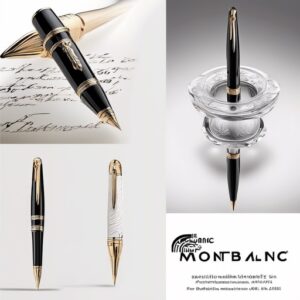
Montblanc pens have long been synonymous with luxury, craftsmanship, and prestige. The company, founded in 1906 in Germany, produces a wide range of writing instruments that are celebrated for their elegance, quality, and precision. However, the process of manufacturing these pens is governed by a complex web of laws and regulations that ensure compliance with international standards, protect intellectual property, guarantee consumer safety, and preserve the brand’s reputation.
In this article, we will explore the various laws and legal frameworks involved in the manufacturing of Montblanc pens. These laws cover intellectual property protection, labor and environmental regulations, consumer safety standards, and international trade laws. Understanding these regulations is crucial for companies like Montblanc to operate smoothly in a highly regulated global marketplace.
Introduction to Montblanc Pens
Montblanc is one of the most iconic names in the luxury goods industry, with its pens being used by statesmen, dignitaries, and business leaders for decades. The brand’s emblem, a stylized white star, has become a symbol of excellence in craftsmanship and writing instruments. Montblanc pens are often regarded as collector’s items and are prized for their high-quality materials, meticulous attention to detail, and flawless performance.
However, creating a luxury product like Montblanc’s pens goes far beyond the artistry involved. The brand must adhere to a range of legal standards to ensure that its manufacturing processes comply with local, national, and international regulations. These laws touch on intellectual property rights, labor conditions, product safety, environmental impact, and even the import and export of goods.
Intellectual Property Laws
One of the most significant legal concerns for any luxury goods manufacturer is the protection of intellectual property (IP). Montblanc, like other high-end brands, invests heavily in the design and development of its products. As such, protecting these designs from counterfeiting and infringement is a top priority.
Patent Law
Montblanc pens often incorporate unique technologies and designs that are protected by patents. Patents are legal instruments that give the company exclusive rights to produce and sell inventions for a set period, usually 20 years. By obtaining patents for certain features—such as the pen’s nib design, ink flow mechanism, or other innovations—Montblanc ensures that its intellectual property is protected against unauthorized use by competitors.
For example, Montblanc has patented several innovative technologies related to the writing experience, such as the high-precision ink feed systems and ergonomic designs. Patent law provides Montblanc with the legal recourse to sue companies or individuals that attempt to reproduce these innovations without permission.
Trademark Law
Trademarks are another critical aspect of Montblanc’s legal protections. The brand’s distinctive logo—a white star representing the snow-covered peak of Mont Blanc—is a registered trademark. This logo, along with the brand’s name, is protected by trademark law, preventing unauthorized use by counterfeiters or competitors.
Trademark law ensures that consumers can identify the origin of a product, which is essential for a luxury brand like Montblanc that relies on its reputation for quality. Any misuse of the brand’s name or logo could harm its image, and trademark law provides a legal framework for pursuing those who engage in such violations.
Copyright Law
Montblanc’s pens often feature limited edition designs inspired by famous historical figures, artistic movements, or literary works. These designs are protected by copyright law, which safeguards original works of art, literature, and design. Copyright law ensures that these unique designs cannot be replicated or sold without authorization, preserving the originality of Montblanc’s special edition pens.
Labor Laws and Ethical Manufacturing
The manufacturing of Montblanc pens involves a highly skilled workforce, especially in the production of the pen’s nib, which is often made of gold or platinum and hand-finished. As a global brand, Montblanc must comply with labor laws in every jurisdiction where it operates. These laws ensure that the company adheres to fair labor practices, including wages, working hours, and conditions.
International Labor Standards
Montblanc, like many global companies, must ensure compliance with the International Labour Organization (ILO) standards. These standards include prohibitions on child labor, forced labor, and discrimination in the workplace. Adhering to these principles not only ensures legal compliance but also maintains Montblanc’s image as a socially responsible brand.
Occupational Health and Safety
Safety regulations are another aspect of labor law that Montblanc must comply with. In manufacturing facilities, where precision machining, polishing, and assembly take place, workers must be provided with a safe working environment. This includes adhering to workplace safety standards that prevent accidents and injuries.
Montblanc’s factories must also meet legal requirements related to employee benefits, such as healthcare, paid leave, and pensions, ensuring that their employees are treated fairly and ethically.
Environmental Laws
In recent years, there has been growing awareness of the environmental impact of manufacturing processes, and Montblanc is no exception. The company must comply with stringent environmental regulations to minimize its carbon footprint and reduce waste.
Sustainability and Materials
The materials used in Montblanc pens, such as precious metals, resins, and celluloid, are subject to environmental regulations. Montblanc must ensure that its sourcing of raw materials does not contribute to environmental degradation or human rights abuses. For instance, the sourcing of gold and other precious metals used in its pens is regulated under laws designed to prevent the use of conflict minerals.
Additionally, Montblanc must comply with European Union (EU) regulations such as REACH (Registration, Evaluation, Authorisation, and Restriction of Chemicals), which governs the use of chemicals in manufacturing. This regulation ensures that hazardous substances are identified and limited in their use to protect both human health and the environment.
Waste Management and Recycling
Manufacturing processes often generate waste, and Montblanc is required to manage this waste responsibly. Waste management laws require the company to reduce its waste output, properly dispose of hazardous materials, and promote recycling where possible.
Montblanc’s adherence to environmental regulations not only protects the environment but also aligns with the growing consumer demand for sustainable and eco-friendly products. By implementing green practices, Montblanc can both comply with the law and enhance its brand image.
Consumer Safety Laws
The safety of consumers is a top priority for any product manufacturer, and luxury goods are no exception. Montblanc pens are subject to strict consumer safety laws that ensure they are safe to use and meet certain quality standards.
Product Safety Standards
In the European Union, Montblanc must comply with the General Product Safety Directive, which ensures that all products placed on the market are safe. In the United States, the Consumer Product Safety Commission (CPSC) regulates product safety, and Montblanc must ensure that its pens meet the required safety standards before they can be sold.
This includes ensuring that the materials used in the pens are non-toxic, that the mechanical components function properly, and that there are no sharp edges or other hazards that could pose a risk to consumers.
Quality Control and Testing
To comply with safety laws, Montblanc implements rigorous quality control and testing procedures. Each pen undergoes meticulous inspection to ensure it meets the company’s high standards and complies with legal requirements. Any defects or safety concerns are addressed before the product reaches the market.
International Trade Laws
Montblanc is a global brand, and its products are sold in countries around the world. As such, the company must navigate the complexities of international trade law, including tariffs, import/export regulations, and trade agreements.
Import and Export Regulations
Montblanc pens are often made using materials sourced from different countries, and the final product is shipped internationally. This requires the company to comply with import/export regulations in each country. Customs duties, taxes, and import restrictions can affect how Montblanc moves its products across borders.
For instance, Montblanc must ensure that it correctly classifies its products for customs purposes, determines the appropriate duties, and adheres to any import quotas or restrictions. Failure to comply with these regulations could result in costly fines or delays in the shipment of goods.
Trade Agreements
Montblanc benefits from trade agreements between countries that reduce tariffs and streamline the import/export process. For example, the EU’s trade agreements with countries around the world help reduce costs and simplify the logistics of exporting Montblanc pens to international markets.
Conclusion
The manufacturing of Montblanc pens is not only a testament to exceptional craftsmanship but also a process governed by a comprehensive set of laws and regulations. From intellectual property protection to labor laws, environmental regulations, and international trade laws, Montblanc must navigate a complex legal landscape to maintain its position as a leader in the luxury pen industry.
By adhering to these laws, Montblanc ensures that its products are safe, ethical, and of the highest quality, while also protecting its brand and reputation. The company’s commitment to legal compliance reflects its dedication to excellence, both in its products and its business practices. As consumers continue to demand transparency, sustainability, and social responsibility from the brands they support, Montblanc’s adherence to legal and ethical standards will remain a key part of its enduring success.