

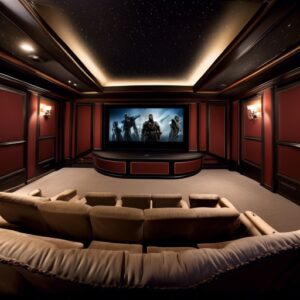
The home theater industry has experienced significant growth in recent years as more people invest in high-quality audio-visual systems for home entertainment. From large screen TVs, projectors, and sound systems to custom installations, the demand for home theater products and services continues to rise. As with any retail industry, home theater stores must adhere to various laws and regulations to ensure their business operations are legal and compliant. These laws not only protect consumers but also promote fairness, safety, and integrity in business practices.
For home theater stores, understanding and complying with these regulations is essential for avoiding legal pitfalls and maintaining a reputable standing in the marketplace. In this blog post, we’ll delve into the primary laws and regulations that home theater stores must adhere to, covering key areas such as product safety standards, consumer protection, environmental regulations, intellectual property, and labor laws. We’ll also explore the significance of compliance and the potential consequences of failing to meet legal requirements.
Product Safety Standards
One of the primary legal responsibilities of home theater stores is ensuring that the products they sell meet all relevant safety standards. Electronics, including home theater systems, pose potential risks such as electrical hazards, overheating, and radiation emissions. Therefore, several regulatory bodies have put in place product safety standards that retailers must follow.
Consumer Product Safety Commission (CPSC)
The CPSC is a federal agency responsible for protecting the public from unreasonable risks associated with consumer products. For home theater stores, this means that all audio-visual equipment sold must comply with the safety standards set by the CPSC. Products must be free from defects that could harm users, and stores must ensure they sell certified products that meet these safety criteria.
Underwriters Laboratories (UL) Certification
Many electronic products, including those sold in home theater stores, are tested and certified by Underwriters Laboratories (UL). UL certification ensures that products meet rigorous safety standards, particularly for electrical devices. While not always legally required, selling UL-certified products can enhance customer confidence and minimize the risk of liability.
FCC Regulations
Home theater equipment that emits radio frequencies or other forms of electromagnetic radiation must comply with the Federal Communications Commission (FCC) regulations. This includes items such as televisions, sound systems, and wireless devices. Retailers must ensure that these products have been tested and certified by the FCC to avoid interference with communication networks and to protect consumers from harmful radiation.
Consumer Protection Laws
Home theater stores must also adhere to a range of consumer protection laws that ensure fairness in marketing, sales, and customer service. These laws are designed to protect consumers from deceptive practices and guarantee their rights when making purchases.
Truth in Advertising
The Federal Trade Commission (FTC) regulates advertising in the United States, ensuring that businesses do not engage in false or misleading advertising. Home theater stores must be transparent about the features, performance, and pricing of the products they sell. Claims about the quality of home theater systems, warranties, and discounts must be accurate and verifiable to avoid violating truth-in-advertising laws.
Fair Pricing Practices
In many states, home theater stores are required to follow fair pricing laws. These laws prohibit deceptive pricing practices, such as inflating prices before offering discounts, advertising false markdowns, or failing to disclose hidden fees. To stay compliant, home theater stores must provide clear and honest pricing information to their customers, including taxes and additional charges.
Warranties and Returns
Home theater stores must provide customers with information about warranties and return policies in accordance with consumer protection laws. The Magnuson-Moss Warranty Act governs written warranties, ensuring that consumers have access to clear and detailed information regarding warranty coverage. In addition, stores must comply with state-specific return and refund policies, allowing customers to return defective or misrepresented products within a reasonable period.
Environmental Regulations
As electronics retailers, home theater stores must adhere to environmental regulations that govern the sale, disposal, and recycling of electronic products. With increasing concerns over e-waste, many states and municipalities have implemented strict guidelines for the disposal of electronics, and retailers must play a role in ensuring that products are disposed of responsibly.
Electronic Waste Disposal
Many states have passed e-waste laws that require retailers to facilitate the safe disposal or recycling of electronic devices, including TVs, speakers, and other components of home theater systems. Stores may be required to offer take-back programs or provide information to consumers about local e-waste recycling facilities. Compliance with e-waste regulations helps reduce the environmental impact of electronics and promotes sustainability.
Energy Efficiency Standards
Home theater stores must also comply with energy efficiency regulations, such as those set by the Environmental Protection Agency (EPA) through the ENERGY STAR program. Products bearing the ENERGY STAR label meet specific energy efficiency criteria, which can reduce energy consumption and utility costs for consumers. Selling energy-efficient products not only complies with regulatory requirements but also appeals to environmentally conscious customers.
Intellectual Property Laws
Home theater stores deal with a wide range of products that involve copyrighted content, trademarks, and patented technologies. To avoid legal disputes, retailers must respect intellectual property (IP) rights and ensure that the products they sell do not infringe on the IP rights of others.
Copyright Infringement
Many home theater systems, especially those involving media players and streaming devices, are subject to copyright law. Retailers must avoid selling pirated or counterfeit products that contain copyrighted content, such as movies, music, or software. Selling unauthorized copies of copyrighted material can lead to severe legal penalties, including fines and lawsuits.
Trademark Violations
Home theater stores must ensure that the products they sell do not violate trademark laws. This includes avoiding counterfeit items that falsely claim to be from a well-known brand. Trademark infringement can damage a store’s reputation and lead to costly legal battles with trademark holders.
Patent Infringement
Some home theater products incorporate patented technologies, such as innovative speaker designs or unique digital processing features. Retailers must verify that the products they sell are properly licensed and do not infringe on existing patents. Selling products that use patented technology without proper authorization can result in patent infringement claims, leading to financial and legal consequences.
Labor and Employment Laws
Home theater stores, like all businesses, must adhere to labor laws that govern how they treat employees. Compliance with labor laws is critical to maintaining a positive work environment and avoiding legal disputes related to employee rights.
Wage and Hour Laws
The Fair Labor Standards Act (FLSA) sets minimum wage and overtime requirements for employees. Home theater stores must ensure that all employees are paid at least the federal or state minimum wage and that they receive overtime pay for hours worked beyond 40 in a week. Additionally, retailers must comply with state-specific wage laws, which may set higher minimum wage rates or additional labor protections.
Occupational Health and Safety
Under the Occupational Safety and Health Administration (OSHA), employers must provide a safe and healthy work environment for their employees. For home theater stores, this includes ensuring that employees are trained on the proper handling of electronic equipment and hazardous materials. Retailers must also take steps to prevent workplace accidents, such as electrical hazards or injuries from heavy lifting.
Anti-Discrimination and Equal Employment
Home theater stores must adhere to anti-discrimination laws, such as Title VII of the Civil Rights Act, which prohibits discrimination based on race, color, religion, sex, or national origin. Retailers must also comply with the Americans with Disabilities Act (ADA), which requires reasonable accommodations for employees with disabilities. Ensuring a diverse and inclusive workplace helps stores avoid costly legal disputes and promotes a positive company culture.
Conclusion
Operating home theater stores near me involves more than just selling audio-visual equipment and providing installation services. It requires strict adherence to a wide range of laws and regulations that govern product safety, consumer protection, environmental responsibility, intellectual property, and labor practices. Compliance with these laws is essential for protecting both the business and its customers, as failure to do so can lead to significant legal consequences, including fines, lawsuits, and damage to the store’s reputation.
By understanding and following the legal requirements discussed in this post, home theater stores can operate confidently within the law, provide a safe and enjoyable shopping experience for customers, and foster a positive work environment for employees. Maintaining compliance not only ensures the long-term success of the business but also enhances consumer trust in the products and services offered.