

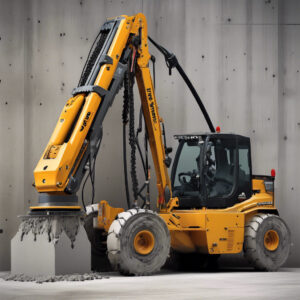
Concrete drilling is a critical component of construction and infrastructure projects, involving tasks such as coring, sawing, and anchoring. While these operations are essential, they also pose significant risks to workers and the environment. To mitigate these risks, concrete drilling companies must adhere to a complex web of federal, state, and local regulations. This article provides an in-depth exploration of the legal requirements governing concrete drilling operations, ensuring that companies remain compliant and uphold the highest safety standards.
Occupational Safety and Health Administration (OSHA) Standards
OSHA plays a pivotal role in setting and enforcing safety standards for the construction industry, including concrete drilling operations. Key OSHA regulations include:
-
General Requirements (29 CFR § 1926.701): This standard mandates that no construction loads be placed on concrete structures unless a qualified person confirms the structure’s capacity. It also requires guarding protruding reinforcing steel to prevent impalement hazards. Source
-
Equipment and Tools (29 CFR § 1926.702): This regulation outlines requirements for equipment used in concrete and masonry construction, such as ensuring concrete mixers have mechanical devices to clear skips and guardrails on each side. It also mandates that powered troweling machines have automatic shut-off controls. Source
Silica Exposure Control
Crystalline silica, a common component of concrete, poses severe health risks when inhaled. OSHA’s Respirable Crystalline Silica Standard requires:
-
Permissible Exposure Limit (PEL): Employers must ensure that workers are not exposed to silica levels exceeding 50 micrograms per cubic meter of air over an 8-hour shift.
-
Exposure Control Methods: Employers can either measure workers’ exposure or implement specified control methods outlined in Table 1 of the standard.
-
Written Exposure Control Plan: A detailed plan outlining tasks involving silica exposure and the methods used to protect workers.
-
Medical Surveillance: Employers must offer medical exams to workers who are required to wear a respirator for 30 or more days per year.
-
Training and Recordkeeping: Workers must be trained on silica risks and the measures in place to protect them. Employers must also maintain records of exposure measurements and medical exams.
California
California’s Division of Occupational Safety and Health (Cal/OSHA) enforces additional regulations:
-
Control of Employee Exposures (Title 8, Section 1530.1): This regulation mandates the use of dust reduction systems, such as water or local exhaust ventilation, during operations that cut, grind, core, or drill concrete or masonry materials. Employers must also provide training on the health hazards of silica exposure and the proper use of control measures. Source
-
Rock Drilling Operations (Title 8, Section 1538): This standard requires dust control measures during rock drilling, such as using water or chemical solutions. It also mandates securing air hoses to prevent whipping and providing fall protection for workers on steep slopes. Source
Florida
While Florida follows federal OSHA standards, companies must also comply with state-specific environmental regulations:
-
Florida Department of Environmental Protection (FDEP): The FDEP oversees environmental regulations, including those related to air and water quality. Concrete drilling companies must ensure that their operations do not violate state environmental laws, such as those governing stormwater discharge and hazardous waste management.
Concrete Sawing and Drilling Association (CSDA)
The CSDA, in collaboration with OSHA, has developed best practices to enhance safety in concrete drilling operations:
-
Reducing Silica Exposure: The CSDA provides guidelines on minimizing silica exposure, including using wet cutting methods and local exhaust ventilation. Source
-
Highway Workzone Safety: The association offers checklists and safety protocols for operations near highways, emphasizing the importance of traffic control measures and worker visibility.
Engineering Controls
Implementing engineering controls is vital for reducing health risks:
-
Dust Collection Systems: These systems capture dust at the source, preventing it from becoming airborne. They are essential for compliance with silica exposure regulations.
-
Water Suppression: Applying water to the cutting or drilling area reduces dust generation.
-
Local Exhaust Ventilation (LEV): LEV systems remove contaminated air from the work area, protecting workers from inhaling hazardous substances.
Conclusion
Compliance with legal and safety standards is non-negotiable for concrete drilling companies. Adhering to OSHA regulations, state-specific laws, and industry best practices not only ensures legal compliance but also protects workers’ health and the environment. By staying informed and proactive, companies can foster a culture of safety and responsibility, laying the foundation for sustainable and successful operations.