

Safety Meets Compliance in Modern Material Handling
Operating a hydraulic box dumper may seem like just another piece of machinery in the industrial or manufacturing workflow—but beneath its steel frame lies a world of safety regulations, OSHA requirements, and state and federal laws designed to protect workers, businesses, and the public.
Whether you’re a warehouse manager, plant supervisor, or business owner, understanding the laws that govern hydraulic dumpers is essential. Failing to comply with these laws can result in fines, lawsuits, workplace injuries, and costly downtime.
In this article, we’ll break down the regulatory landscape that governs the operation of hydraulic box dumpers, including OSHA standards, equipment certification, environmental considerations, and employee training. By the end, you’ll not only understand what’s legally required—but also how compliance can become a competitive advantage in your operations. 🚀
Section 1: What is a Hydraulic Box Dumper?
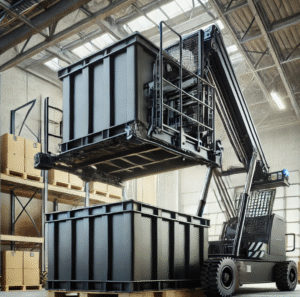
A hydraulic box dumper, also known as a tote dumper or container dumper, is a mechanical device designed to safely and efficiently tip containers of bulk material. Commonly used in agriculture, food processing, recycling, and manufacturing, these machines lift and tilt boxes, bins, or carts using hydraulic cylinders to dump contents into another container or processing line.
Their benefits include:
-
Increased productivity 📦
-
Reduced manual labor injuries 💪
-
Consistent material flow and handling efficiency 🏭
However, due to their power and function, hydraulic dumpers also pose significant safety risks—making them subject to various operational laws and regulations.
Section 2: OSHA Regulations for Hydraulic Box Dumpers
The Occupational Safety and Health Administration (OSHA) is the leading authority on workplace safety in the U.S. While OSHA does not have a regulation specifically titled for hydraulic box dumpers, several OSHA standards directly apply. ✅
Machine Guarding – 29 CFR 1910.212
This is one of the most crucial standards. OSHA requires all machinery to be properly guarded to prevent accidental contact with moving parts.
➡️ Read OSHA Machine Guarding Standard
Hydraulic dumpers must be:
-
Fitted with barrier guards or enclosures to prevent access to pinch points
-
Equipped with interlocked gates that stop operation when opened
-
Operated using two-hand controls or remote panels to keep hands away from moving parts
Lockout/Tagout (LOTO) – 29 CFR 1910.147
Hydraulic systems store energy. OSHA mandates that equipment be de-energized and locked out during maintenance.
Operators and maintenance crews must be trained and authorized to:
-
Identify energy sources
-
Apply lockout/tagout procedures
-
Test equipment for zero energy state before servicing
Operator Safety Training – 29 CFR 1910.178 (if using lift trucks)
Although this standard is for powered industrial trucks, OSHA also mandates training for any powered equipment, including hydraulic dumpers.
Training must include:
-
Operating procedures
-
Emergency stop functions
-
Recognizing and avoiding hazards
-
Hands-on evaluation
Failure to provide documented training could result in citations and penalties. 🚨
Section 3: ANSI & ASME Equipment Standards
Outside of OSHA, voluntary standards by the American National Standards Institute (ANSI) and the American Society of Mechanical Engineers (ASME) often become enforced by reference in court or by insurance companies.
ANSI MH30.1 – Industrial Scissor Lifts and Dumpers
This standard outlines design, construction, and maintenance criteria for dumpers.
Key requirements:
-
Structural integrity calculations for hydraulic systems
-
Load testing
-
Emergency stop locations
-
Visibility of operational indicators and labels
ASME B30.20 – Below-the-Hook Lifting Devices
If your dumper includes lifting or tilting functions with attachments, this standard may apply. It covers:
-
Safe lifting practices
-
Load verification
-
Inspection and maintenance schedules
By following ANSI and ASME guidelines, you not only stay compliant but also reduce liability in the event of an accident.
➡️ Explore ANSI Safety Standards
Section 4: State-Level Regulations and Licensing
While OSHA sets the federal baseline, states can have their own regulations—especially in California, Washington, Oregon, and other states with OSHA-approved plans.
Examples include:
-
California’s Cal/OSHA Title 8, which includes stricter machine guarding standards.
-
Local licensing for industrial equipment operation.
-
City-specific safety codes for factories, food plants, or construction sites.
Always check with your State Department of Labor or Division of Occupational Safety and Health to ensure you’re following applicable local laws.
Section 5: Environmental Compliance
If your box dumper is used in waste handling, agriculture, or food production, you may also be governed by EPA regulations.
Spill Prevention and Control
Dumping liquid waste or materials that could contaminate water sources falls under the Clean Water Act. Improper use of hydraulic equipment can cause:
-
Hydraulic fluid leaks
-
Contamination of soil or stormwater
-
Improper disposal of dumped material
➡️ Learn about EPA Waste Regulations
To stay compliant:
-
Use spill pans or secondary containment systems
-
Inspect hydraulic lines regularly
-
Train employees on spill response plans
Section 6: Legal Liabilities and Insurance Requirements
Let’s not forget the legal and financial side.
If an accident occurs involving a hydraulic dumper and you’re found non-compliant with any regulation, you could face:
-
OSHA fines (up to $16,131 per violation, or more for willful neglect)
-
Workers’ compensation claims
-
Lawsuits from injured parties
-
Business interruption losses
Insurance carriers may also deny claims if equipment is:
-
Modified outside manufacturer specs
-
Operated without training
-
Not routinely inspected or maintained
Keeping detailed maintenance logs, training records, and safety inspection forms is not just smart—it’s legal protection.
Section 7: Best Practices to Ensure Compliance
Here’s how to proactively meet all regulatory requirements:
✅ Conduct a Job Hazard Analysis (JHA)
Evaluate how the dumper interacts with workers, forklifts, bins, and other equipment.
✅ Create Standard Operating Procedures (SOPs)
Detail exactly how dumpers should be operated, including startup, shutoff, emergency stops, and cleaning.
✅ Establish a Maintenance Plan
Routine checks of hydraulic lines, guards, limit switches, and cylinders can prevent failures and violations.
✅ Provide Ongoing Training and Refresher Courses
Don’t assume once is enough—laws evolve, and so do safety protocols.
✅ Label Clearly and Accurately
Use OSHA-compliant signs and labels to communicate hazards and procedures.
✅ Audit Your Equipment Regularly
Even if everything “seems fine,” regular safety audits can uncover hidden issues.
Conclusion: Compliance is Protection—For Everyone 🛡️
Operating a hydraulic box dumper without a full understanding of the laws, standards, and best practices is like operating a vehicle without a driver’s license—it’s a liability waiting to happen.
By staying up-to-date with OSHA regulations, adopting ANSI/ASME guidelines, and practicing strong internal protocols, you’re not just following the law—you’re creating a safer, smarter workplace.
The cost of compliance is far less than the cost of an accident. Protect your team, your equipment, and your company’s reputation by taking the legal side of operations seriously.