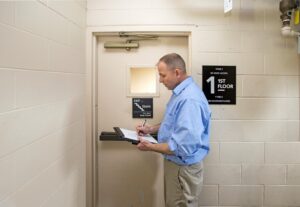
Understanding Labor Laws in Construction: What Every Contractor and Worker Should Know

labor contractors

The construction industry is one of the most regulated sectors in terms of labor laws, primarily due to the inherently dangerous nature of the work and the need to protect workers’ rights. From minimum wage requirements to safety standards and non-discrimination policies, various laws govern construction labor in the United States. These regulations ensure fair treatment of workers, safe working conditions, and compliance with federal, state, and local laws.

For both employers and employees, understanding the landscape of construction labor laws is crucial to avoid potential legal pitfalls and to ensure a safe and fair workplace. This article will provide an in-depth exploration of the key laws affecting construction labor, including the Fair Labor Standards Act (FLSA), the Occupational Safety and Health Act (OSHA), state-specific laws, and others that dictate the rules of engagement in this field.

The Fair Labor Standards Act (FLSA) and Its Impact on Construction Labor

The Fair Labor Standards Act (FLSA) is one of the most fundamental laws impacting construction labor. Enacted in 1938, the FLSA sets standards for minimum wage, overtime pay, recordkeeping, and child labor. The law applies to all employers in the construction industry who engage in interstate commerce or produce goods for commerce.

Minimum Wage Requirements: Under the FLSA, construction workers must receive at least the federal minimum wage, currently set at $7.25 per hour. However, many states and municipalities have enacted their minimum wage laws, which may be higher than the federal standard. Employers are required to pay the highest applicable minimum wage to their employees.

Overtime Pay: The FLSA mandates that construction workers who work more than 40 hours in a week must be compensated at a rate of one and a half times their regular rate of pay for the extra hours. Employers must accurately track and document all hours worked to ensure compliance with overtime pay requirements.

Recordkeeping: Employers in the construction industry are required to maintain accurate records of wages, hours worked, and other employment conditions. These records must be kept for a certain period (usually three years) and must be available for inspection by the Department of Labor (DOL).

Child Labor Regulations: The FLSA sets restrictions on the employment of minors in construction. Generally, minors under the age of 16 cannot be employed in construction work, while those aged 16-17 may be restricted from certain hazardous activities.

Occupational Safety and Health Act (OSHA) and Safety Standards

The Occupational Safety and Health Act (OSHA), enacted in 1970, is designed to ensure safe and healthy working conditions for all employees. In the construction industry, OSHA regulations are particularly significant due to the high-risk nature of the work.

Workplace Safety Standards: OSHA sets forth a comprehensive set of safety standards specific to the construction industry, covering everything from fall protection, scaffolding safety, electrical safety, and the proper use of personal protective equipment (PPE). Employers are required to provide a workplace free from recognized hazards and to comply with all applicable OSHA standards.

Training Requirements: OSHA mandates that construction employers provide adequate training to employees on the proper use of equipment, safety procedures, and hazard recognition. Employers must also ensure that workers understand OSHA standards and have access to necessary safety gear.

Reporting and Recordkeeping: Employers are required to report work-related fatalities, hospitalizations, amputations, or loss of an eye to OSHA. In addition, employers must maintain injury and illness records, which are crucial for identifying workplace hazards and preventing future incidents.

Inspections and Enforcement: OSHA conducts regular inspections of construction sites to ensure compliance with safety standards. Employers found in violation may face penalties ranging from fines to shutdowns, depending on the severity of the violation.

Davis-Bacon Act and Prevailing Wage Laws

The Davis-Bacon Act, enacted in 1931, requires contractors and subcontractors working on federally funded or assisted construction projects to pay their laborers and mechanics at least the prevailing wage rates and fringe benefits in the locality where the work is performed.

Determination of Prevailing Wage: The Department of Labor determines the prevailing wage rates for specific types of construction work in different geographic areas. These rates are typically based on collective bargaining agreements or surveys of wages paid in the area.

Enforcement of the Davis-Bacon Act: Employers must submit certified payroll records to demonstrate compliance with the Davis-Bacon Act. Non-compliance can result in contract termination, debarment from future federal contracts, and withholding of payments until compliance is achieved.

State Prevailing Wage Laws: Many states have their own prevailing wage laws, often referred to as “Little Davis-Bacon Acts.” These laws apply to state-funded or assisted construction projects and may have different requirements than the federal Davis-Bacon Act.

State-Specific Labor Laws and Regulations

Labor laws in construction can vary significantly from state to state. These differences may relate to wage and hour regulations, safety standards, and contractor licensing requirements.

Wage and Hour Laws: States such as California and New York have more stringent wage and hour laws than those at the federal level. For example, California requires daily overtime pay for work beyond eight hours in a day, while New York mandates overtime for work over 40 hours in a week.

Safety Regulations: Some states have their own occupational safety and health plans approved by OSHA, which may have additional requirements or more stringent standards than federal OSHA regulations.

Licensing Requirements: Most states require construction contractors to obtain a license to operate. Licensing laws vary by state and often depend on the type of construction work being performed. Contractors must adhere to state-specific licensing requirements, including bonding, insurance, and continuing education.

The Family and Medical Leave Act (FMLA) and Construction Labor

The Family and Medical Leave Act (FMLA) provides eligible employees with up to 12 weeks of unpaid, job-protected leave per year for specific family and medical reasons, including the birth of a child, a serious health condition, or caring for an immediate family member with a serious health condition.

Eligibility Requirements: To qualify for FMLA leave, an employee must have worked for the employer for at least 12 months, have at least 1,250 hours of service during the 12-month period preceding the leave, and work at a location where the employer has at least 50 employees within 75 miles.

Impact on Construction Employers: Construction employers must carefully track employee leave to ensure compliance with FMLA requirements. While FMLA leave is unpaid, employers are required to maintain the employee’s health benefits during the leave period.

 Equal Employment Opportunity Laws in Construction

Equal employment opportunity (EEO) laws prohibit discrimination in the workplace based on race, color, religion, sex, national origin, age, disability, or genetic information. The construction industry is not exempt from these laws, which are enforced by the Equal Employment Opportunity Commission (EEOC).

Anti-Discrimination and Harassment Policies: Construction employers must implement and enforce anti-discrimination and harassment policies to create a fair and equitable workplace. Employees must be trained on these policies, and any reported incidents must be promptly investigated and addressed.

Affirmative Action Requirements: Federal contractors and subcontractors in the construction industry are required to take affirmative action to ensure equal employment opportunities for all workers. This includes implementing programs to recruit, hire, and retain a diverse workforce.

 Immigration Laws and Construction Labor

Immigration laws also have a significant impact on the construction industry, which often employs a large number of immigrant workers. Employers must ensure that all workers are legally authorized to work in the United States.

Employment Eligibility Verification (I-9 Form): Construction employers are required to verify the employment eligibility of all new hires using the I-9 form. Employers must keep completed I-9 forms on file for each employee and may be subject to inspections by U.S. Immigration and Customs Enforcement (ICE).

E-Verify Program: Some states require construction employers to use the E-Verify program to confirm the employment eligibility of new hires. This electronic system allows employers to verify an employee’s information against government records.

Conclusion

Labor construction laws are complex and multifaceted, encompassing a wide range of federal, state, and local regulations that govern everything from wages and working hours to safety standards and equal employment opportunities. For both construction employers and workers, understanding these laws is crucial to maintaining compliance, ensuring a safe work environment, and protecting the rights of all parties involved.

By staying informed about the latest developments in construction labor laws and regulations, employers can minimize legal risks and foster a fair, safe, and productive workplace. Meanwhile, workers can better understand their rights and protections, helping them to advocate for fair treatment and safe working conditions. Whether you are a contractor, subcontractor, or construction worker, knowledge of labor laws is an invaluable asset in navigating the dynamic and often challenging landscape of the construction industry.


When Would You Need an IRS Lawyer?

tax debt attorney

Navigating the complexities of tax law can be daunting, particularly when dealing with the Internal Revenue Service (IRS). As the primary federal agency responsible for tax collection and enforcement in the United States, the IRS has extensive power to ensure compliance with tax laws. However, this authority can also lead to significant stress and confusion for taxpayers facing audits, penalties, or other tax-related issues. In these situations, the services of an IRS lawyer become invaluable.

But when exactly do you need an IRS lawyer? How do they differ from other tax professionals like CPAs or enrolled agents? In this article, we will explore the circumstances that may necessitate the expertise of an IRS lawyer, the benefits of hiring one, and what to expect when working with them. By the end, you’ll have a clear understanding of when it is crucial to consult with an IRS lawyer to protect your financial interests and legal rights.

Understanding the Role of an IRS Lawyer

An IRS lawyer, also known as a tax attorney, is a legal professional who specializes in the nuances of tax law. Unlike a CPA or an enrolled agent who may focus on tax preparation and filing, an IRS lawyer is trained to handle complex tax disputes, represent clients in legal proceedings, and provide advice on minimizing tax liability in compliance with the law. They have a deep understanding of the U.S. Tax Code, IRS regulations, and relevant state and local tax laws.

While CPAs and enrolled agents can also represent clients before the IRS, the expertise of an IRS lawyer is particularly beneficial when the stakes are high. They can help navigate complicated tax issues, protect against severe penalties, and, most importantly, ensure that a taxpayer’s legal rights are upheld during any interaction with the IRS.

Situations When You Need an IRS Lawyer

Here are several specific situations in which you would need an IRS lawyer:

You’re Facing an IRS Audit

An IRS audit is an examination of your financial records to verify that your tax returns are accurate and comply with tax laws. While an audit does not automatically imply wrongdoing, it can be intimidating and potentially costly if errors or discrepancies are found. If you’re notified of an audit, especially one that involves substantial amounts of money, complex financial transactions, or potential criminal implications, hiring an IRS lawyer is crucial.

An IRS lawyer can help you:

  • Understand the scope of the audit and what is at stake.
  • Organize and present documentation in a way that minimizes the risk of additional tax assessments.
  • Communicate effectively with the IRS on your behalf, preventing any statements that could be used against you.
  • Negotiate settlements or payment plans if additional taxes are owed.

You Owe Significant Back Taxes

If you owe a large amount of back taxes, the IRS has several tools at its disposal to collect what is owed, including wage garnishments, bank levies, and property liens. These enforcement actions can be financially devastating and, in some cases, may also affect your credit score.

An IRS lawyer can assist in negotiating a settlement or payment plan with the IRS, such as an Offer in Compromise, which allows you to settle your tax debt for less than the full amount owed. They can also help you explore other options, like installment agreements or currently not collectible status, to avoid harsh collection actions and minimize financial hardship.

You’re Under Investigation for Tax Fraud or Evasion

If the IRS suspects that you have committed tax fraud or evasion, they may initiate a criminal investigation. This is one of the most severe situations you can face, as it could lead to hefty fines, penalties, and even imprisonment.

In such cases, it is critical to have an IRS lawyer who specializes in tax fraud and evasion cases. They can provide legal representation, help you understand your rights, and develop a defense strategy. An experienced IRS lawyer will also ensure that any interaction with IRS criminal investigators is carefully managed to avoid self-incrimination or exacerbating the situation.

You Need to Appeal an IRS Decision

If you disagree with an IRS decision, such as the results of an audit, you have the right to appeal. The appeals process is complex and involves presenting a case before the IRS Office of Appeals, an independent organization within the IRS that handles disputes.

An IRS lawyer can help you navigate this process by:

  • Preparing a well-documented appeal that clearly outlines your position and supports it with relevant tax laws and precedents.
  • Representing you in discussions and negotiations with the IRS appeals officer.
  • Ensuring that your rights are protected throughout the appeals process.

You’re Engaging in Complex Tax Planning

When dealing with complex financial transactions, such as starting a business, selling real estate, or managing an estate, there are numerous tax implications to consider. Engaging in tax planning strategies can help minimize your tax liability while remaining in compliance with the law.

An IRS lawyer can provide guidance on how to structure transactions to maximize tax benefits, ensure compliance with tax laws, and avoid potential disputes with the IRS. They can also assist in creating and implementing tax-efficient estate plans, charitable donations, and other strategies that align with your financial goals.

You’re a Business Owner Facing Tax Issues

Business owners face unique tax challenges that may require the expertise of an IRS lawyer. Whether dealing with payroll tax disputes, employee misclassification issues, or sales tax compliance, an IRS lawyer can help you navigate the complex tax landscape and avoid costly mistakes.

An IRS lawyer can:

  • Assist with resolving payroll tax disputes, including negotiating with the IRS to prevent or remove penalties.
  • Provide guidance on how to properly classify employees and independent contractors to avoid tax penalties.
  • Help ensure compliance with state and local tax laws, reducing the risk of audits or other tax-related issues.

Benefits of Hiring an IRS Lawyer

Expert Knowledge of Tax Law

IRS lawyers possess a deep understanding of the U.S. Tax Code and IRS regulations, making them uniquely qualified to handle complex tax issues. They stay up-to-date with the latest changes in tax law, ensuring that you receive accurate and timely advice.

Legal Representation and Protection

An IRS lawyer can provide legal representation during IRS audits, appeals, and other disputes, ensuring that your rights are protected throughout the process. They can also help prevent the escalation of minor tax issues into more severe legal problems.

Negotiation Skills

IRS lawyers are experienced negotiators who can help you achieve favorable outcomes, whether that involves negotiating a settlement, appealing a decision, or obtaining a more manageable payment plan.

Confidentiality and Privilege

Conversations with an IRS lawyer are protected by attorney-client privilege, ensuring that your discussions remain confidential. This is particularly important if you are facing criminal charges or other serious tax issues, as it allows you to speak freely without fear of self-incrimination.

Reduced Stress and Peace of Mind

Dealing with the IRS can be stressful and time-consuming. Hiring an IRS lawyer allows you to focus on your personal or business affairs while knowing that a qualified professional is handling your tax issues.

How to Choose the Right IRS Lawyer

When selecting an IRS lawyer, consider the following factors:

Experience: Look for a lawyer with extensive experience in dealing with the IRS and handling cases similar to yours.

Specialization: Choose a lawyer who specializes in the area of tax law that pertains to your specific situation, whether it’s criminal tax defense, tax planning, or business tax issues.

Reputation: Check reviews, testimonials, and references to ensure that the lawyer has a solid reputation for professionalism and effectiveness.

Communication: Choose a lawyer who communicates clearly and promptly, keeping you informed throughout the process.

Conclusion

Navigating the complexities of the U.S. tax system can be overwhelming, especially when facing an audit, owing back taxes, or dealing with allegations of fraud. In these situations, the expertise of an lawyer IRS can be invaluable. They provide not only legal representation but also peace of mind, helping you understand your rights and options while working to achieve the best possible outcome.

While not every tax situation requires the involvement of an IRS lawyer, knowing when to seek their help can make a significant difference in the outcome of your case. Whether you are dealing with a routine audit or a more serious issue, an IRS lawyer can provide the guidance, protection, and negotiation skills needed to navigate the complexities of tax law effectively. When in doubt, consulting with an IRS lawyer can be a prudent decision to safeguard your financial future and legal rights.

Understanding the Laws Surrounding Water Damage Restoration

water damage restoration company near me

Water damage is a pervasive issue affecting countless properties each year, ranging from minor leaks to catastrophic flooding. The aftermath of such damage often involves complex restoration processes that require professional expertise, including drying, cleaning, sanitization, and reconstruction. However, what many property owners and restoration companies overlook are the laws and regulations that govern water damage restoration. These laws are in place to protect consumers, workers, and the environment, ensuring that restoration efforts are conducted safely and ethically. This blog post explores the critical legal aspects surrounding water damage restoration, providing an in-depth overview of federal, state, and local regulations that govern the industry, as well as best practices for compliance.

Understanding Water Damage Restoration

Before diving into the specific laws, it is important to understand what water damage restoration involves. This process typically includes:

Inspection and Assessment: Identifying the extent of water damage.

Water Removal and Extraction: Using pumps and vacuums to remove water.

Drying and Dehumidification: Preventing mold growth by thoroughly drying affected areas.

Cleaning and Sanitization: Ensuring the safety of surfaces and materials.

Restoration and Repair: Repairing or replacing damaged structures and materials.

Each of these steps is regulated by various laws and guidelines to ensure safe practices, prevent secondary damage, and mitigate health risks.

Federal Laws Governing Water Damage Restoration

Several federal regulations govern water damage restoration practices. Compliance with these laws is crucial to avoid fines, legal action, or even business closure.

The Occupational Safety and Health Act (OSHA)

OSHA mandates that all employers provide a safe and healthy work environment. For water damage restoration companies, this includes:

  • Ensuring that employees have proper training on handling hazardous materials, such as mold and asbestos.
  • Providing personal protective equipment (PPE), including gloves, masks, and respirators.
  • Complying with OSHA’s standards for confined spaces, electrical safety, and respiratory protection.

Non-compliance can result in significant fines and penalties, along with potential litigation from employees affected by unsafe working conditions.

Environmental Protection Agency (EPA) Regulations

The EPA oversees various aspects of water damage restoration, particularly concerning mold remediation and the handling of hazardous materials. Key regulations include:

The Clean Water Act (CWA): This law regulates the discharge of pollutants into U.S. waters and requires proper disposal of contaminated water.

The Resource Conservation and Recovery Act (RCRA): Governs the disposal of hazardous waste, including chemicals used during restoration.

The Toxic Substances Control Act (TSCA): Regulates asbestos and lead paint removal, both of which may be encountered during water damage restoration.

Adhering to these guidelines is essential to protect both the environment and public health.

Federal Emergency Management Agency (FEMA) Guidelines

FEMA plays a vital role in water damage restoration, especially after natural disasters. Restoration companies often work in conjunction with FEMA to provide emergency response services. FEMA provides guidelines on safe restoration practices, including:

  • Certification requirements for contractors working on federally funded projects.
  • Standards for drying and dehumidification to prevent mold growth.
  • Guidelines for handling and disposing of contaminated materials.

Companies that fail to comply with FEMA standards may lose the opportunity to work on government-funded restoration projects.

State and Local Regulations on Water Damage Restoration

In addition to federal laws, state and local regulations often govern water damage restoration practices. These regulations vary widely, but typically include:

Licensing and Certification Requirements

Many states require water damage restoration professionals to be licensed or certified. For example:

California: Contractors must hold a General Building Contractor license (Class B) or a Specialty Contractor license (Class C-15 for flooring or C-39 for roofing) to perform restoration work.

Florida: The state requires a Mold Assessor license for anyone performing mold testing and a Mold Remediator license for those conducting mold removal.

Texas: Restoration contractors must be licensed and carry appropriate insurance coverage.

Licensing requirements ensure that contractors are properly trained and adhere to state safety and quality standards.

Building Codes and Permits

Local building codes dictate the standards for construction and repairs. These codes may include:

  • Requirements for moisture-resistant materials in flood-prone areas.
  • Guidelines for electrical repairs following water damage.
  • Standards for structural repairs to ensure safety and compliance with local laws.

Contractors must obtain the necessary permits before beginning any restoration work to ensure compliance with local regulations.

Health and Safety Codes

State and local health departments often set standards for water damage restoration, particularly concerning mold remediation and water contamination. These standards may include:

  • Protocols for testing and removing mold.
  • Guidelines for the use of chemicals and biocides.
  • Requirements for notifying residents of potential health risks.

Non-compliance can lead to fines, shutdowns, or other penalties.

Industry Standards and Best Practices

In addition to legal requirements, there are industry standards and best practices that water damage restoration professionals should follow. Organizations such as the Institute of Inspection, Cleaning, and Restoration Certification (IICRC) provide certifications and guidelines that help ensure quality and safety in restoration work. Key industry standards include:

ANSI/IICRC S500 Standard for Professional Water Damage Restoration

This standard outlines the steps for effective water damage restoration, including:

  • Initial inspection and damage assessment.
  • Proper water extraction and drying techniques.
  • Guidelines for cleaning and disinfecting affected areas.

Compliance with these standards helps protect against liability and enhances customer trust.

ANSI/IICRC S520 Standard for Professional Mold Remediation

This standard provides guidelines for safe and effective mold remediation, including:

  • Protocols for assessing and containing mold growth.
  • Requirements for protective equipment and containment barriers.
  • Standards for cleaning, disposal, and restoration of affected areas.

Adherence to these guidelines is critical to preventing health risks and ensuring proper remediation.

The Role of Insurance in Water Damage Restoration

Insurance plays a significant role in water damage restoration, covering various aspects of the restoration process. Understanding the insurance implications and laws is crucial for both homeowners and restoration professionals.

Homeowners Insurance

Most standard homeowners’ insurance policies cover water damage caused by sudden and accidental incidents, such as burst pipes or overflowing appliances. However, they typically do not cover damage resulting from flooding or negligence.

Flood Insurance: Homeowners must obtain separate flood insurance policies through the National Flood Insurance Program (NFIP) or private insurers to cover flood-related damage.

Liability Insurance: Restoration companies must carry liability insurance to cover potential damages to the client’s property or bodily injury that may occur during the restoration process.

Contractor’s Insurance Requirements

Restoration contractors must carry various types of insurance, including:

General Liability Insurance: Protects against third-party claims for property damage or bodily injury.

Professional Liability Insurance: Covers claims related to errors or negligence in the restoration process.

Workers’ Compensation Insurance: Required in most states to cover medical expenses and lost wages for employees injured on the job.

Insurance requirements are typically mandated by state law and are necessary to protect both the contractor and the client from financial losses.

Conclusion

Water damage restoration is a complex process governed by a myriad of federal, state, and local laws, as well as industry standards and best practices. Understanding and complying with these regulations is essential for restoration companies to operate legally, safely, and effectively. For homeowners, knowing these laws can help ensure they select qualified professionals and receive the highest standard of service. By adhering to these guidelines, restoration professionals not only protect themselves from legal repercussions but also build trust with clients and contribute to a safer and healthier environment. As the industry continues to evolve, staying informed about the latest laws and standards will remain crucial for anyone involved in water damage restoration.

Understanding the Laws Involving Owning a Sun Cheeked Conure

green cheek conures for sale

Sun Cheeked Conures, known for their vibrant colors and playful personalities, have become increasingly popular as pets. Their affectionate nature and relatively small size make them ideal companions for bird lovers. However, owning a Sun Cheeked Conure, like any exotic pet, comes with a set of responsibilities and legal considerations that prospective owners must understand. Laws regarding the ownership, sale, breeding, and transportation of Sun Cheeked Conures vary widely depending on the region, and non-compliance can result in significant legal consequences. This article explores the key laws and regulations associated with owning a Sun Cheeked Conure, providing a comprehensive guide for current and prospective owners.

Legal Status of Sun Cheeked Conures

Before bringing a Sun Cheeked Conure into your home, it’s crucial to understand the bird’s legal status in your region. In some areas, Sun Cheeked Conures may be classified as exotic or protected species, which can impact the legalities of ownership.

CITES (Convention on International Trade in Endangered Species of Wild Fauna and Flora): Sun Cheeked Conures, like many other parrot species, are covered under CITES. This international agreement aims to ensure that trade in wild animals and plants does not threaten their survival. Depending on the specific species and its conservation status, there may be restrictions or prohibitions on international trade. If you’re importing a Sun Cheeked Conure, you may need special permits or documentation to comply with CITES regulations.

Endangered Species Act (ESA): In the United States, the ESA provides protection to species that are at risk of extinction. While Sun Cheeked Conures are not currently listed as endangered under the ESA, changes in their population status could lead to future protections. Owners should stay informed about any updates to the ESA that may impact their ability to own or sell these birds.

State and Local Regulations

In addition to federal laws, state and local governments may have their own regulations regarding the ownership of Sun Cheeked Conures.

Permits and Licenses: Some states require owners of exotic birds, including Sun Cheeked Conures, to obtain permits or licenses. These permits may be required for ownership, breeding, or even transporting the bird across state lines. For example, in California, owning certain exotic birds requires a special permit, and failure to obtain one can result in fines or confiscation of the bird.

Zoning Laws: Local zoning laws may also impact your ability to own a Sun Cheeked Conure. Some municipalities have restrictions on the types and number of pets that can be kept in residential areas. If you live in an apartment or a densely populated urban area, there may be specific rules regarding noise levels, which could affect your ability to keep a vocal bird like a Sun Cheeked Conure.

Quarantine Requirements: Certain states have strict quarantine requirements for birds entering from other regions. These laws are designed to prevent the spread of avian diseases, which can have devastating effects on local wildlife. As an owner, you may be required to quarantine your Sun Cheeked Conure for a specific period upon arrival and have it tested for certain diseases.

Breeding and Sale of Sun Cheeked Conures

If you plan to breed or sell Sun Cheeked Conures, additional legal considerations come into play.

Breeder Licensing: Many states require breeders of exotic animals to obtain a special license. This license ensures that the breeder complies with specific standards of care and housing for the animals. Breeding without a license can result in legal penalties and the seizure of the birds.

Sale and Transportation Laws: The sale and transportation of Sun Cheeked Conures are also regulated by law. For example, the Lacey Act in the United States prohibits the trade of wildlife that has been illegally taken, transported, or sold. If you purchase a Sun Cheeked Conure from a breeder or pet store, it’s essential to ensure that the seller is compliant with all relevant laws. Transporting the bird across state or international borders may require permits and adherence to specific protocols to ensure the bird’s welfare.

Animal Welfare Act (AWA): The AWA sets standards for the treatment of animals bred for commercial purposes. If you are breeding Sun Cheeked Conures, you must comply with the AWA’s requirements, which include providing adequate space, food, water, and veterinary care for the birds. Violations of the AWA can result in fines, revocation of licenses, and other legal actions.

Animal Cruelty Laws

Ensuring the well-being of your Sun Cheeked Conure is not just a moral responsibility but a legal one. Animal cruelty laws exist to protect pets from neglect, abuse, and mistreatment.

Neglect and Abuse: Most states have laws that define what constitutes animal cruelty, including neglect and abuse. As an owner, you are legally required to provide your Sun Cheeked Conure with adequate food, water, shelter, and veterinary care. Failure to meet these basic needs can result in charges of animal cruelty, which can lead to fines, imprisonment, and the forfeiture of the bird.

Exotic Pet Ownership Responsibilities: Owning an exotic pet like a Sun Cheeked Conure comes with additional responsibilities. These birds require specific diets, social interaction, and environmental enrichment to thrive. Laws may mandate that owners provide for these needs, and failing to do so could be considered neglect.

Prohibition of Mutilation: Some states have laws that specifically prohibit practices that could be harmful to birds, such as wing clipping, beak trimming, or other forms of mutilation, unless performed by a qualified veterinarian for medical reasons. Engaging in such practices without proper cause or training could lead to legal repercussions.

Avian Disease Control and Biosecurity

The spread of avian diseases is a significant concern for bird owners, breeders, and public health authorities. Laws exist to prevent the spread of diseases that could affect both domestic birds and wild populations.

Reporting Requirements: If your Sun Cheeked Conure contracts a contagious disease, you may be legally required to report it to local or state authorities. Diseases like Avian Influenza, Psittacosis, and Newcastle Disease are of particular concern. Failure to report such illnesses can result in legal penalties.

Quarantine and Testing: As mentioned earlier, quarantine laws may apply when bringing a Sun Cheeked Conure into a new state or country. These laws often require testing for specific diseases and may mandate a quarantine period to ensure the bird is healthy. Compliance with these laws is essential to prevent the spread of disease and protect both your bird and the broader bird population.

Biosecurity Measures: Breeders and owners are encouraged, and sometimes required, to implement biosecurity measures to prevent the spread of diseases. This can include practices such as regular cleaning and disinfecting of cages, limiting contact between birds from different households, and ensuring that new birds are tested and quarantined before being introduced to a flock.

Ethical Considerations and Best Practices

Beyond the legal requirements, there are ethical considerations that should guide your ownership of a Sun Cheeked Conure.

Adoption vs. Purchase: One of the ethical debates surrounding exotic pet ownership is whether to adopt or purchase. Many birds, including Sun Cheeked Conures, end up in rescue organizations due to owners being unprepared for the responsibility. Adopting from a rescue not only helps reduce the demand for breeding but also provides a home for a bird in need.

Education and Training: Owning a Sun Cheeked Conure requires a commitment to ongoing education and training. Understanding your bird’s behavior, dietary needs, and social requirements is essential to providing a healthy and happy environment. Many states encourage or even require pet owners to participate in educational programs or consult with avian specialists.

Environmental Enrichment: Providing environmental enrichment is not just a best practice but may be required under certain animal welfare laws. Sun Cheeked Conures are intelligent and social birds that need mental and physical stimulation to prevent boredom and associated behavioral problems. Providing toys, social interaction, and opportunities for flight are essential to meeting your bird’s needs.

Commitment to Long-Term Care: Sun Cheeked Conures can live for 20 to 30 years, and owning one is a long-term commitment. It’s important to consider your ability to care for the bird throughout its life, including the potential need for rehoming if circumstances change. Planning for your bird’s future, including what will happen if you can no longer care for it, is an essential part of responsible ownership.

Conclusion

Owning a Sun Cheeked Conure is a rewarding experience, but it comes with significant legal and ethical responsibilities. Understanding the laws that govern the ownership, breeding, sale, and care of these beautiful birds is crucial to ensuring their well-being and complying with legal requirements. From federal regulations like CITES and the ESA to state and local laws, prospective and current owners must navigate a complex legal landscape to responsibly own a Sun Cheeked Conure. Additionally, ethical considerations, such as adoption, environmental enrichment, and long-term care, should guide your decisions as a bird owner. By staying informed and committed to best practices, you can enjoy a fulfilling relationship with your Sun Cheeked Conure while ensuring its health and happiness.

The Legal Consequences of Neglecting Dryer Vent Cleaning in Charleston, SC

dryer vent cleaning north Charleston


Dryer vent cleaning might seem like a minor household chore, but neglecting it can lead to significant issues, including devastating fires and severe health risks. In Charleston, SC, the importance of maintaining clean dryer vents is amplified by the humid climate, which can exacerbate the accumulation of lint and other debris. Beyond the immediate dangers, failing to clean dryer vents regularly can result in various legal repercussions. This article explores the potential lawsuits that homeowners and landlords in Charleston could face due to negligence in dryer vent maintenance.

Understanding the Importance of Dryer Vent Cleaning

Dryer vent cleaning involves removing lint, dust, and other debris that accumulate in the vent over time. This maintenance task is essential for several reasons:

Fire Prevention: Lint is highly flammable, and when it accumulates in the dryer vent, it can ignite and cause a fire. According to the National Fire Protection Association (NFPA), dryers and washing machines were responsible for 15,970 home fires in the United States in 2010, with dryers accounting for 92% of these fires.

Energy Efficiency: A clogged dryer vent forces the dryer to work harder, consuming more energy and increasing utility bills.

Appliance Longevity: Regular cleaning extends the life of the dryer by reducing wear and tear.

Health Risks: Blocked vents can lead to the buildup of carbon monoxide, a dangerous gas that can cause serious health problems or even death.

Despite these significant benefits, many homeowners overlook dryer vent cleaning, often with dire consequences.

Potential Legal Repercussions of Neglecting Dryer Vent Cleaning

Failing to maintain clean dryer vents can lead to various types of lawsuits, each with potentially severe financial and legal implications. Below are some common legal actions that could arise due to negligence in dryer vent maintenance.

Property Damage Lawsuits

If a fire occurs due to a neglected dryer vent, resulting in damage to the property, the homeowner or landlord could face a property damage lawsuit. Insurance companies may also refuse to cover damages if it is determined that the fire was caused by a lack of maintenance.

Case Example: In 2017, a Charleston family sued their landlord after a dryer vent fire caused extensive damage to their rental home. The investigation revealed that the landlord had not cleaned the dryer vents for several years, leading to a buildup of lint and subsequent fire.

Personal Injury Lawsuits

Fires caused by clogged dryer vents can result in severe injuries or even fatalities. Victims or their families may file personal injury lawsuits against the responsible parties, seeking compensation for medical expenses, pain and suffering, and lost wages.

Case Example: In 2019, a Charleston resident suffered third-degree burns in a dryer vent fire. The victim filed a lawsuit against the apartment complex’s management, claiming negligence in maintaining the dryer vents. The court awarded the victim substantial damages to cover medical costs and pain and suffering.

Wrongful Death Lawsuits

In the tragic event that a fire results in death, the victim’s family can file a wrongful death lawsuit. These cases can lead to significant financial settlements or judgments against the negligent party.

Case Example: A Charleston family lost their child in a dryer vent fire in 2020. The family sued the property owner, alleging failure to maintain the dryer vents and ensure tenant safety. The court ruled in favor of the family, awarding them a multi-million dollar settlement.

Tenant-Landlord Disputes

Landlords have a legal obligation to ensure that rental properties are safe and habitable. Neglecting dryer vent cleaning can breach this duty, leading to tenant-landlord disputes and lawsuits. Tenants may seek compensation for property damage, personal injury, or relocation costs.

Case Example: In 2018, tenants of a Charleston apartment complex sued their landlord after a dryer vent fire forced them to evacuate and find temporary housing. The tenants claimed the landlord failed to maintain the dryer vents, resulting in hazardous living conditions. The court ordered the landlord to compensate the tenants for their relocation expenses and property losses.

Negligence Lawsuits

Homeowners or landlords who fail to clean dryer vents may be sued for negligence if their actions (or lack thereof) result in harm. Negligence claims require proving that the defendant had a duty to maintain the property, breached that duty, and caused damage as a result.

Case Example: A Charleston homeowner faced a negligence lawsuit after a dryer vent fire spread to a neighbor’s home, causing significant damage. The neighbor argued that the homeowner’s failure to maintain the dryer vents created a foreseeable risk of fire. The court found the homeowner liable for negligence and ordered them to pay for the neighbor’s damages.

How to Avoid Legal Consequences

To avoid the potential legal repercussions of neglecting dryer vent cleaning, homeowners and landlords should take proactive measures. Here are some steps to ensure compliance and safety:

Regular Cleaning: Clean dryer vents at least once a year, or more frequently if the dryer is used heavily. Professional services can ensure thorough cleaning.

Routine Inspections: Conduct regular inspections of the dryer and vent system to identify any signs of blockage or damage.

Proper Installation: Ensure that the dryer and vent system are installed correctly, with minimal bends and an appropriate venting material.

Educate Tenants: If you are a landlord, educate your tenants about the importance of dryer vent cleaning and establish clear maintenance protocols.

Document Maintenance: Keep records of all maintenance and cleaning activities as evidence of due diligence in case of a legal dispute.

Conclusion

Neglecting Charleston dryer vent cleaning can lead to devastating fires, significant property damage, severe injuries, and even fatalities. In Charleston, SC, where the humid climate can exacerbate lint buildup, the importance of regular dryer vent maintenance cannot be overstated. Beyond the immediate dangers, homeowners and landlords risk facing various lawsuits, including property damage, personal injury, wrongful death, tenant-landlord disputes, and negligence claims.

By understanding the legal consequences and taking proactive measures to maintain clean dryer vents, individuals can protect their homes, their health, and their legal standing. Regular cleaning, routine inspections, proper installation, tenant education, and thorough documentation are essential practices to ensure safety and compliance. Ultimately, the cost of dryer vent maintenance is a small price to pay compared to the potential financial and legal ramifications of neglect.

In Charleston, SC, let dryer vent cleaning be a priority, safeguarding your property and loved ones from preventable disasters and the ensuing legal battles.

Why Orlando Courthouses are Investing in Commercial Modular Construction

modular office buildings Florida


The construction industry is undergoing a revolution, driven by innovative building techniques and materials that promise to transform the landscape of urban infrastructure. One of the most significant advancements in recent years is commercial modular construction. This method, characterized by the prefabrication of building sections in a controlled factory environment before their assembly on-site, is being embraced across various sectors, including education, healthcare, and retail.

A particularly noteworthy adopter of this technology is the judicial system, with courthouses in Orlando, Florida, standing out as prime examples. This article delves into why Orlando courthouses are investing heavily in commercial modular construction, examining the benefits, challenges, and future implications of this trend.

The Need for Modernizing Courthouse Infrastructure

The Challenges of Traditional Construction

Traditional construction methods, while tried and tested, come with several inherent drawbacks. Projects often suffer from delays due to weather conditions, labor shortages, and logistical issues. Additionally, the prolonged construction period can disrupt daily operations, especially in busy urban areas. Courthouses, which require high levels of security, confidentiality, and accessibility, are particularly vulnerable to these disruptions.

Increasing Demand for Judicial Services

The rapid growth of Orlando’s population has led to increased demand for judicial services. This surge necessitates the expansion and modernization of courthouse facilities to handle the higher volume of cases efficiently. Traditional construction methods, with their extended timelines and higher costs, are not always suitable for meeting these urgent needs.

What is Commercial Modular Construction?

Definition and Process

Commercial modular construction involves creating building modules in a factory setting. These modules, which include complete rooms or sections of a building, are then transported to the construction site for assembly. The process is akin to piecing together a giant puzzle, with each module designed to fit perfectly with the others.

Advantages of Modular Construction

Speed: Modular construction can reduce build times by up to 50% compared to traditional methods. This speed is crucial for courthouses that need to expand quickly to meet demand.

Cost-Effectiveness: Factory-based construction allows for bulk purchasing of materials and reduces waste, leading to significant cost savings.

Quality Control: Building in a controlled environment ensures higher standards of quality and consistency.

Environmental Benefits: Reduced waste and lower energy consumption during construction make modular building a more sustainable option.

Minimized Disruption: Since much of the construction happens off-site, there is less disruption to the courthouse’s daily operations.

Case Studies of Orlando Courthouses Using Modular Construction

The Orange County Courthouse Expansion

The Orange County Courthouse, one of the busiest in Florida, recently undertook a significant expansion using modular construction. The project aimed to add several new courtrooms, administrative offices, and public spaces to accommodate the growing number of cases.

Project Overview: The expansion involved the creation of 20 modular units that were assembled on-site. The entire process, from design to completion, took less than a year.

Challenges and Solutions: One of the primary challenges was ensuring the security of the modules during transport and assembly. This was addressed by implementing strict security protocols and continuous monitoring.

Outcome: The project was completed ahead of schedule and within budget. The new facilities have significantly improved the courthouse’s capacity and efficiency.

Seminole County Courthouse Renovation

Seminole County Courthouse also opted for modular construction in its recent renovation project. The focus was on modernizing the building’s interior to enhance functionality and accessibility.

Project Overview: The renovation included the installation of new courtrooms, jury deliberation rooms, and offices, all built using modular units.

Challenges and Solutions: Integrating the new modular units with the existing structure posed a challenge. Careful planning and the use of advanced engineering techniques ensured a seamless blend.

Outcome: The renovation was completed in record time, with minimal disruption to ongoing court activities. The courthouse now boasts state-of-the-art facilities that meet modern standards of comfort and efficiency.

The Benefits of Modular Construction for Orlando Courthouses

Speed and Efficiency

The expedited construction timeline of modular building is perhaps its most significant advantage. Courthouses can become operational much faster, addressing urgent needs and reducing case backlogs. This efficiency translates to better service for the public and a more effective judicial system.

Cost Savings

Modular construction is generally more cost-effective than traditional methods. The savings come from reduced labor costs, less material waste, and shorter project durations. For taxpayer-funded projects like courthouses, these cost savings are especially important as they allow for better allocation of public funds.

Enhanced Quality and Durability

The controlled environment of factory construction ensures high-quality output. Materials are protected from weather-related damage, and precision manufacturing techniques lead to better-fitting components. This results in buildings that are not only more durable but also require less maintenance over time.

Sustainability and Environmental Impact

Modular construction is inherently more sustainable than traditional methods. The factory setting reduces waste and allows for more efficient use of materials. Additionally, the reduced construction time on-site means less disruption to the surrounding environment. For courthouses, which often seek to set an example in civic responsibility, these environmental benefits are a significant plus.

Addressing the Challenges of Modular Construction

Design and Customization

One common misconception about modular construction is that it limits design flexibility. While it’s true that modular buildings are based on standard units, advancements in technology have made customization easier than ever. Courthouses can now incorporate specific design elements that reflect their unique needs and aesthetic preferences.

Transportation and Assembly

Transporting large modular units can be challenging, especially in urban areas with narrow streets and heavy traffic. However, careful planning and coordination with local authorities can mitigate these issues. Additionally, modern engineering solutions allow for the safe and efficient assembly of modules on-site.

Integration with Existing Structures

For renovations and expansions, integrating new modular units with existing buildings can be complex. This requires detailed planning and sometimes innovative engineering solutions to ensure a seamless integration. However, the benefits of modular construction often outweigh these challenges, making it a viable option even for complex projects.

The Future of Modular Construction in Orlando Courthouses

Adoption and Expansion

The success of initial modular construction projects in Orlando courthouses is likely to spur further adoption. As more judicial facilities experience the benefits of this approach, we can expect a broader implementation across the city and potentially the state.

Technological Advancements

As technology continues to advance, the capabilities of modular construction will only improve. Innovations in materials, manufacturing techniques, and design software will make modular buildings even more efficient, cost-effective, and customizable.

Policy and Regulation

Government policies and regulations will play a crucial role in the future of modular construction. Supportive policies that streamline approval processes and provide incentives for sustainable building practices will encourage more widespread use of modular techniques.

Conclusion

The investment in commercial modular construction Orlando by courthouses represents a forward-thinking approach to addressing the growing demands on judicial infrastructure. The numerous benefits, including speed, cost savings, quality, and sustainability, make modular construction an ideal solution for modernizing courthouses. While challenges exist, they are outweighed by the advantages, particularly as technology continues to advance.

As Orlando continues to grow, the need for efficient and effective public infrastructure will only increase. Modular construction offers a promising path forward, ensuring that courthouses can meet the needs of their communities while setting a standard for innovation and sustainability in the public sector.

Ensuring Safety and Compliance: The Importance of Fire Door Inspections in Courthouses

fire exit door


Courthouses play a vital role in our justice system, serving as hubs for legal proceedings, administrative tasks, and public services. While the legal aspects of these buildings often take center stage, one critical aspect that should never be overlooked is fire safety. Fire safety is paramount in any public building, and courthouses are no exception. In this comprehensive guide, we will delve into why fire door inspections are crucial in courthouses, exploring the reasons, regulations, and benefits of regular fire door inspections in these institutions.

Fire Safety in Courthouses

The Vulnerability of Courthouses to Fire Incidents

Courthouses are bustling centers of activity with a steady flow of people throughout the day. With numerous rooms, offices, and courtrooms, the potential for fire hazards exists. The combination of large numbers of people, confidential documents, and electronic equipment can create a high-risk environment in the event of a fire.

The Importance of Fire Doors

Fire doors are a fundamental component of fire safety in buildings. They are specially designed to prevent the spread of fire and smoke, allowing occupants to escape safely and firefighters to access the building. In courthouses, where multiple areas may require compartmentalization in case of a fire, the role of fire doors is critical.

The Legal Landscape

Building Codes and Regulations

Courthouses must adhere to strict building codes and regulations to ensure the safety of all occupants. These codes often mandate the installation and maintenance of fire doors. For example, the International Building Code (IBC) and National Fire Protection Association (NFPA) standards provide guidelines for the installation, inspection, and maintenance of fire doors.

Liability and Legal Consequences

Failure to comply with fire safety regulations can result in legal consequences for courthouse authorities. In the event of a fire-related incident, non-compliance may lead to lawsuits, fines, and reputational damage. Regular fire door inspections help courthouses avoid such liabilities.

The Anatomy of Fire Doors

Components of Fire Doors

Understanding the components of fire doors is essential for grasping the importance of inspections. Fire doors consist of various elements, including the door leaf, frame, hardware, and seals. Each component plays a critical role in the door’s ability to resist the spread of fire and smoke.

How Fire Doors Work

Fire doors operate on a simple yet highly effective principle. When a fire is detected, the intumescent seals expand, creating a barrier that prevents smoke and flames from passing through the gaps around the door. The door and its hardware are also designed to withstand high temperatures.

The Need for Regular Inspections

Ensuring Functionality

Over time, fire doors may experience wear and tear that affects their functionality. Regular inspections help identify issues such as damaged seals, misaligned doors, or malfunctioning hardware. Addressing these problems promptly is crucial to maintaining fire door effectiveness.

Compliance with Standards

Building codes and regulations require fire doors to be inspected regularly. Courthouses must demonstrate compliance to ensure the safety of occupants. Inspections should be conducted by certified professionals who understand the specific requirements for fire doors.

Benefits of Fire Door Inspections

Life Safety

The primary purpose of fire doors is to protect lives. Regular inspections ensure that these doors are in optimal working condition, providing a safe means of egress for occupants and allowing firefighters to enter the building to combat the fire.

Property Protection

Courthouses house valuable documents, equipment, and infrastructure. Fire door inspections help safeguard these assets by preventing or limiting fire damage. This not only protects valuable information but also reduces the financial burden of repair or replacement.

The Inspection Process

Frequency of Inspections

Fire door inspections should occur at regular intervals, typically annually, but more frequent inspections may be necessary in high-traffic areas or where there is a higher risk of wear and tear.

Choosing Qualified Inspectors

Selecting qualified inspectors with the appropriate certifications is crucial. They should be well-versed in local building codes and NFPA standards, ensuring that the courthouse remains compliant.

Documentation

Comprehensive records of fire door inspections should be maintained. These records not only demonstrate compliance with regulations but also provide a historical reference for addressing recurring issues or trends.

Addressing Common Fire Door Issues

Faulty Seals

Damaged or improperly sealed fire doors can compromise their ability to contain smoke and flames. Inspectors must check seals for wear, damage, or gaps.

Hardware Malfunctions

Fire door hardware, including latches, hinges, and closers, must function correctly. Inspections identify any hardware issues that may hinder the door’s operation during a fire.

The Cost of Neglect

Hidden Costs

Neglecting fire door inspections may save money in the short term but can lead to higher costs in the long run. Emergency repairs, fines, and potential lawsuits can far outweigh the expenses of regular inspections and maintenance.

Building a Culture of Safety

Training and Awareness

In addition to regular inspections, fostering a culture of safety among courthouse staff and occupants is essential. Training programs and awareness campaigns can help people understand the importance of fire safety and the role of fire doors.

Conclusion

In conclusion, fire safety in courthouses is a matter of utmost importance. A fire door inspection are not just a regulatory requirement but a critical safeguard for the lives of those who work in or visit courthouses. By adhering to building codes, conducting regular inspections, and addressing any issues promptly, courthouses can maintain a safe environment for all stakeholders while avoiding legal liabilities. Investing in fire door inspections is an investment in the safety and integrity of the justice system itself. It is a commitment to upholding the principles of justice while ensuring that the courthouse remains a safe haven for all.

Laws Involving Pets

laws about pets


There are many laws that involve pets, and these laws can vary depending on the country, state/province, and city/town. Here are some examples of laws that commonly affect pet owners:

Licensing

Pet licensing laws vary depending on the country, state/province, and city/town. However, many jurisdictions require pet owners to obtain a license for their pets.

Licensing is typically required for dogs, but may also apply to cats and other animals. The purpose of licensing is to ensure that pets are vaccinated against rabies and to help identify lost pets and return them to their owners.

Pet owners are usually required to provide proof of rabies vaccination when obtaining a license for their pets. There may also be a fee associated with obtaining a license, which can vary depending on the jurisdiction.

Failure to obtain a license for a pet can result in fines or other penalties. In some cases, pets that are not licensed may be impounded and their owners may be required to pay additional fees to reclaim them.

It is important for pet owners to comply with licensing laws to ensure the safety and well-being of their pets, and to avoid legal issues.

Leash laws

Leash laws for pets vary depending on the country, state/province, and city/town. However, most municipalities have laws that require dogs to be on a leash or under control of their owner while in public areas.

The purpose of leash laws is to prevent dogs from running loose, which can cause safety concerns for both the dog and other people or animals. When a dog is on a leash, it is easier for the owner to control the dog’s behavior and prevent it from causing harm or damage.

In addition to leash laws, some municipalities may have additional requirements for pets in public areas, such as requiring owners to clean up after their pets or prohibiting certain types of dogs from public areas altogether.

Failure to comply with leash laws or other pet-related regulations can result in fines or other penalties. It is important for pet owners to be aware of the laws in their area and to comply with them to ensure the safety and well-being of their pets, as well as to avoid legal issues.

Animal cruelty laws

Animal cruelty laws are laws that prohibit mistreatment, neglect, and abuse of animals. These laws vary depending on the country, state/province, and city/town, but they typically define what types of behavior constitute animal cruelty and specify the penalties for violating these laws.

Some examples of behavior that may be considered animal cruelty include:

  • Physical abuse, such as hitting or kicking an animal
  • Neglect, such as failing to provide adequate food, water, or shelter for an animal
  • Abandonment, such as leaving an animal in a public area with no means of support
  • Intentional harm, such as using animals in animal fighting or for laboratory testing without proper safeguards

Penalties for violating animal cruelty laws can range from fines to imprisonment, and may also include forfeiture of ownership of the animal. In addition, individuals who are convicted of animal cruelty may be barred from owning animals in the future.

Animal welfare organizations and law enforcement agencies are typically responsible for enforcing animal cruelty laws. It is important for pet owners and members of the public to report suspected instances of animal cruelty to the appropriate authorities to protect the well-being of animals.

Breed-specific legislation

Breed-specific legislation (BSL) refers to laws and regulations that restrict or ban certain dog breeds or types based on their perceived potential for aggression or danger. These laws typically target breeds such as Pit Bulls, Rottweilers, and other large or muscular dogs.

BSL is a controversial topic, and opinions are divided on its effectiveness in reducing dog attacks or promoting public safety. Supporters of BSL argue that certain breeds are inherently dangerous and pose a greater risk to public safety, and that restrictions or bans on these breeds can help prevent dog bites and attacks.

However, opponents of BSL argue that breed-specific legislation is ineffective and unfair, as it targets specific breeds without considering the individual behavior or temperament of each dog. They also argue that BSL may lead to the unfair treatment and discrimination against responsible dog owners and well-behaved dogs of targeted breeds.

Housing laws

Pet housing laws vary by country, state, and even by city.

However, some common regulations regarding pet housing include:

Space requirements: Depending on the size and type of pet, there are minimum space requirements that must be met. For example, a dog must have enough room to stand up, turn around, and lie down comfortably in its crate or kennel.

Temperature and ventilation: A blue quaker pet owner told me pets must be kept in an environment that is safe and comfortable. This means that the temperature and ventilation should be adequate to prevent overheating, hypothermia, and poor air quality.

Sanitation: Pet housing must be kept clean and free of hazards that could cause harm to the animal. This includes removing feces, providing clean water, and changing bedding or litter frequently.

Safety: Pet housing should be secure and prevent the animal from escaping or coming into contact with other animals or people. This includes having sturdy doors and windows, secure fencing, and adequate locks.

Adequate care: Pet owners are responsible for providing their pets with adequate care, which includes access to food, water, and medical care. They must also ensure that the animal is not left unattended for extended periods of time.

It’s important to check the local laws and regulations regarding pet housing in your area to ensure that you are meeting all the requirements.

Travel laws

Pet travel laws vary by country and even by state/province within countries. In general, when traveling with pets, it’s important to research the regulations for both the destination and any countries you may be passing through.

Here are some general guidelines that may apply when traveling with pets:

  1. Check with the airline or transportation provider for their specific regulations regarding pet travel. Some airlines may not allow pets in the cabin or have restrictions on the size or breed of pet allowed.
  2. Many countries require pets to have a health certificate issued by a veterinarian certifying that the pet is healthy and up-to-date on vaccinations. Some countries may also require additional testing, such as a rabies titer test or parasite screening.
  3. Some countries may have quarantine requirements for pets entering the country. Quarantine periods can range from a few hours to several months, depending on the destination and the pet’s health status.
  4. It’s important to make sure your pet is comfortable during travel. This may involve providing a comfortable carrier, providing food and water, and making sure your pet gets enough exercise during any layovers or stopovers.
  5. Always have identification for your pet, including a collar with a tag that includes your contact information and a microchip with updated registration information.

Again, these are general guidelines, and the specific requirements for traveling with pets can vary depending on the destination and mode of transportation. It’s important to research the regulations well in advance of your trip to ensure a smooth and stress-free experience for both you and your pet.

It is important for pet owners to be aware of the laws that affect their pets and to comply with these laws to avoid legal issues and ensure the safety and well-being of their animals.