

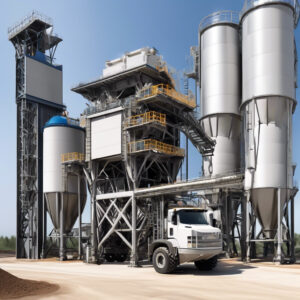
Concrete batching plants are essential to the construction industry, providing the necessary materials to build everything from highways to high-rise buildings. However, these facilities must comply with various laws and regulations to ensure environmental protection, workplace safety, and community well-being. Failure to adhere to these laws can result in hefty fines, legal action, or even the closure of operations. This article will explore the key laws and regulations that govern concrete batching plants, covering environmental laws, workplace safety regulations, zoning restrictions, and industry-specific requirements.
Environmental Laws and Regulations
The production of concrete involves handling and processing materials such as cement, sand, aggregate, and water, all of which can have significant environmental impacts if not managed properly. Various federal, state, and local environmental regulations apply to concrete batching plants, with the primary aim of minimizing pollution and protecting public health.
Clean Air Act (CAA)
The Clean Air Act (CAA) is a fundamental piece of environmental legislation in the United States that regulates air emissions from stationary and mobile sources. Concrete batching plants must comply with the CAA to control dust and particulate matter emissions. Key compliance requirements include:
Dust Control Measures: Installing baghouse filters, wet suppression systems, and enclosures to minimize dust.
Emission Permits: Obtaining permits from the Environmental Protection Agency (EPA) or state environmental agencies to operate legally.
Regular Monitoring and Reporting: Conducting air quality assessments and submitting reports to regulatory authorities.
Clean Water Act (CWA)
The Clean Water Act (CWA) governs the discharge of pollutants into U.S. waters and establishes quality standards for surface waters. Concrete batching plants must take steps to prevent contamination of local water bodies, including:
Stormwater Management: Implementing best management practices (BMPs) such as retention ponds and sediment control barriers.
Wastewater Treatment: Properly treating process water before discharge or reusing it to minimize waste.
Spill Prevention Plans: Developing and maintaining spill response strategies to prevent accidental contamination of nearby water sources.
Resource Conservation and Recovery Act (RCRA)
The RCRA regulates the disposal of hazardous and non-hazardous solid waste. Concrete batching plants must ensure proper handling and disposal of waste materials such as:
Unused or Rejected Concrete: Recycling or properly disposing of excess concrete to prevent landfill overuse.
Chemical Storage and Disposal: Properly labeling and storing hazardous substances like admixtures and ensuring their safe disposal.
Workplace Safety Regulations
Concrete batching plants involve the operation of heavy machinery, exposure to hazardous materials, and other workplace hazards. Employers must comply with Occupational Safety and Health Administration (OSHA) regulations to maintain a safe working environment.
Personal Protective Equipment (PPE) Requirements
OSHA mandates that workers be provided with the necessary PPE, including:
Respiratory Protection: Masks or respirators to protect against inhaling cement dust.
Hearing Protection: Earplugs or earmuffs for employees working near loud machinery.
Eye and Skin Protection: Safety goggles and gloves to prevent injuries from chemical exposure.
Machine Safety and Lockout/Tagout Procedures
Heavy equipment such as mixers, conveyors, and loaders can pose significant risks if not properly maintained. Concrete batching plants must implement safety protocols, including:
Regular Equipment Inspections: Ensuring all machinery is in good working condition.
Lockout/Tagout Procedures: Preventing accidental machine start-ups during maintenance.
Training Programs: Providing workers with safety training to operate machinery correctly.
Hazard Communication Standards
Concrete batching plants must comply with OSHA’s Hazard Communication Standard (HCS) to inform employees about hazardous chemicals in the workplace. This includes:
Safety Data Sheets (SDS): Maintaining documentation for all chemicals used on-site.
Proper Labeling: Ensuring that all hazardous materials are clearly labeled.
Employee Training: Educating workers on handling hazardous substances safely.
Zoning and Land Use Regulations
Before setting up a concrete batching plant, operators must ensure compliance with zoning and land use laws. These regulations vary by locality and are typically enforced by municipal or county governments.
Zoning Restrictions
Zoning laws determine where industrial operations like concrete batching plants can be located. Common restrictions include:
Industrial Zoning Requirements: Most batching plants must be situated in industrial zones rather than residential or commercial areas.
Buffer Zones: Requirements for maintaining a certain distance from schools, hospitals, and residential neighborhoods to reduce noise and dust exposure.
Building and Construction Permits
Operators must obtain the necessary permits before constructing or modifying a batching plant. This process often involves:
Site Plan Approval: Submitting detailed plans for review by local planning authorities.
Environmental Impact Assessments (EIA): Conducting studies to assess potential environmental impacts.
Public Hearings: Addressing concerns from community members regarding plant operations.
Industry-Specific Compliance Standards
In addition to federal and local laws, concrete batching plants must adhere to industry-specific standards set by organizations such as the National Ready Mixed Concrete Association (NRMCA) and the American Concrete Institute (ACI).
NRMCA Certification
The NRMCA offers a certification program that ensures batching plants meet high-quality operational standards. Certified plants must adhere to best practices for:
Material Storage and Handling: Properly storing raw materials to prevent contamination.
Batching Accuracy: Ensuring precise measurement of mix components.
Quality Control Testing: Regularly testing concrete batches to maintain consistency and durability.
ACI Standards
The American Concrete Institute (ACI) sets guidelines for concrete production and placement. Compliance with ACI standards helps plants achieve:
Optimal Mix Designs: Ensuring concrete meets strength and durability requirements.
Workability Standards: Producing concrete with the right consistency for various applications.
Sustainability Practices: Encouraging the use of recycled materials and eco-friendly production methods.
Conclusion
Operating a concrete batching plant involves navigating a complex web of legal requirements, from environmental regulations and workplace safety standards to zoning laws and industry certifications. Compliance with these laws not only helps avoid legal consequences but also ensures sustainable operations, worker safety, and community well-being. By staying informed about regulatory changes and investing in best practices, batching plant operators can maintain efficiency while upholding their legal and ethical responsibilities. Whether you are starting a new plant or managing an existing one, understanding and adhering to these laws is crucial for long-term success in the industry.