

Concerts are some of the most exhilarating and memorable events people can attend. From small local shows to massive music festivals, concerts bring together people of all ages and backgrounds for an experience filled with excitement, energy, and entertainment. However, amid the euphoria, there is always an inherent risk of accidents, injuries, or health emergencies. That’s why having a viable First Aid Kit on hand at every concert isn’t just a matter of common sense; it’s a legal requirement in many places around the world. But why exactly are there laws mandating First Aid Kits at concerts, and what makes them so essential?
In this article, we will explore why these regulations exist, the types of emergencies they address, the components of a proper concert First Aid Kit, and how having one can make the difference between a minor incident and a major catastrophe. By the end, you’ll understand why this simple precaution is so crucial to the safety and well-being of concert-goers and why the law rightly enforces it.
The Legal Foundation for First Aid Kits at Concerts
Why the Law Mandates First Aid Kits
The primary reason for the legal requirement of First Aid Kits at concerts is the safety and well-being of the attendees. Concerts are high-energy events, often characterized by large crowds, loud music, and various physical activities like dancing, jumping, and moshing. All of these factors increase the risk of accidents, injuries, and medical emergencies. Without a proper First Aid Kit, the consequences of these incidents can escalate quickly, leading to severe injuries or even fatalities.
In many jurisdictions, laws have been enacted that specifically require concert organizers to ensure the availability of First Aid Kits and, in some cases, trained medical personnel. This is part of a broader set of regulations aimed at ensuring public safety at large events. These regulations are based on risk assessments and the understanding that prompt medical intervention can prevent minor injuries from becoming serious and can even save lives in critical situations.
Historical Context: The Evolution of Safety Regulations
The legal requirements for First Aid Kits at concerts are relatively recent developments, largely emerging in response to past tragedies and incidents. In the 1960s and 1970s, as large-scale music festivals became more popular, there were numerous reports of injuries, overdoses, and even deaths at these events. High-profile cases like the Altamont Free Concert in 1969, where several attendees were injured or died due to the lack of adequate medical support, highlighted the urgent need for safety regulations.
In response to these and other incidents, governments and regulatory bodies began to implement stricter safety measures. Requirements for crowd control, emergency exits, and on-site medical facilities, including First Aid Kits, became standard. These measures are now integral to event planning and have become legally mandated in many parts of the world.
The Risks and Emergencies Common at Concerts
Injuries from Crowds and Physical Activity
One of the most significant risks at concerts is injury from crowd-related activities. Large crowds can be unpredictable, especially in high-energy environments where people are excited and engaged in physical activities like dancing or jumping. This can lead to accidents such as falls, sprains, or more serious injuries like fractures.
Mosh pits, which are common at rock and metal concerts, present additional risks. In a mosh pit, concert-goers often push and bump into each other, sometimes violently. While this is part of the experience for many, it can result in bruises, cuts, and even head injuries. Having a First Aid Kit nearby allows for immediate treatment, which can prevent minor injuries from worsening.
Dehydration and Heat-Related Illnesses
Concerts, especially outdoor festivals during the summer, can expose attendees to extreme heat and long periods of sun exposure. Dehydration, heat exhaustion, and even heat stroke are common at these events. Without proper intervention, heat-related illnesses can quickly become life-threatening. First Aid Kits typically include items like oral rehydration salts and cooling packs, which can provide immediate relief and stabilize the individual until further medical help arrives.
Drug and Alcohol-Related Incidents
Many concert-goers consume alcohol, and in some cases, illicit drugs, to enhance their experience. Unfortunately, this can lead to a range of medical emergencies, from alcohol poisoning to drug overdoses. Symptoms such as vomiting, unconsciousness, and respiratory distress require swift intervention. A well-stocked First Aid Kit may include items such as activated charcoal (for ingestion of toxins) and CPR masks, allowing event staff to provide critical first aid before emergency services can take over.
Allergic Reactions and Medical Conditions
Concerts are public events, attracting people with diverse medical backgrounds. Some attendees may have severe allergies, such as to peanuts or bee stings, and may suffer from anaphylactic shock if exposed. Others might have chronic conditions like asthma or diabetes, which could be exacerbated by the excitement and physical exertion of a concert. A proper First Aid Kit can include epinephrine auto-injectors (EpiPens) for allergic reactions and glucose tablets for diabetic emergencies, potentially saving lives.
Components of a Viable First Aid Kit for Concerts
Essential Supplies
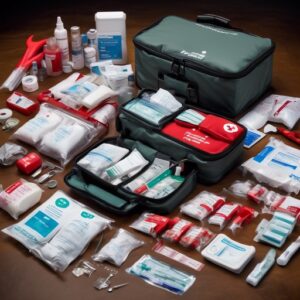
A standard First Aid Kit for a concert should be more comprehensive than a typical home or office kit. Here’s what a concert-specific First Aid Kit typically includes:
Basic Medical Supplies: Bandages, adhesive tape, antiseptic wipes, and gauze pads for treating minor cuts, scrapes, and wounds.
Emergency Medications: Pain relievers, antihistamines, epinephrine auto-injectors, and oral rehydration salts.
Respiratory and CPR Equipment: CPR masks, breathing barriers, and even automated external defibrillators (AEDs) for cardiac emergencies.
Cooling and Heating Packs: For treating heat exhaustion, sunburn, or sprains.
Instruments and Tools: Tweezers, scissors, safety pins, and a thermometer.
Advanced Preparations: Trained Medical Staff
While a First Aid Kit is essential, it is equally important to have trained personnel who can use the supplies effectively. Many jurisdictions require event organizers to hire certified medical professionals or first responders for large-scale events. This combination of a well-stocked First Aid Kit and trained staff ensures that injuries and emergencies can be handled swiftly and effectively.
The Legal Ramifications of Non-Compliance
Consequences for Concert Organizers
Failing to provide a viable First Aid Kit at a concert can lead to serious legal consequences for the organizers. In many places, this is considered a violation of health and safety regulations, which can result in hefty fines, lawsuits, and even the cancellation of future events. In cases where a lack of proper medical support results in serious injury or death, the organizers could face criminal charges.
Protecting the Audience and Mitigating Liability
By adhering to the legal requirements for First Aid Kits, concert organizers not only protect their attendees but also mitigate their own liability. Proper preparation demonstrates a commitment to safety and can be a strong defense against claims of negligence in the event of an incident. It also helps to build trust with the audience, who will feel more secure knowing that the event is prepared for emergencies.
Conclusion
Concerts are vibrant, high-energy experiences that can create lasting memories for attendees. However, with the excitement comes an element of risk that cannot be ignored. Laws mandating the presence of a viable First Aid Kit Concert exist to protect everyone involved—from the concert-goers to the staff and performers. These regulations are rooted in past tragedies and are designed to prevent future incidents by ensuring that the right supplies and trained personnel are available to handle emergencies swiftly.
A First Aid Kit might seem like a small and simple precaution, but its impact can be profound. Whether it’s treating a minor cut, providing relief for heat exhaustion, or stabilizing someone experiencing a medical emergency, the contents of a First Aid Kit can make all the difference in critical moments. That’s why the law requires them at concerts, and why their presence is an essential part of event planning.
In the end, having a well-prepared First Aid Kit is not just about complying with the law—it’s about ensuring the safety, health, and well-being of everyone who attends the event. It’s a small step that can lead to a safer, more enjoyable experience for all, turning potential disasters into manageable situations and allowing the music to continue uninterrupted.