

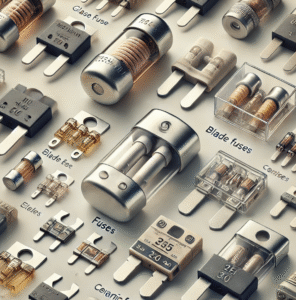
When you flip on a light switch or charge your phone, you rarely think about the small but critical component keeping your home, business, or hotel safe: the fuse. Fuses are more than just a piece of electrical hardware—they’re the first line of defense against overloads and short circuits that can lead to devastating fires, property damage, or even loss of life.
Because of their importance, fuses are not just an engineering concern but also a legal one. Electrical laws and safety codes govern how, where, and when fuses must be installed. These laws ensure that buildings—from residential homes to sprawling industrial facilities—operate under safe electrical conditions. Ignoring these regulations can result in fines, lawsuits, and dangerous hazards.
In this article, we’ll explore the laws surrounding fuses, from building codes and national standards to international safety frameworks. ⚡
The Legal Backbone of Fuse Requirements
National Electrical Code (NEC) in the United States
In the U.S., the primary governing body of electrical safety is the National Electrical Code (NEC), published by the National Fire Protection Association (NFPA). This code is widely adopted by states and municipalities, making it a legal requirement in most jurisdictions.
The NEC dictates:
-
The size and type of fuses appropriate for different circuits.
-
Where fuses must be placed to protect appliances and wiring.
-
Maintenance and replacement guidelines for fuse systems.
Failure to comply with the NEC not only risks electrical accidents but can also invalidate insurance claims in the event of an electrical fire.
🔗 Learn more about the NEC at the NFPA official website.
Occupational Safety and Health Administration (OSHA) Standards
Workplaces are subject to OSHA regulations for electrical safety, which include fuse compliance. OSHA requires that all electrical installations, including fuse boxes and overcurrent protection devices, are installed and maintained properly to prevent employee injury.
For example:
-
OSHA enforces standards that prevent overloaded circuits by requiring proper fuse ratings.
-
Employers must provide training for workers handling fuse replacements.
-
OSHA inspectors can issue fines if unsafe fuse setups are discovered.
This is particularly important in industries like construction, manufacturing, and hospitality, where fuse misuse can directly endanger employees and guests.
🔗 Explore OSHA’s standards on electrical safety here.
International Standards: IEC and Beyond
Fuse regulations are not limited to the U.S. The International Electrotechnical Commission (IEC) establishes global fuse standards that influence regulations in Europe, Asia, and beyond. These include:
-
IEC 60269: Standards for low-voltage fuses.
-
IEC 60127: Standards for miniature fuses often used in electronics.
These standards ensure that fuses manufactured and sold internationally meet performance and safety requirements, creating uniformity across borders. This is critical for multinational corporations that need their electrical systems to comply with multiple jurisdictions.
🔗 You can read about IEC fuse standards at the International Electrotechnical Commission.
Why Fuse Law Exists: Safety and Liability
Fire Prevention
One of the leading causes of residential and commercial fires is faulty electrical systems. By law, fuses (or circuit breakers) are required to cut off electrical flow when there’s an overload. Without legal standards in place, property owners could cut corners, putting lives at risk.
Insurance and Legal Liability
Fuse compliance is tied directly to insurance coverage. Many insurance companies require proof that electrical systems are up to code. If an investigation reveals outdated or illegal fuse installations, the insurer may refuse to cover damages.
Criminal and Civil Responsibility
In extreme cases, neglecting fuse laws can lead to criminal charges. If a building owner knowingly ignored electrical codes and a fire caused injury or death, they could face charges such as negligence or even manslaughter.
Case Studies: When Fuse Law Made Headlines
-
Rhode Island Nightclub Fire (2003): Although this tragedy was caused primarily by pyrotechnics, investigators found numerous electrical code violations. Fuse and circuit protection failures contributed to the disaster. This case highlighted how fuse law isn’t just about property—it’s about people’s lives.
-
Workplace Citations: OSHA frequently cites businesses for improper fuse installations. In many cases, fines exceed thousands of dollars, and companies must halt operations until compliance is restored.
These examples show that fuse laws aren’t abstract—they affect real-world safety and business continuity.
Modern Trends in Fuse Regulation
Smart Fuses and Circuit Breakers
As technology advances, many jurisdictions are updating codes to include smart fuse systems that allow remote monitoring and predictive maintenance. Lawmakers are recognizing the role of digital technology in preventing electrical hazards.
Renewable Energy and Electric Vehicles
Fuse law is also evolving with the growth of solar panels and electric vehicles. These systems require new types of overcurrent protection, prompting updates to building codes and international standards.
Global Harmonization
International businesses push for harmonized fuse standards so products can cross borders without modification. For example, an electronic device designed with IEC-compliant fuses is more easily sold in both Europe and the U.S.
Practical Takeaways for Property Owners and Businesses
-
Know Your Local Code – Always check your city or state’s adoption of the NEC or equivalent codes.
-
Schedule Regular Inspections – Hire licensed electricians to verify that fuse systems remain compliant.
-
Train Employees – If your workplace involves fuse maintenance, ensure workers are trained per OSHA standards.
-
Don’t Cut Corners – Using the wrong fuse may save money upfront but risks catastrophic legal and financial consequences.
-
Stay Updated – Laws evolve with technology; staying informed keeps you compliant.
Conclusion
Fuses may be small, but their legal impact is massive. From NFPA codes in the U.S. to IEC standards worldwide, fuse law exists to protect lives, property, and businesses. Compliance is not optional—it’s a legal obligation with serious consequences if ignored.
By respecting fuse regulations, you’re not only safeguarding against electrical hazards but also protecting yourself from legal liability, financial loss, and potential tragedy. ⚡🏛️
In short: the law surrounding fuses isn’t just about wiring—it’s about responsibility.
✅ Authority Links Used: