

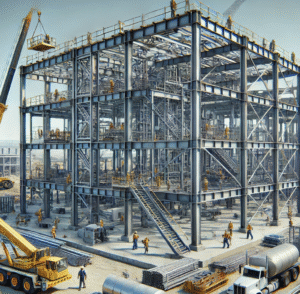
Constructing a metal building in Orlando is not simply about assembling steel, concrete, and high-grade components. It is a process governed by a tight web of laws, codes, safety requirements, and administrative mandates designed to protect the public, ensure high-quality workmanship, and maintain community safety. Orlando’s booming commercial landscape—especially in hospitality, warehousing, manufacturing, aviation, and retail—depends heavily on contractors who understand and comply with these legal frameworks. For any Orlando Metal Building Construction company, knowing and following these laws isn’t optional. It’s essential.
Below is an in-depth look at the major laws and regulatory requirements these companies must follow in order to operate legally, safely, and successfully in Central Florida.
Florida Building Code (FBC) and Structural Standards
The Florida Building Code is the backbone of construction law across the state, and its structural regulations are particularly important for metal buildings. Because metal buildings often involve wide-span framing systems, modular steel components, and customized engineering, they must meet strict wind-load and hurricane-resistant requirements. Orlando falls within a region that demands buildings withstand significant wind events, making compliance non-negotiable.
The FBC outlines requirements for:
-
Structural integrity
-
Wind resistance
-
Foundation systems
-
Fire resistance and occupancy classifications
-
Energy efficiency
-
Mechanical, electrical, and plumbing integration
The Florida Building Code is updated every three years, and each update can include entirely new mandates. Construction companies in Orlando must keep up with new versions to avoid liability, project delays, or safety violations. These codes exist to protect the public and the industry, and they remain one of the most cited structures of law in Florida construction.
For context on the broader essence of building regulation, the foundational concept of building codes is documented on Wikipedia, which outlines the role of codes in global construction safety.
OSHA Compliance and Worker Safety Laws
The Occupational Safety and Health Administration (OSHA) oversees federal safety laws that construction companies must follow. Metal building construction involves heavy lifting, welding, cutting, material handling, and work at varying heights—each presenting significant safety risks. OSHA enforces safety standards that include:
-
Fall protection requirements
-
Personal protective equipment (PPE)
-
Hazard communication
-
Scaffolding requirements
-
Welding and cutting safety
-
Rigging and crane safety
-
Electrical system safety
-
Lift operation rules
Beyond the federal level, Florida requires strict adherence to OSHA’s directives even though Florida does not operate its own state OSHA program. Any violation can lead to hefty fines, project shutdowns, legal liability, or injury claims.
Law-focused publications, such as Law360, frequently report on compliance cases, OSHA citations, and construction safety lawsuits—illustrating why worker-safety law is essential for Orlando Metal Building Construction businesses.
Contractor Licensing Laws in Florida
A metal building contractor cannot legally perform work in Orlando without proper licensing through the Florida Department of Business and Professional Regulation (DBPR). These laws ensure contractors demonstrate:
-
Technical competency
-
Financial responsibility
-
Clean legal standing
-
Knowledge of Florida building codes
There are two primary licenses relevant to metal building construction:
-
Certified General Contractor (CGC) – Allows work anywhere in Florida.
-
Registered General Contractor (RGC) – Allows work only in specific local jurisdictions.
In addition, subcontractors such as electricians, HVAC installers, or plumbers must also carry their respective state licenses.
Unlicensed contracting in Florida is a criminal offense. Reputable legal sources like The National Law Review regularly cover cases where contractors face legal consequences for unlicensed work. The takeaway is clear: licensing is not a formality—it’s the law.
Environmental and Stormwater Laws
Metal building construction requires excavation, grading, and material handling that can impact the surrounding environment. Orlando contractors must comply with local and state environmental regulations, including:
-
Stormwater Pollution Prevention Plans (SWPPP)
-
Erosion control barriers
-
Sediment control practices
-
Landscape preservation
-
Water retention and drainage design
-
Proper hazardous material management
The Florida Department of Environmental Protection (FDEP) enforces these laws, especially for large commercial projects such as warehouses, industrial structures, and storage facilities. Failure to comply can result in fines, mandatory site remediation, and even legal injunctions.
Zoning and Land-Use Regulations in Orlando
Before a metal building goes up, the land must be zoned correctly. Orlando’s zoning code dictates land-use categories, structural height limits, building placement, easements, and site access rules. These regulations ensure that commercial, industrial, and mixed-use construction meets community standards for aesthetics, safety, and environmental balance.
Companies must also consider:
-
Setback requirements
-
Impervious surface limits
-
Vehicle access design
-
Fire lane and hydrant placement
-
Utility easements
-
Parking mandates
A metal building intended for a warehouse may be suitable in an industrial zone but may be prohibited in a commercial district. Navigating zoning law requires attention to detail and legal awareness.
Law-related guidance and municipal compliance issues are often discussed in publications like Bloomberg Law, which covers land-use disputes and zoning updates across U.S. cities, including Florida.
ADA Compliance Requirements
Metal buildings, particularly those used for hotels, retail, offices, manufacturing centers, and public-facing facilities, must comply with the Americans with Disabilities Act (ADA). These requirements ensure accessibility for all individuals and include:
-
ADA-compliant entrances
-
Ramp design
-
Doorway widths
-
Parking accommodations
-
Restroom accessibility
-
Handrails, slopes, and leveling
ADA violations can trigger lawsuits, fines, or mandatory retrofitting—costs that most construction companies would rather avoid through proper planning and compliance from the start.
Fire Safety and NFPA Standards
Orlando requires compliance with fire laws overseen by the National Fire Protection Association (NFPA). Metal buildings must meet regulations for:
-
Fire-resistant construction
-
Alarm systems
-
Fire suppression systems
-
Egress routes
-
Ventilation
-
Electrical installation safety
-
Fuel storage standards
Metal buildings, especially those used for warehousing or manufacturing, can have unique fire dynamics due to their large, open spans and the manufacturing equipment stored inside. Fire codes ensure life safety, limit property loss, and create safer environments for occupants and workers.
Insurance and Liability Regulations
The law requires Orlando construction companies to carry specific insurance policies including:
-
General liability insurance
-
Workers’ compensation coverage
-
Builder’s risk insurance
-
Vehicle and equipment insurance
Insurance regulations protect both contractors and clients from financial disputes, workplace injuries, and project damage. Without proper coverage, a company cannot lawfully operate or secure building permits.
Permitting and Inspection Laws
No Orlando Metal Building Construction company can begin work without approved building permits. These permits ensure compliance with:
-
Structural design
-
Electrical plans
-
Plumbing systems
-
Site development
-
Fire systems
-
Mechanical design
-
Engineering reviews
Once construction begins, projects undergo a series of mandatory inspections. Failing any inspection can halt an entire project until corrections are made, costing time, money, and legal exposure.
Conclusion: Legal Compliance Is the Foundation of Every Successful Metal Building in Orlando 🧱⚖️
The laws that govern Orlando Metal Building Construction near me aren’t obstacles—they are essential protections designed to ensure safety, durability, fairness, and community well-being. From the Florida Building Code to OSHA, zoning, environmental regulations, ADA requirements, and fire safety standards, every rule exists for a reason. Staying compliant not only keeps a construction company legal—it keeps clients protected, workers safe, and Orlando’s commercial landscape strong.
Whether constructing a hotel expansion, industrial facility, automotive center, distribution hub, or custom steel structure, following the law is the foundation that makes everything else possible. Orlando remains one of the fastest-growing markets in Florida, and construction companies that build with integrity, compliance, and responsibility will continue to rise above the rest—one steel beam at a time.