

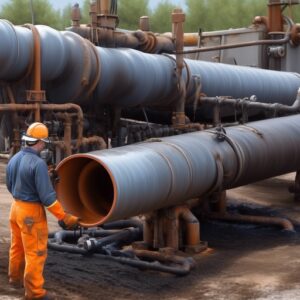
Pipe cleaning is a crucial aspect of maintaining safe and functional plumbing systems across residential, commercial, and industrial settings. However, it’s not just about keeping water flowing or sewage properly managed. The process of cleaning pipes involves various regulations and legal frameworks that ensure safety, environmental protection, and proper management of hazardous materials. These laws cover a wide range of areas, from environmental safety and waste disposal to worker protection and the use of specialized equipment.
In this article, we will delve into the key laws governing pipe cleaning, their importance, and how professionals in the industry must ensure compliance to avoid legal complications. We’ll also touch on how these regulations vary depending on the location, the type of pipes involved, and the materials handled.
The Clean Water Act (CWA)
One of the primary federal laws impacting pipe cleaning operations is the Clean Water Act (CWA). Enacted in 1972, this law regulates discharges of pollutants into the waters of the United States and ensures the quality of surface waters. For companies involved in pipe cleaning, especially those dealing with wastewater systems, compliance with the CWA is critical. Failure to properly manage and treat wastewater during and after pipe cleaning can result in significant fines and penalties.
Pipe cleaning operations that involve clearing blockages in sewage systems or stormwater pipes must adhere to standards that prevent the release of contaminants into nearby water bodies. This means using approved cleaning agents, containing pollutants, and disposing of wastewater in a manner that complies with federal and state guidelines.
Resource Conservation and Recovery Act (RCRA)
The RCRA governs the management of hazardous waste from its creation to its disposal. Pipe cleaning, particularly in industrial settings, may involve the removal of hazardous substances such as chemicals, sludge, or even radioactive materials. Under the RCRA, these materials must be properly identified, handled, and disposed of using approved methods to prevent contamination of land and water.
Businesses conducting pipe cleaning that generate hazardous waste are required to maintain proper documentation, follow storage regulations, and ensure that waste is treated, transported, and disposed of in an environmentally safe manner. The Environmental Protection Agency (EPA) oversees this, and failure to comply can result in hefty fines or even criminal charges for negligence.
Occupational Safety and Health Act (OSHA)
The Occupational Safety and Health Administration (OSHA) enforces regulations designed to protect workers from hazards on the job. Pipe cleaning can involve working in confined spaces, exposure to toxic chemicals, and handling high-pressure cleaning equipment, all of which pose risks to workers. OSHA standards require employers to provide proper training, safety equipment, and monitoring systems to ensure that pipe cleaning professionals are working in safe conditions.
Employers must also ensure compliance with the Confined Spaces Standard (29 CFR 1910.146), which is particularly relevant to pipe cleaning in underground or enclosed systems. This standard mandates that workers in confined spaces have appropriate ventilation, air quality monitoring, and escape routes in case of an emergency.
National Environmental Policy Act (NEPA)
The National Environmental Policy Act (NEPA) requires federal agencies to assess the environmental impact of their actions before undertaking major projects. In the context of pipe cleaning, especially large-scale projects involving federal infrastructure, compliance with NEPA means conducting environmental assessments to ensure that pipe cleaning activities do not negatively affect ecosystems or communities.
This law requires collaboration with environmental scientists and regulatory bodies to evaluate the potential harm from the chemicals and methods used in pipe cleaning. Companies working on federally funded projects must be especially vigilant in ensuring that their operations meet NEPA’s standards to avoid project delays or legal repercussions.
State and Local Regulations
While federal laws provide overarching guidelines, many states and municipalities have their own regulations governing pipe cleaning activities. These can include stricter environmental protection laws, additional licensing requirements for pipe cleaning contractors, and specific waste disposal procedures.
For example, some states require companies to obtain special permits for using certain pipe cleaning chemicals or equipment, while others may have more stringent rules regarding the disposal of wastewater or debris cleared from pipes. It’s important for pipe cleaning businesses to be familiar with the laws in their specific location and ensure compliance with both state and federal regulations.
Environmental Protection Agency (EPA) Guidelines
Beyond federal laws, the EPA provides a wide range of guidelines that influence how pipe cleaning should be conducted. These include best practices for managing wastewater, handling chemicals, and mitigating the environmental impact of pipe cleaning operations. The EPA also oversees the permitting process for companies that discharge treated wastewater into surface waters.
The agency’s guidelines often evolve as new environmental issues arise, so staying up-to-date on EPA recommendations is crucial for pipe cleaning companies. In some cases, state environmental agencies may have additional guidelines that complement or go beyond those issued by the EPA.
The Pipeline Safety Act
For pipe cleaning companies involved in maintaining natural gas or hazardous liquid pipelines, the Pipeline Safety Act (49 CFR Parts 192 and 195) is a key piece of legislation. This act establishes standards for the operation, maintenance, and inspection of pipelines to ensure public safety and environmental protection.
Cleaning operations on pipelines that carry gas or hazardous liquids must be carried out in accordance with the act’s provisions. This includes using certified equipment, following inspection protocols, and ensuring that cleaning does not damage the integrity of the pipeline.
Licensing and Certification Requirements
Many jurisdictions require pipe cleaning professionals to be licensed or certified to operate legally. These requirements often include passing an exam that covers safety practices, environmental laws, and technical skills related to pipe cleaning. Licensing ensures that companies and workers are knowledgeable about the laws and risks associated with the job.
Some states also require businesses to carry specific types of insurance, such as environmental liability insurance, to cover potential damages from pipe cleaning activities.
Conclusion
Compliance with the laws and regulations governing pipecleaning is not just a legal requirement but a moral obligation to protect workers, the environment, and the community. From federal laws like the Clean Water Act and RCRA to local licensing requirements, pipe cleaning companies must navigate a complex legal landscape to operate safely and effectively. Failure to adhere to these laws can result in significant penalties, legal action, and harm to the environment.
As the pipe cleaning industry evolves, with advancements in technology and growing environmental concerns, it’s likely that regulations will continue to become more stringent. Companies that stay informed about legal changes and prioritize compliance will not only avoid legal trouble but also build a reputation for responsible and sustainable practices.