

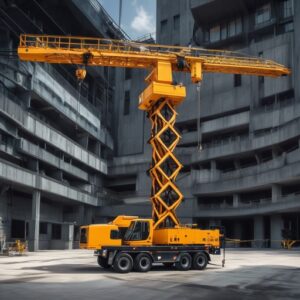
Crane operators play an essential role in the construction, logistics, and industrial sectors, often responsible for operating complex machinery that moves large, heavy materials at construction sites, ports, and warehouses. These professionals require specialized training, certification, and adherence to strict safety protocols. Given the critical nature of their job, both to the economy and workplace safety, various laws have been put in place to protect crane operators’ employment rights and job security.
This blog post explores the laws and regulations that safeguard crane operators, detailing how they are designed to ensure worker safety, job stability, and equal employment opportunities in this vital field. We will also examine the impact of these laws on the industry and the steps operators and employers must take to remain compliant.
Crane Operator Certification Requirements
One of the most critical aspects of protecting crane operators is ensuring they possess the necessary skills and qualifications. The Occupational Safety and Health Administration (OSHA) established specific certification requirements to guarantee that operators are properly trained. This law, known as OSHA’s Crane and Derrick Rule, was introduced in 2010 and mandates that all crane operators in construction must be certified by an accredited testing organization.
Key provisions include:
- Operators must pass both a written and practical examination.
- Certification must be specific to the type of crane the operator will be using.
- The certification must be renewed every five years to ensure up-to-date knowledge and skills.
This law not only protects operators by requiring employers to hire qualified individuals but also ensures that crane operators are not replaced by unqualified workers, maintaining job security within the profession.
Job Safety and Health Regulations
In addition to certification, crane operators are protected by laws focused on safety in the workplace. The construction industry is one of the most hazardous sectors, and crane operators face unique risks due to the nature of their work. OSHA regulations set stringent safety requirements that employers must follow to protect crane operators and other workers on-site.
These safety regulations include:
- Regular inspections of cranes and associated equipment.
- Mandatory safety protocols for assembling and disassembling cranes.
- Required operator training on load capacity, swing radius, and site hazards.
- Strict adherence to load-lifting guidelines to prevent tipping or equipment failure.
Failure to comply with these regulations can result in heavy fines for employers, ensuring that crane operators are protected from unsafe working conditions.
The Fair Labor Standards Act (FLSA) and Wage Protections
Crane operators, like all other workers, are entitled to fair wages and compensation for their labor. The Fair Labor Standards Act (FLSA) provides minimum wage and overtime protections for employees, including crane operators. Under the FLSA, operators are entitled to overtime pay at a rate of one and a half times their regular rate for hours worked over 40 in a workweek.
Additionally, many crane operators work under collective bargaining agreements negotiated by labor unions. These agreements often include provisions for higher wages, better working conditions, and improved benefits, further protecting crane operators’ financial security.
Collective Bargaining and Union Protections
Labor unions have historically played a significant role in protecting the jobs and rights of crane operators. Many crane operators are part of unions, such as the International Union of Operating Engineers (IUOE), which advocates for better wages, safer working conditions, and job security.
Benefits of union membership for crane operators include:
- Representation in disputes with employers.
- Collective bargaining agreements that set standards for pay, working conditions, and benefits.
- Access to additional training and certification programs.
- Legal representation in cases of wrongful termination or discrimination.
Union contracts often guarantee job security, ensuring that experienced crane operators cannot be easily replaced by less skilled workers, and preventing employers from outsourcing jobs to non-union labor.
Job Protection Under the National Labor Relations Act (NLRA)
The National Labor Relations Act (NLRA) is another vital law that protects crane operators, particularly those who are unionized. This federal law safeguards workers’ rights to organize, join unions, and engage in collective bargaining without fear of retaliation from their employers.
Key protections under the NLRA include:
- Prohibiting employers from firing or disciplining workers for union activities.
- Protecting workers’ right to strike or participate in work stoppages.
- Preventing employers from discriminating against employees based on their union membership or activities.
These provisions ensure that crane operators who are part of a union or who seek to organize their workplace cannot be unjustly terminated or punished, thus safeguarding their jobs.
Anti-Discrimination Laws and Equal Opportunity Employment
Crane operators, like all workers, are protected by anti-discrimination laws such as Title VII of the Civil Rights Act, the Americans with Disabilities Act (ADA), and the Age Discrimination in Employment Act (ADEA). These laws prohibit discrimination in hiring, promotion, and termination based on race, gender, religion, disability, age, or national origin.
For crane operators, these laws ensure that employers cannot deny them opportunities based on factors unrelated to their ability to perform the job. Additionally, under the ADA, crane operators with disabilities who can perform the essential functions of their job with reasonable accommodation must be provided with such accommodations, preventing discrimination based on disability.
Job Security and the WARN Act
The Worker Adjustment and Retraining Notification (WARN) Act is a law designed to protect workers, including crane operators, from sudden layoffs. The WARN Act requires employers to provide 60 days’ notice before a mass layoff or plant closure. This law ensures that crane operators have enough time to seek new employment or retrain for other positions if their current job is eliminated.
For crane operators, whose work is often tied to large construction projects, this law provides crucial protection. If a project is shut down or a company faces financial difficulties, operators must be given sufficient notice, allowing them to transition to other opportunities without being blindsided by sudden unemployment.
State-Level Job Protections for Crane Operators
In addition to federal laws, many states have enacted their own regulations to protect crane operators. These state-level protections often expand on federal laws, providing additional job security and safety measures.
For example, some states require stricter certification standards for crane operators, while others mandate specific safety training programs or offer stronger protections against wage theft. State labor departments also play a role in enforcing these laws, ensuring that crane operators in those states enjoy enhanced job protections.
Conclusion
Crane operators near me are crucial to many industries, and their jobs are protected by a variety of federal and state laws designed to ensure their safety, fair compensation, and job security. From certification requirements under OSHA to wage protections provided by the FLSA, these regulations help maintain high standards within the industry while safeguarding operators from exploitation or unsafe working conditions.
Moreover, the role of labor unions and collective bargaining agreements provides crane operators with additional protections, ensuring that their rights are respected and their jobs secure. Anti-discrimination laws further ensure that operators are treated fairly, regardless of their race, gender, disability, or age.
As the construction and industrial sectors continue to grow, the importance of crane operators remains evident. By staying informed about the laws that protect their jobs, crane operators can ensure that their rights are upheld, and their careers remain secure in a demanding yet essential profession.