

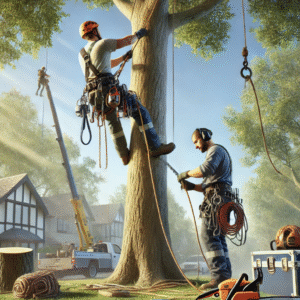
Working as a tree arborist is about more than climbing tall oaks and pruning branches — it’s also about complying with a complex set of local, state, and federal laws that govern how trees are managed, preserved, and sometimes removed. Whether you’re a seasoned professional or just entering the industry, knowing the legal landscape is vital to protect your business, your clients, and the environment.
From city ordinances to OSHA regulations and environmental protections, arborists operate in a highly regulated field. In this guide, we’ll unpack the key legal requirements tree arborists must follow across the U.S., what licenses or certifications may be required, and how to avoid costly penalties or lawsuits while working in the treetops. 🌲⚖️
🌿 Understanding the Role of a Tree Arborist
Before diving into the laws, let’s define what a tree arborist actually does. Arborists, also known as tree surgeons, specialize in the care, maintenance, and removal of trees. Their work ranges from trimming branches for safety and aesthetics to diagnosing tree diseases, performing soil analysis, and even advising on landscape planning.
With such a critical role in public and environmental health, arborists are required to follow regulations in:
-
Worker safety
-
Environmental protection
-
Tree preservation
-
Permits and licensing
-
Insurance and liability
Let’s break down each of these categories.
🛡️ OSHA and Arborist Safety Laws
Tree work is inherently dangerous. Arborists often operate heavy machinery, chainsaws, and cranes — all while working at heights. That’s why safety laws, particularly those enforced by the Occupational Safety and Health Administration (OSHA), are essential.
Key OSHA Regulations for Arborists:
-
29 CFR 1910.269 – Covers line-clearance tree trimming near power lines.
-
29 CFR 1910 Subpart I – Personal protective equipment (PPE) standards.
-
29 CFR 1910.147 – Lockout/tagout procedures for controlling hazardous energy.
-
29 CFR 1910.266 – Logging operations, applicable to tree felling and large removals.
For a comprehensive breakdown of regulations, visit OSHA Tree Care Operations Guide.
✅ OSHA requires employers to:
-
Provide proper PPE (helmets, eye protection, harnesses, etc.)
-
Train employees in safe work practices
-
Maintain equipment and inspect work sites
-
Ensure fall protection systems are in place when working above 6 feet
Failing to comply can result in significant fines, especially if an injury occurs.
📜 Local Tree Ordinances and Removal Permits
One of the most overlooked legal pitfalls for arborists is violating local tree ordinances.
Common Local Tree Laws Include:
-
Tree Removal Permits – Many cities require permits for removing trees over a certain size (usually based on diameter at breast height).
-
Protected Tree Species – Some trees are considered heritage or protected and cannot be removed without special approval.
-
Setback Requirements – Certain trees near property lines or utilities may require special handling.
-
Replacement Mandates – In some municipalities, removed trees must be replaced with specific species.
For example:
-
In Los Angeles, removing a native tree like the Coast Live Oak requires a permit under the Protected Tree Ordinance.
-
In Austin, Texas, any removal of a tree with a diameter of 19 inches or more is regulated under the City’s Environmental Criteria Manual.
⚠️ Tip: Always contact the local planning or forestry department before beginning any tree removal or trimming project.
🌍 Environmental Regulations and Conservation Laws
Tree care also intersects with federal and state environmental laws — especially when work occurs near wetlands, endangered habitats, or stormwater management zones.
Key Environmental Laws Arborists Must Be Aware Of:
-
Clean Water Act (CWA) – Tree work near wetlands or waterways must not disrupt protected areas.
-
Endangered Species Act (ESA) – Tree removal must not impact protected wildlife (e.g., nesting birds or bat roosts).
-
NEPA (National Environmental Policy Act) – Public projects involving trees may require environmental assessments.
🔍 Example: Cutting down a tree with an active bald eagle nest (protected under the Bald and Golden Eagle Protection Act) could result in fines up to $100,000 and even jail time.
✅ Best Practice: Conduct a biological or environmental survey when working in sensitive areas.
📄 State-Level Arborist Licensing and Certification
While arborists are not licensed in every state, some do require specific credentials to legally perform tree work.
States That Require Licensing or Registration for Arborists:
-
Connecticut
-
Louisiana
-
Maine
-
Maryland
-
Massachusetts
-
New Hampshire
-
New Jersey
In these states, tree contractors must pass exams, submit proof of insurance, and register with the state licensing board.
✅ Even in states where licensing isn’t mandatory, certification from the International Society of Arboriculture (ISA) is often required for municipal contracts or high-profile projects. Learn more at the ISA Certification Website.
💼 Business Licensing and Liability Insurance
Even if you’re ISA-certified, you’re not ready to work until your business is compliant.
Business Requirements for Arborists:
-
Business License – Required by most municipalities.
-
Contractor License – Some states classify tree work under contractor laws.
-
Liability Insurance – Essential to protect clients and your business.
-
Workers’ Compensation Insurance – Required if you hire employees.
💡 Pro tip: You should also consider bonding (especially for government or commercial contracts) to give clients added confidence in your services.
🏛️ Laws on Neighbor Disputes and Property Rights
Trees often become a source of legal conflict when branches, roots, or fallen limbs cross property lines.
Key Legal Concepts:
-
Right to Trim – Property owners can usually trim branches that overhang their property — but cannot damage the health of the tree.
-
Duty of Care – Arborists can be held liable for improper work that causes a tree to fall or become hazardous.
-
Encroachment Claims – Removing a neighbor’s tree or working without consent can result in trespassing or property damage lawsuits.
📚 Reference: FindLaw Guide on Tree Disputes
✅ To avoid issues:
-
Get written permission from clients.
-
Review property surveys if the tree is near the boundary.
-
Document tree condition before and after service.
📦 Laws About Tree Waste and Disposal
Tree work generates waste — and it must be disposed of legally.
Legal Requirements Include:
-
Transport Permits – Some states require permits to haul wood, mulch, or debris, especially across state lines.
-
Invasive Species Rules – Certain trees, like ash or elm, may harbor pests and can’t be transported untreated.
-
Landfill Restrictions – Green waste disposal may be regulated or banned in certain landfills.
🪵 Example: Under the USDA Emerald Ash Borer Quarantine Regulations, transporting ash wood from quarantined zones is illegal.
🧾 Contract Law and Written Agreements
Every arborist should protect their business by using written contracts that outline the scope of work, pricing, liability, and any legal disclaimers.
Key Contract Elements:
-
Client name and address
-
Full description of work
-
Timeline and completion terms
-
Liability disclaimers
-
Warranty on work (if applicable)
-
Arbitration or mediation clause
✅ Contracts can help avoid disputes, clarify expectations, and ensure you’re covered in case of litigation.
🔍 Recordkeeping and Documentation Laws
Depending on your state, you may be required to keep logs of:
-
Pesticide or chemical usage
-
Equipment inspections
-
Safety briefings or training
-
Tree condition reports for municipal work
These records protect you during inspections, audits, or legal claims.
📁 Many arborists use digital apps like Arborgold, Jobber, or TreePlotter to stay compliant with documentation requirements.
Conclusion: 🌲 Stay Legal, Stay Respected
Tree care is a noble and necessary profession — but it’s also one that walks a fine legal line. From OSHA safety mandates to environmental laws and local ordinances, tree arborists must be sharp not just with saws but with regulations.
Following these laws doesn’t just keep you out of trouble — it builds trust with clients, protects the environment, and elevates the credibility of the arborist profession.
If you’re looking to hire a certified, law-abiding team of Tree Arborists Near Me or want to ensure your own business is fully compliant, always stay informed and seek legal guidance where needed.
The canopy is high — but so are the standards. 🌳📚