Why Courthouses Are Choosing Resinous Flooring: A Durable and Modern Solution

law news for Resinous flooring

Courthouses serve as the backbone of the legal system, providing a space where justice is administered fairly and efficiently. These government buildings experience heavy foot traffic, require strict maintenance standards, and must maintain a professional appearance. Traditionally, courthouses have relied on materials such as marble, carpet, or tile for their flooring, but these options often come with high maintenance costs and durability concerns. In recent years, resinous flooring has emerged as a preferred choice for courthouses across the country.

Resinous flooring is a seamless, durable, and low-maintenance solution made from epoxy, polyurethane, or other synthetic resins. This flooring type is increasingly being used in public buildings due to its longevity, ease of cleaning, and aesthetic versatility. In this article, we will explore the reasons why courthouses are making the switch to resinous flooring, examining its benefits in terms of durability, maintenance, safety, aesthetics, and cost-effectiveness.

Durability and Longevity

One of the primary reasons courthouses are opting for resinous flooring is its durability. Courthouses are high-traffic environments, with hundreds or even thousands of people walking through them daily, including judges, lawyers, clerks, and members of the public. Unlike traditional flooring materials, which can chip, crack, or wear down over time, resinous flooring is designed to withstand heavy use without showing significant signs of wear and tear.

Resinous floors are resistant to scratches, stains, and impact damage, making them ideal for courtrooms, hallways, and common areas. Additionally, they are impervious to moisture, meaning that spills and water exposure do not cause warping or deterioration, as can happen with wood or carpet. With a properly installed and maintained resinous floor, courthouses can enjoy long-lasting performance without frequent replacements.

Low Maintenance and Easy Cleaning

Another major advantage of resinous flooring is its ease of maintenance. Courthouses require strict cleanliness standards due to their role in upholding public health and safety. Traditional flooring materials like carpet can trap dust, allergens, and bacteria, requiring constant vacuuming and deep cleaning. Meanwhile, tile floors often have grout lines that accumulate dirt and are difficult to clean.

Resinous flooring, on the other hand, is a seamless surface without grout lines or fibers to trap debris. This makes cleaning much more efficient and reduces the need for extensive labor. Courthouse janitorial teams can easily mop or sweep the floors with minimal effort, ensuring a consistently polished and professional appearance. Additionally, the non-porous nature of resinous flooring prevents the absorption of spills and stains, reducing the risk of permanent discoloration.

Enhanced Safety and Slip Resistance

Safety is a top priority in courthouses, where the risk of slips, trips, and falls must be minimized. Resinous flooring offers excellent slip resistance, especially when certain additives are included in the installation process. Textured finishes and anti-slip coatings can be applied to resinous floors to provide additional traction, reducing the likelihood of accidents.

Unlike polished marble or tile, which can become dangerously slippery when wet, resinous flooring maintains a reliable grip, even in high-moisture areas. This makes it particularly useful in entryways, lobbies, and restrooms, where wet conditions are more common. Additionally, resinous flooring complies with Occupational Safety and Health Administration (OSHA) standards for slip resistance, ensuring that courthouses meet regulatory safety requirements.

Aesthetic Appeal and Customization

While functionality is crucial, courthouses also aim to maintain a dignified and professional aesthetic. Resinous flooring is highly customizable, allowing for a variety of colors, patterns, and finishes that can complement the courthouse’s architectural style. Whether a courthouse prefers a classic, polished look or a modern, contemporary design, resinous flooring can be tailored to match its aesthetic vision.

Some resinous flooring systems even allow for the incorporation of logos, seals, or decorative patterns, enhancing the visual appeal of the courthouse environment. This customization provides a unique opportunity to reinforce the identity of the judicial institution while maintaining a clean and sophisticated appearance. Additionally, resinous flooring can mimic the look of high-end materials such as stone or terrazzo without the associated cost and maintenance challenges.

Cost-Effectiveness and Sustainability

Budget constraints are always a consideration for government-funded institutions like courthouses. Resinous flooring is a cost-effective investment due to its long lifespan and low maintenance requirements. While the initial installation cost may be comparable to other high-quality flooring options, the long-term savings make it a more economical choice.

Because resinous flooring does not require frequent replacements or intensive maintenance, courthouses can significantly reduce operational costs. Additionally, its resistance to damage minimizes the need for costly repairs, making it a practical long-term solution.

From a sustainability standpoint, many resinous flooring systems use eco-friendly materials and installation processes. Some formulations contain low volatile organic compounds (VOCs), contributing to better indoor air quality and a healthier environment for courthouse occupants. Furthermore, the longevity of resinous flooring reduces the environmental impact associated with frequent replacements and material waste.

Adaptability for Specialized Areas

Courthouses contain a variety of spaces that require different flooring needs. From public lobbies to private judge’s chambers, holding cells, and evidence rooms, each area has unique demands. Resinous flooring is highly adaptable, making it suitable for multiple courthouse applications.

Courtrooms: Aesthetic appeal combined with durability ensures a professional and long-lasting surface.

Public Hallways and Lobbies: High foot traffic requires wear-resistant flooring that can maintain its appearance over time.

Holding Cells and Secure Areas: The seamless nature of resinous flooring prevents contraband concealment and is easy to sanitize.

Clerk’s Offices and Administrative Areas: A smooth, dust-free surface provides a comfortable and clean workspace.

Restrooms and Utility Areas: Water-resistant and hygienic properties make resinous flooring an ideal choice for areas exposed to moisture.

Conclusion

Resinous flooring is quickly becoming the flooring solution of choice for courthouses due to its durability, ease of maintenance, safety features, aesthetic versatility, and cost-effectiveness. As courthouses strive to maintain a professional and functional environment, the benefits of resinous flooring make it an ideal investment for both new construction and renovation projects.

By choosing resinous flooring, courthouses can reduce long-term costs, enhance safety, and maintain a pristine appearance without the burden of intensive upkeep. As more government buildings recognize the advantages of this modern flooring solution, resinous flooring is likely to become the standard for judicial facilities across the country.


Navigating Legal Requirements for Starting a Concrete Coating Business in Florida

law news for Concrete Coating

Starting a concrete coating business in Florida offers promising opportunities, especially given the state’s booming construction and renovation sectors. However, to ensure compliance and avoid potential legal pitfalls, it’s crucial to understand and adhere to the various laws and regulations governing this industry. This comprehensive guide delves into the essential legal considerations for establishing and operating a concrete coating business in Florida.


1. Business Registration and Structure

Before commencing operations, you must register your business with the appropriate state agencies.


2. Contractor Licensing Requirements

In Florida, contractor licensing is regulated by the Department of Business and Professional Regulation (DBPR).

Depending on the scope of your services, you may need to obtain specific licenses:

  • Certified Contractor License: Allows you to work statewide. Requirements include passing the Florida contractor’s examination, demonstrating financial stability, and providing proof of experience.
    👉 Certified Contractor License FAQs

  • Registered Contractor License: Permits you to work within specific local jurisdictions. You must hold a local contractor’s license and register with the state.
    👉 DBPR Application Center

It’s essential to determine whether your services fall under the categories requiring licensure. For example, while decorative concrete resurfacing may not require a state license, some counties or cities might have their own licensing rules.
👉 Guide to Decorative Concrete Coatings


3. Insurance and Bonding

Adequate insurance coverage is vital for protecting your business and clients:

  • General Liability Insurance: Covers property damage and bodily injuries during your operations.

  • Workers’ Compensation Insurance: Mandatory if you have employees. It covers medical expenses and lost wages for work-related injuries.
    👉 Florida Workers’ Compensation Information

Additionally, if your credit score is below 660, Florida requires you to obtain a contractor license bond to demonstrate financial responsibility.
👉 How to Get a Contractor License in Florida


4. OSHA Compliance

Ensuring workplace safety is paramount. The Occupational Safety and Health Administration (OSHA) sets forth regulations your business must follow:

  • Respirable Crystalline Silica Standard: Concrete grinding and cutting can release silica dust, which poses serious health risks. Implement control measures such as wet cutting, HEPA filters, and protective ventilation.
    👉 New OSHA Silica Rule for Concrete Dust

  • Personal Protective Equipment (PPE): Provide PPE to employees, including respirators, gloves, and eye protection.
    👉 OSHA PPE Standards

  • Spray Finishing Operations: If your work includes spray application of coatings, comply with OSHA’s regulations on flammable liquids and spray booths.
    👉 OSHA Spray Booth Regulations


5. EPA Regulations

The Environmental Protection Agency (EPA) governs the use of certain chemicals and materials to protect the environment:

  • Volatile Organic Compounds (VOCs): Many coatings contain VOCs, which contribute to air pollution. Ensure the products you use comply with the EPA’s limits for architectural coatings.
    👉 EPA Factsheet – AIM Coatings

  • Hazardous Waste Management: Properly store and dispose of leftover coatings, thinners, and solvents according to EPA guidelines.
    👉 EPA Concrete Sector Information


6. Local Permitting and Zoning

Local jurisdictions may have additional requirements:

  • Building Permits: Some concrete coating projects—especially if they alter the structure—require permits. Always check with the local building department.
    👉 Cape Coral Licensing & Permits FAQs (Example)

  • Zoning Regulations: Ensure your business location complies with zoning codes, especially for commercial or industrial workspaces. Reach out to your city or county zoning office for details.


7. Best Practices for Compliance

Here are a few tips to help you maintain compliance and foster long-term success:

  • Stay Up to Date: Regularly check regulatory websites like DBPR, OSHA, and EPA.

  • Maintain Documentation: Keep copies of all licenses, permits, insurance policies, safety procedures, and training logs.

  • Train Your Team: Schedule regular training on safety and compliance topics to ensure your employees are informed.

  • Hire Legal and Tax Experts: Consider hiring a construction attorney or a CPA who understands state and federal compliance for contractors.


Conclusion

Launching a concrete coating company in Florida isn’t just about knowing how to deliver a great finish—it’s about building your business on a strong legal foundation. From state licensing to federal environmental guidelines, the laws you follow protect your business, your team, and your clients. By staying informed and proactive, you’ll not only stay compliant—you’ll also earn the trust that turns first-time customers into loyal fans.

Whether you’re just starting or scaling your services, understanding and following these laws will help you build a successful, resilient business for years to come.

The Legal Framework for Operating a Concrete Batching Plant

law news for Concrete Batching Plant

Concrete batching plants are essential to the construction industry, providing the necessary materials to build everything from highways to high-rise buildings. However, these facilities must comply with various laws and regulations to ensure environmental protection, workplace safety, and community well-being. Failure to adhere to these laws can result in hefty fines, legal action, or even the closure of operations. This article will explore the key laws and regulations that govern concrete batching plants, covering environmental laws, workplace safety regulations, zoning restrictions, and industry-specific requirements.

Environmental Laws and Regulations

The production of concrete involves handling and processing materials such as cement, sand, aggregate, and water, all of which can have significant environmental impacts if not managed properly. Various federal, state, and local environmental regulations apply to concrete batching plants, with the primary aim of minimizing pollution and protecting public health.

Clean Air Act (CAA)

The Clean Air Act (CAA) is a fundamental piece of environmental legislation in the United States that regulates air emissions from stationary and mobile sources. Concrete batching plants must comply with the CAA to control dust and particulate matter emissions. Key compliance requirements include:

Dust Control Measures: Installing baghouse filters, wet suppression systems, and enclosures to minimize dust.

Emission Permits: Obtaining permits from the Environmental Protection Agency (EPA) or state environmental agencies to operate legally.

Regular Monitoring and Reporting: Conducting air quality assessments and submitting reports to regulatory authorities.

Clean Water Act (CWA)

The Clean Water Act (CWA) governs the discharge of pollutants into U.S. waters and establishes quality standards for surface waters. Concrete batching plants must take steps to prevent contamination of local water bodies, including:

Stormwater Management: Implementing best management practices (BMPs) such as retention ponds and sediment control barriers.

Wastewater Treatment: Properly treating process water before discharge or reusing it to minimize waste.

Spill Prevention Plans: Developing and maintaining spill response strategies to prevent accidental contamination of nearby water sources.

Resource Conservation and Recovery Act (RCRA)

The RCRA regulates the disposal of hazardous and non-hazardous solid waste. Concrete batching plants must ensure proper handling and disposal of waste materials such as:

Unused or Rejected Concrete: Recycling or properly disposing of excess concrete to prevent landfill overuse.

Chemical Storage and Disposal: Properly labeling and storing hazardous substances like admixtures and ensuring their safe disposal.

Workplace Safety Regulations

Concrete batching plants involve the operation of heavy machinery, exposure to hazardous materials, and other workplace hazards. Employers must comply with Occupational Safety and Health Administration (OSHA) regulations to maintain a safe working environment.

Personal Protective Equipment (PPE) Requirements

OSHA mandates that workers be provided with the necessary PPE, including:

Respiratory Protection: Masks or respirators to protect against inhaling cement dust.

Hearing Protection: Earplugs or earmuffs for employees working near loud machinery.

Eye and Skin Protection: Safety goggles and gloves to prevent injuries from chemical exposure.

Machine Safety and Lockout/Tagout Procedures

Heavy equipment such as mixers, conveyors, and loaders can pose significant risks if not properly maintained. Concrete batching plants must implement safety protocols, including:

Regular Equipment Inspections: Ensuring all machinery is in good working condition.

Lockout/Tagout Procedures: Preventing accidental machine start-ups during maintenance.

Training Programs: Providing workers with safety training to operate machinery correctly.

Hazard Communication Standards

Concrete batching plants must comply with OSHA’s Hazard Communication Standard (HCS) to inform employees about hazardous chemicals in the workplace. This includes:

Safety Data Sheets (SDS): Maintaining documentation for all chemicals used on-site.

Proper Labeling: Ensuring that all hazardous materials are clearly labeled.

Employee Training: Educating workers on handling hazardous substances safely.

Zoning and Land Use Regulations

Before setting up a concrete batching plant, operators must ensure compliance with zoning and land use laws. These regulations vary by locality and are typically enforced by municipal or county governments.

Zoning Restrictions

Zoning laws determine where industrial operations like concrete batching plants can be located. Common restrictions include:

Industrial Zoning Requirements: Most batching plants must be situated in industrial zones rather than residential or commercial areas.

Buffer Zones: Requirements for maintaining a certain distance from schools, hospitals, and residential neighborhoods to reduce noise and dust exposure.

Building and Construction Permits

Operators must obtain the necessary permits before constructing or modifying a batching plant. This process often involves:

Site Plan Approval: Submitting detailed plans for review by local planning authorities.

Environmental Impact Assessments (EIA): Conducting studies to assess potential environmental impacts.

Public Hearings: Addressing concerns from community members regarding plant operations.

Industry-Specific Compliance Standards

In addition to federal and local laws, concrete batching plants must adhere to industry-specific standards set by organizations such as the National Ready Mixed Concrete Association (NRMCA) and the American Concrete Institute (ACI).

NRMCA Certification

The NRMCA offers a certification program that ensures batching plants meet high-quality operational standards. Certified plants must adhere to best practices for:

Material Storage and Handling: Properly storing raw materials to prevent contamination.

Batching Accuracy: Ensuring precise measurement of mix components.

Quality Control Testing: Regularly testing concrete batches to maintain consistency and durability.

ACI Standards

The American Concrete Institute (ACI) sets guidelines for concrete production and placement. Compliance with ACI standards helps plants achieve:

Optimal Mix Designs: Ensuring concrete meets strength and durability requirements.

Workability Standards: Producing concrete with the right consistency for various applications.

Sustainability Practices: Encouraging the use of recycled materials and eco-friendly production methods.

Conclusion

Operating a concrete batching plant involves navigating a complex web of legal requirements, from environmental regulations and workplace safety standards to zoning laws and industry certifications. Compliance with these laws not only helps avoid legal consequences but also ensures sustainable operations, worker safety, and community well-being. By staying informed about regulatory changes and investing in best practices, batching plant operators can maintain efficiency while upholding their legal and ethical responsibilities. Whether you are starting a new plant or managing an existing one, understanding and adhering to these laws is crucial for long-term success in the industry.

Legal Requirements for Starting a Custom Kitchen Cabinets Business

law news for Kitchen Cabinets

Starting a custom kitchen cabinets business can be an exciting and lucrative venture, especially for entrepreneurs with a passion for woodworking and interior design. However, like any business, there are legal requirements that must be met to ensure compliance and avoid costly penalties. Understanding these laws is crucial for building a strong foundation for your business. This article will guide you through the necessary legal steps to establish a custom kitchen cabinets business, covering topics such as business structure, licensing, permits, contracts, insurance, and compliance with labor and environmental regulations.

Choosing a Business Structure

One of the first legal steps in starting your custom kitchen cabinets business is deciding on a business structure. The structure you choose will impact taxation, liability, and regulatory requirements. Common business structures include:

Sole Proprietorship: The simplest structure, where the business and owner are legally the same entity. While easy to set up, it exposes the owner to personal liability.

Limited Liability Company (LLC): A popular choice for small businesses as it offers liability protection while maintaining tax flexibility.

Corporation (S-Corp or C-Corp): Provides strong liability protection but comes with more regulatory requirements and complex tax structures.

Partnership: Suitable for businesses with multiple owners. It can be structured as a general partnership (shared liability) or a limited partnership (some partners have limited liability).

Before selecting a structure, consult with a business attorney or accountant to determine the best option for your goals.

Registering the Business

Once you have chosen a business structure, you must register your business with the appropriate state and local authorities. This includes:

Business Name Registration: If operating under a name other than your own, you may need to file a “Doing Business As” (DBA) registration.

Employer Identification Number (EIN): If hiring employees or forming an LLC/corporation, you need to obtain an EIN from the IRS.

State Registration: Depending on the state, you may need to register with the Secretary of State’s office and obtain a state tax ID.

Licensing and Permits

To legally operate a custom kitchen cabinets business, you may need to obtain various licenses and permits, which vary by state and local jurisdiction. Some common requirements include:

General Business License: Most cities or counties require businesses to obtain a basic operating license.

Contractor’s License: If your business involves cabinet installation, you may need a contractor’s license, which typically requires passing an exam and providing proof of insurance.

Sales Tax Permit: If you sell cabinets directly to customers, you may need a sales tax permit to collect and remit sales tax.

Building and Zoning Permits: If operating a workshop, you may need permits ensuring your business complies with local zoning laws.

Environmental Permits: Woodworking businesses produce dust and chemical waste, requiring compliance with environmental regulations.

Check with your state and local government agencies to determine which licenses and permits apply to your business.

Contracts and Agreements

A well-drafted contract is essential for protecting your business when dealing with clients, suppliers, and contractors. Key contracts to consider include:

Client Contracts: Define project scope, costs, payment terms, warranties, and dispute resolution processes.

Supplier Agreements: Outline terms for purchasing materials, delivery timelines, and pricing structures.

Subcontractor Agreements: If outsourcing work, define responsibilities, payment terms, and liability clauses.

Employment Contracts: If hiring workers, outline job roles, wages, and confidentiality agreements.

Consult a business attorney to draft legally sound contracts that protect your interests.

Business Insurance

Having the right insurance coverage is crucial for mitigating risks and protecting your assets. Important types of insurance for a custom kitchen cabinets business include:

General Liability Insurance: Covers third-party claims for bodily injury or property damage.

Workers’ Compensation Insurance: Required if you have employees, covering workplace injuries.

Commercial Property Insurance: Protects your workshop, tools, and inventory from damage or theft.

Product Liability Insurance: Covers claims related to defects in your cabinets.

Business Interruption Insurance: Provides financial support if operations are disrupted due to unforeseen events.

Speak with an insurance broker to ensure you have adequate coverage for your business.

Compliance with Labor Laws

If hiring employees, your business must comply with federal and state labor laws, including:

Wage and Hour Laws: Ensure employees are paid minimum wage and overtime when applicable.

Occupational Safety and Health Administration (OSHA) Compliance: Implement safety measures to prevent workplace hazards.

Equal Employment Opportunity Laws: Prohibit discrimination in hiring and employment practices.

Employee Benefits and Payroll Taxes: Provide required benefits and withhold payroll taxes.

Failure to comply with labor laws can result in penalties and lawsuits, so it’s essential to stay informed of employment regulations.

Environmental and Safety Regulations

Woodworking businesses, including custom cabinet making, must comply with environmental and safety laws. Key considerations include:

Air Quality Regulations: If using paints, stains, or adhesives, you may need permits to control emissions.

Waste Disposal Compliance: Properly dispose of wood scraps, sawdust, and chemical waste in accordance with local regulations.

Fire Safety Codes: Ensure your workshop meets fire safety standards, including proper ventilation and fire suppression systems.

Machine Safety Standards: Comply with OSHA standards for using saws, drills, and other woodworking equipment.

Stay updated on regulatory changes to maintain compliance and avoid fines.

Conclusion

Starting a custom kitchen cabinets business involves more than just craftsmanship and design; it requires careful attention to legal and regulatory requirements. From choosing the right business structure and obtaining licenses to ensuring compliance with labor and environmental laws, each step is essential for building a legally sound and successful business. By taking the time to understand and adhere to these legal requirements, you can protect your business from potential risks and focus on creating high-quality custom cabinetry for your clients. To ensure full compliance, consider consulting legal and financial professionals who specialize in small business regulations. With the right legal foundation, your custom kitchen cabinets business can thrive in a competitive market.

Laws and Regulations Flooring Removal Companies Must Follow

law news for flooring removal

Flooring removal is a necessary step in many renovation and construction projects, but it involves much more than simply tearing up old surfaces. Flooring removal companies must adhere to a variety of federal, state, and local regulations to ensure worker safety, environmental protection, and proper disposal of materials. Failing to comply with these laws can result in severe fines, legal action, and damage to a company’s reputation. This article outlines the key laws and regulations that flooring removal businesses must follow to operate legally and ethically.

Occupational Safety and Health Regulations

The Occupational Safety and Health Administration (OSHA) enforces strict safety guidelines for flooring removal companies. These regulations aim to protect workers from hazards associated with heavy machinery, dust inhalation, and exposure to hazardous materials such as asbestos and lead-based adhesives.

Personal Protective Equipment (PPE)

Employers must provide workers with the necessary PPE, such as respirators, gloves, eye protection, and hearing protection when operating loud equipment. OSHA standards require businesses to assess workplace hazards and ensure that all employees are adequately trained in using protective gear.

Dust Control and Air Quality

Flooring removal generates a significant amount of dust, which can contain harmful substances like silica. OSHA’s Respirable Crystalline Silica Standard mandates that companies implement dust control measures, such as using water suppression techniques or high-efficiency particulate air (HEPA) vacuum systems. Employers must also conduct regular air quality monitoring to ensure compliance with permissible exposure limits (PELs).

Equipment Safety

OSHA has regulations governing the use of machinery such as floor scrapers, grinders, and shot blasters. Equipment must be regularly maintained to prevent malfunctions that could lead to workplace injuries. Additionally, workers must receive training on the proper use of equipment to minimize risks.

Environmental Protection and Waste Disposal Laws

Proper disposal of flooring materials is critical for environmental sustainability and regulatory compliance. Flooring removal companies must adhere to federal, state, and local environmental protection laws that govern the disposal of hazardous and non-hazardous waste.

Asbestos Abatement Regulations

Many older buildings contain asbestos in flooring materials such as vinyl tiles, adhesives, and underlayment. The Environmental Protection Agency (EPA) and the Asbestos Hazard Emergency Response Act (AHERA) regulate asbestos removal and disposal. Flooring removal companies must:

  • Conduct asbestos testing before disturbing flooring materials.
  • Obtain proper certification for asbestos abatement if removal is required.
  • Follow approved containment and disposal procedures to prevent airborne contamination.
  • Dispose of asbestos-containing materials at approved hazardous waste facilities.

Lead-Based Paint Regulations

Flooring removal projects in buildings constructed before 1978 may encounter lead-based adhesives or coatings. The EPA’s Renovation, Repair, and Painting (RRP) Rule requires contractors to be certified in lead-safe work practices and to follow specific containment and cleanup procedures to protect workers and occupants from lead exposure.

Waste Disposal Compliance

Non-hazardous flooring waste, such as wood, tile, carpet, and laminate, must be disposed of in accordance with local landfill regulations. Some materials may be recyclable, and companies should consider environmentally responsible disposal methods to minimize landfill waste. Companies must also follow the Resource Conservation and Recovery Act (RCRA), which governs the management of hazardous waste.

State and Local Licensing and Permits

Most states and municipalities require flooring removal companies to obtain business licenses and permits. These regulations ensure that companies operate legally and maintain accountability to clients and regulatory bodies.

Contractor Licensing

Many states require flooring removal contractors to hold a valid contractor’s license. This may involve passing an exam, providing proof of insurance, and demonstrating experience in the field. Licensing requirements vary by state, so businesses should consult local regulations to ensure compliance.

Permitting Requirements

Some flooring removal projects require permits, particularly if they involve extensive demolition or hazardous material abatement. Permitting ensures that work is completed in accordance with building codes and environmental laws. Failure to obtain necessary permits can result in fines and project delays.

Insurance and Liability Compliance

Insurance coverage is essential for flooring removal companies to protect against potential legal claims and financial losses. Several types of insurance are necessary to comply with industry regulations and protect businesses, workers, and clients.

Workers’ Compensation Insurance

Most states require flooring removal companies to carry workers’ compensation insurance to cover medical expenses and lost wages for employees injured on the job. This coverage protects both workers and employers from costly legal disputes.

General Liability Insurance

General liability insurance covers damages resulting from property damage, bodily injury, and other liabilities that may arise during flooring removal projects. Many clients and contractors require proof of general liability insurance before hiring a flooring removal company.

Environmental Liability Insurance

Given the risks associated with hazardous material exposure, flooring removal companies should consider environmental liability insurance. This coverage helps mitigate financial risks related to accidental contamination, improper waste disposal, and environmental damage claims.

Fair Labor and Employment Laws

Flooring removal companies must adhere to labor laws that govern employee wages, working conditions, and equal opportunity employment practices.

Wage and Hour Laws

The Fair Labor Standards Act (FLSA) sets minimum wage and overtime requirements for workers. Flooring removal businesses must ensure employees are paid at least the federal or state minimum wage and receive overtime pay for hours worked beyond 40 per week.

Workplace Discrimination Laws

Companies must comply with Equal Employment Opportunity Commission (EEOC) regulations, which prohibit discrimination based on race, gender, religion, disability, and other protected characteristics. Flooring removal businesses must implement fair hiring practices and provide equal opportunities for employment and advancement.

Independent Contractor Classification

Many flooring removal businesses hire independent contractors rather than full-time employees. However, misclassifying workers can lead to legal issues with the Internal Revenue Service (IRS) and the Department of Labor (DOL). Companies must ensure they properly classify workers based on IRS guidelines to avoid penalties and lawsuits.

Conclusion

Operating flooring removal companies requires more than technical expertise—it demands strict adherence to a wide range of laws and regulations. From worker safety and environmental protection to licensing, insurance, and employment laws, companies must navigate complex legal requirements to remain compliant and successful. By staying informed and implementing best practices, flooring removal businesses can protect their workers, clients, and the environment while building a trustworthy and reputable company in the industry. Business owners should regularly review regulatory changes and seek legal counsel when needed to ensure full compliance with all applicable laws.

The Legal Landscape of Gym Workouts: Dumbbell Quad Training and Gym Regulations

law news for best workout for quads

Gyms offer a structured environment for individuals to pursue their fitness goals, but many people don’t realize that laws and regulations play a critical role in shaping their workout experience. Whether you’re a fitness enthusiast focusing on building stronger quads with dumbbells or a gym owner ensuring compliance with safety laws, understanding the legal framework surrounding gym operations and workout safety is essential.

This article explores the best dumbbell workouts for quads and the legalities that govern gym facilities, from liability concerns to equipment maintenance, personal trainer responsibilities, and member rights.

The Best Dumbbell Exercises for Quad Development

When training quadriceps with dumbbells, you can achieve incredible muscle growth, strength, and endurance. Here are some of the most effective quad-focused exercises using dumbbells:

Goblet Squat

  • Hold a dumbbell close to your chest.
  • Lower into a squat position while keeping your back straight and knees tracking over your toes.
  • Push back up to the starting position.
  • This exercise places emphasis on the quads while engaging the core and upper body for stability.

Dumbbell Bulgarian Split Squat

  • Stand in a lunge position with your back foot elevated on a bench.
  • Hold a dumbbell in each hand and lower yourself down until your front thigh is parallel to the ground.
  • Push through your front leg to return to the starting position.
  • This unilateral exercise is excellent for isolating the quads and improving balance.

Dumbbell Step-Ups

  • Hold a dumbbell in each hand and step onto a sturdy bench or platform.
  • Push through your leading leg to lift your entire body onto the platform.
  • Step down and repeat on the other side.
  • This movement enhances quad strength and functional fitness.

Dumbbell Front Squat

  • Hold a pair of dumbbells at shoulder height.
  • Lower into a deep squat while maintaining an upright torso.
  • Drive through your heels to stand back up.
  • This variation places more emphasis on the quads compared to traditional back squats.

Dumbbell Walking Lunges

  • Hold a dumbbell in each hand and take a step forward.
  • Lower your back knee toward the floor while keeping your front shin vertical.
  • Push through the front leg to bring the other leg forward into the next lunge.
  • This movement improves leg strength, coordination, and endurance.

Legal Considerations Surrounding Gym Workouts

While these exercises can help you build stronger quads, there are various legal aspects that both gym members and owners should be aware of when using fitness facilities.

Gym Liability and Injury Risks

Gyms are legally obligated to provide a safe environment for their members. However, injuries can still occur, especially when using free weights like dumbbells.

Waivers and Liability Releases: Most gyms require members to sign a waiver that limits the gym’s liability in case of injuries. However, these waivers don’t absolve a gym from gross negligence, such as failing to maintain safe equipment.

Personal Responsibility: Members are expected to use equipment properly and follow posted safety guidelines. If an injury occurs due to improper use of dumbbells, the gym may not be held liable.

Equipment Safety and Maintenance Laws

Gyms must adhere to strict safety regulations to ensure that all equipment, including dumbbells, is in good condition.

Routine Inspections: Gym owners are legally required to maintain and inspect their equipment regularly.

Defective Equipment Liability: If a gym fails to replace damaged dumbbells or unsafe benches, it could be held liable for any resulting injuries.

Personal Trainer Responsibilities and Certifications

Many gym-goers rely on personal trainers to help them perform exercises safely and effectively.

Trainer Certifications: In most states, personal trainers must hold certifications from accredited organizations like NASM or ACE to legally offer fitness coaching.

Negligence and Legal Action: If a trainer instructs a member to perform an unsafe exercise that leads to injury, the trainer and the gym may be held legally accountable.

Member Rights and Contract Laws

Before signing up for a gym membership, it’s important to understand your legal rights.

Membership Agreements: Contracts must clearly outline cancellation policies, fees, and terms of service.

Consumer Protection Laws: Some states have laws that require gyms to provide a grace period for cancellation without penalties.

Conclusion

Training your quads with the best workout for quads dumbbell is an effective way to build lower-body strength, but it’s crucial to be aware of the legal considerations when working out in a gym. Whether you’re a gym-goer ensuring you use equipment safely or a gym owner complying with legal standards, understanding liability, safety, and membership rights can help create a safer and more productive fitness environment. By combining knowledge of the best dumbbell exercises with an awareness of gym laws, you can optimize your workouts while staying protected from legal risks.

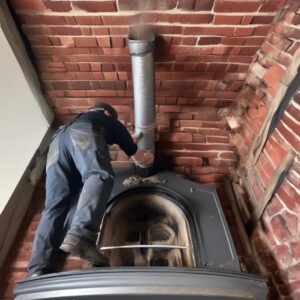
The Legal Framework of Chimney Inspections: Regulations, Requirements, and Responsibilities

law news for Chimney Inspection

Chimney inspections play a critical role in maintaining the safety and functionality of residential and commercial heating systems. While many homeowners and business owners understand the importance of regular chimney maintenance, fewer are aware of the legal requirements surrounding chimney inspections. Federal, state, and local regulations outline specific standards that must be followed to ensure that chimneys are safe for use. Failure to comply with these laws can result in penalties, legal liabilities, and, most importantly, increased risks of fires, carbon monoxide poisoning, and structural damage. This article delves into the legal aspects of chimney inspections, highlighting key regulations, industry standards, and the responsibilities of property owners and chimney professionals.

The Importance of Chimney Inspections

Before exploring the laws governing chimney inspections, it is important to understand why these inspections are essential. A chimney serves as a ventilation system for fireplaces, wood stoves, and other heating appliances, allowing smoke, gases, and other byproducts to escape safely. Over time, chimneys can develop structural issues, accumulate dangerous creosote buildup, and become obstructed by debris or animal nests. Regular inspections help identify and mitigate these risks, ensuring safe operation and compliance with legal standards.

The National Fire Protection Association (NFPA) and the Chimney Safety Institute of America (CSIA) set industry standards for chimney inspections. These organizations work closely with government agencies to establish guidelines that help prevent fires, carbon monoxide poisoning, and other hazards associated with chimney use.

Federal Regulations Governing Chimney Inspections

At the federal level, chimney inspection regulations are primarily influenced by fire safety and environmental protection laws. While there is no singular federal statute that mandates chimney inspections for all property owners, several regulations impact the industry:

The Clean Air Act (CAA): This law regulates emissions from solid fuel-burning appliances, including fireplaces and wood stoves. The Environmental Protection Agency (EPA) enforces limits on particulate emissions, requiring periodic inspections and maintenance to ensure compliance.

The Occupational Safety and Health Administration (OSHA): OSHA establishes workplace safety standards, which apply to chimney inspectors and maintenance professionals. OSHA regulations require safe working conditions for those inspecting and cleaning chimneys, including the use of protective equipment and adherence to fall protection measures.

The Consumer Product Safety Act (CPSA): This act grants the Consumer Product Safety Commission (CPSC) the authority to regulate products that pose risks to consumers, including chimney components. Inspections ensure that chimney liners, caps, and other parts meet safety standards to prevent fire hazards and exposure to harmful gases.

State and Local Chimney Inspection Laws

While federal regulations provide overarching safety guidelines, state and local governments often have more specific laws governing chimney inspections. These laws vary widely depending on the jurisdiction and may include the following:

Mandatory Inspection Requirements: Some states require chimney inspections before a home can be sold or transferred. For example, in certain counties in California and Massachusetts, property owners must provide a recent chimney inspection report during real estate transactions.

Building Codes: State and local building codes dictate construction and maintenance standards for chimneys. Many jurisdictions adopt the International Residential Code (IRC) and the International Fire Code (IFC), which include provisions for chimney inspections and safety measures.

Rental Property Regulations: Landlords in many states must ensure that heating systems, including chimneys, are maintained in safe working condition. Some states mandate annual inspections for rental properties to protect tenants from fire and carbon monoxide risks.

Permit Requirements: When installing or modifying a chimney, permits are often required. Local building departments typically enforce permit regulations and may require inspections to verify compliance with safety standards.

Industry Standards and Best Practices

Beyond legal requirements, chimney inspections are guided by best practices established by industry organizations. The National Fire Protection Association (NFPA) 211 Standard for Chimneys, Fireplaces, Vents, and Solid Fuel-Burning Appliances is the leading standard for chimney inspections. This standard classifies inspections into three levels:

Level 1 Inspection: A basic visual inspection, typically required for routine maintenance and annual safety checks.

Level 2 Inspection: A more detailed inspection, including video scanning or other diagnostic tools, often required when property ownership changes or after a chimney-related event such as a fire.

Level 3 Inspection: A comprehensive inspection that may require removing portions of the chimney structure to assess severe damage or hidden hazards.

Certified chimney professionals follow these levels to ensure thorough evaluations of chimney systems.

Homeowner Responsibilities and Legal Liabilities

Property owners bear significant responsibility for maintaining their chimneys in compliance with applicable laws. Failing to schedule regular inspections and necessary repairs can lead to:

Fire Hazards: A neglected chimney can accumulate creosote, a highly flammable substance that increases the risk of chimney fires.

Carbon Monoxide Exposure: Blocked or damaged chimneys can cause dangerous gases to back up into a home, leading to potential poisoning.

Legal Consequences: Noncompliance with inspection laws can result in fines, lawsuits, and difficulties in selling or insuring a property.

Insurance Issues: Many homeowners’ insurance policies require proof of chimney maintenance and inspections. Neglecting these requirements could result in denied claims in the event of a fire or damage.

Conclusion

Understanding the legal framework surrounding chimney inspections is essential for homeowners, landlords, and chimney service professionals. Federal regulations, state laws, and local ordinances collectively ensure that chimneys are maintained safely and efficiently. Industry standards like those set by the NFPA and CSIA provide additional guidance to keep properties compliant and hazard-free.

To remain on the right side of the law and protect lives and property, it is crucial to schedule regular chimney inspections with certified professionals. Compliance with these regulations not only reduces legal and financial risks but also ensures the safety and well-being of everyone who relies on a properly functioning chimney system. By staying informed and proactive, property owners can maintain their chimneys in a manner that meets both legal obligations and safety best practices.

The Laws That Shape the Game: What Every Owner’s Rep in Los Angeles Must Know

law news for Owners Rep

If you’re an Owner’s Representative in Los Angeles, you’re not just managing projects—you’re navigating a high-stakes battlefield of laws, regulations, and compliance hurdles. The difference between success and failure in this role isn’t just about how well you manage contractors or negotiate costs. It’s about knowing the rules of the game so well that you can bend them in your favor—without breaking them.

In Los Angeles, construction, development, and real estate are governed by a complex web of regulations, from city ordinances to state and federal laws. Staying compliant isn’t just a necessity—it’s a competitive advantage. When you understand these laws inside and out, you can anticipate challenges before they happen, mitigate risk before it escalates, and confidently lead projects to success.

So let’s break it down. This guide will walk you through the key laws every Owner’s Rep in Los Angeles must follow, from zoning and environmental compliance to labor laws and contract management. Let’s get you armed with the knowledge to lead, protect your clients, and drive results like a pro.

Zoning and Land Use Laws

One of the biggest legal hurdles an Owner’s Rep faces in Los Angeles is zoning. The Los Angeles Department of City Planning enforces strict zoning regulations that determine what type of projects can be built, where they can be built, and under what conditions.

Zoning Code Compliance: Every piece of land in LA falls into a specific zoning category—residential, commercial, industrial, or mixed-use. Projects must comply with these zoning laws or go through a rezoning or variance approval process.

Specific Plans and Community Plans: Certain areas of LA have additional layers of regulation under specific plans, such as the Hollywood Community Plan or the Downtown Community Plan, which impose additional restrictions.

Historic Preservation Overlay Zones (HPOZs): If a project falls within a designated HPOZ, it must adhere to guidelines that preserve the historical integrity of the area.

Failing to comply with zoning laws can delay a project indefinitely, cost millions in fines, and, in extreme cases, force a complete shutdown. The best Owner’s Reps anticipate zoning issues before they arise, ensuring all necessary approvals are in place before a single shovel hits the ground.

Building Codes and Permits

In Los Angeles, every project—no matter how big or small—must comply with California’s Building Standards Code (Title 24) and the Los Angeles Municipal Code. These regulations cover structural integrity, fire safety, plumbing, electrical work, accessibility, and energy efficiency.

Permit Process: No construction project can begin without the proper permits from the Los Angeles Department of Building and Safety (LADBS). Permits range from grading and foundation work to electrical and plumbing installations.

Seismic Compliance: Given California’s earthquake-prone environment, all structures must meet stringent seismic safety standards. The California Building Code (CBC) includes seismic design criteria that ensure buildings can withstand earthquakes.

Green Building Codes: The City of LA enforces the California Green Building Standards Code (CALGreen), which mandates sustainable building practices, including water efficiency, energy conservation, and waste reduction.

A great Owner’s Rep is always ahead of the permit game, ensuring applications are submitted on time and inspections are scheduled efficiently to avoid costly project delays.

Environmental Laws and Compliance

California has some of the strictest environmental regulations in the country, and Los Angeles takes them to another level. Owner’s Reps must be intimately familiar with these laws to keep projects running smoothly.

California Environmental Quality Act (CEQA): Any project that has a significant environmental impact requires an Environmental Impact Report (EIR), which can take months—if not years—to complete.

Stormwater Management (SWPPP): Any construction activity that disturbs more than one acre of land must comply with the Stormwater Pollution Prevention Plan (SWPPP) requirements to prevent contamination of local waterways.

Hazardous Materials and Waste: From asbestos and lead-based paint to soil contamination, projects must follow strict protocols under the Resource Conservation and Recovery Act (RCRA) and California’s Department of Toxic Substances Control (DTSC).

Air Quality Regulations: The South Coast Air Quality Management District (SCAQMD) enforces air pollution standards, requiring mitigation measures for dust control and emissions during construction.

Non-compliance with environmental laws can result in hefty fines, project shutdowns, and even criminal charges. The best Owner’s Reps are proactive about environmental compliance, working closely with environmental consultants and regulatory agencies to keep projects on track.

Labor Laws and Contractor Compliance

An Owner’s Rep isn’t just responsible for project management—they’re also accountable for labor law compliance. California has some of the toughest worker protection laws in the nation, and Los Angeles enforces them aggressively.

Prevailing Wage Laws: If a project is publicly funded, it must comply with California’s prevailing wage laws, ensuring workers are paid fair wages as determined by the California Department of Industrial Relations (DIR).

Workers’ Compensation Requirements: Contractors must provide workers’ compensation insurance, and Owner’s Reps must verify compliance before allowing work to begin.

OSHA and Cal/OSHA Compliance: Safety regulations under the Occupational Safety and Health Administration (OSHA) and its California counterpart, Cal/OSHA, must be strictly followed to protect workers from injuries and fatalities.

Independent Contractor vs. Employee Classification: Misclassifying workers can lead to severe penalties. California’s AB5 law imposes strict criteria for determining whether a worker is an independent contractor or an employee.

A knowledgeable Owner’s Rep works with legal advisors and HR specialists to ensure every contractor and subcontractor is in full compliance with labor laws, avoiding disputes that could derail a project.

Contract Law and Risk Management

Contracts are the backbone of every construction project. Without airtight agreements, projects can become legal nightmares. Owner’s Reps must be skilled in contract negotiation, ensuring all parties understand their obligations and liabilities.

Standard Contracts (AIA, DBIA, and CMAA): Many construction projects use standardized contracts from the American Institute of Architects (AIA) or the Design-Build Institute of America (DBIA). Understanding these frameworks ensures projects are set up for success.

Change Order Management: Construction projects are dynamic, and change orders are inevitable. Managing them correctly prevents cost overruns and disputes.

Dispute Resolution: Whether through mediation, arbitration, or litigation, having a solid dispute resolution plan in place can save time and money.

Insurance and Bonding Requirements: Projects require various insurance coverages, including general liability, builder’s risk, and performance bonds, to protect against unforeseen risks.

A high-performance Owner’s Rep anticipates contract pitfalls before they arise, ensuring every agreement protects their client’s interests while keeping the project moving forward.

Conclusion

Being an Owners Rep Los Angeles isn’t for the faint of heart. It’s a high-stakes role that demands mastery of zoning laws, building codes, environmental regulations, labor laws, and contract management. The best in the business don’t just follow the rules—they leverage them to create strategic advantages, ensuring projects are completed on time, on budget, and with minimal legal exposure.

When you know the laws inside and out, you don’t just manage projects—you dominate them. You build trust with clients, command respect from contractors, and establish yourself as the go-to expert in the industry. The game isn’t just about compliance—it’s about using knowledge as power. So step up, learn the rules, and play to win.

The Laws Governing Flame Retardant Fabric: Regulations, Compliance, and Industry Impact

law news for flame retardant fabric material

Flame-retardant fabrics play a crucial role in protecting lives and property by reducing the risk of fire-related injuries and damages. These fabrics are used in various industries, including construction, healthcare, military, automotive, and home furnishings. Due to their essential safety function, flame-retardant fabrics are strictly regulated by governments and industry organizations worldwide. These regulations ensure that manufacturers meet specific safety standards to reduce the flammability of textiles.

Understanding the laws governing flame-retardant fabrics is crucial for manufacturers, designers, business owners, and consumers who rely on these materials for safety compliance. This article explores the key regulations, testing standards, environmental considerations, and legal requirements associated with flame-retardant fabrics in the United States and internationally.

The Need for Flame Retardant Fabric Regulations

Flame-retardant fabrics are developed to resist ignition and slow down the spread of flames, providing critical extra seconds for evacuation or fire suppression. The need for stringent regulations arises from historical fire disasters, which have led to increased awareness and legal requirements. These laws ensure that textiles used in homes, public spaces, and workplaces meet fire safety standards, ultimately preventing loss of life and reducing property damage.

The use of flame-retardant chemicals in textiles has also been a subject of concern due to potential environmental and health risks. As a result, laws not only focus on fire resistance but also on limiting hazardous substances used in manufacturing flame-retardant textiles.

Key U.S. Regulations for Flame Retardant Fabrics

In the United States, several federal and state regulations establish the safety requirements for flame-retardant fabrics. These laws vary depending on the intended use of the fabric, whether for clothing, upholstery, drapery, or industrial applications. Some of the most notable regulations include:

The Flammable Fabrics Act (FFA) – 1953 The Flammable Fabrics Act (FFA) was enacted in 1953 and is administered by the Consumer Product Safety Commission (CPSC). The law aims to regulate the manufacture and sale of highly flammable textiles, clothing, and interior furnishings.

Under the FFA, fabrics must pass a series of standardized tests to determine their resistance to ignition. These tests include the 45-degree angle test for clothing textiles and the vertical flame test for children’s sleepwear and upholstery. Failure to comply with these standards can result in product recalls, fines, and legal action.

National Fire Protection Association (NFPA) Standards The NFPA is a widely recognized organization that sets fire safety standards across various industries. Some of the key NFPA standards relevant to flame-retardant fabrics include:

NFPA 701: Governs the flammability of textiles used in public spaces, such as curtains, draperies, and stage decorations.

NFPA 2112: Covers flame-resistant clothing for industrial workers exposed to flash fires.

NFPA 1975: Sets requirements for flame-resistant clothing for firefighters and emergency responders.

Compliance with NFPA standards is often required for businesses and organizations to meet insurance requirements and workplace safety regulations.

Occupational Safety and Health Administration (OSHA) Regulations OSHA mandates the use of flame-resistant fabrics in hazardous work environments, particularly for workers exposed to electrical arcs, welding, and combustible dust. OSHA enforces compliance through its Personal Protective Equipment (PPE) standards and references NFPA and ASTM testing protocols.

California Technical Bulletin 117 (TB 117) California has some of the most stringent fire safety regulations in the U.S. TB 117 sets fire-resistance requirements for upholstered furniture and padding materials. Recent updates to TB 117 focus on reducing the use of chemical flame retardants while maintaining safety standards.

International Standards and Regulations

Beyond the United States, many countries have implemented their own regulations to ensure the safety of flame-retardant fabrics. Some of the key international standards include:

European Union (EU) REACH Regulation The EU’s REACH (Registration, Evaluation, Authorization, and Restriction of Chemicals) regulation limits the use of harmful flame-retardant chemicals in textiles. The EU also follows EN standards, such as EN 1021, which sets fire resistance requirements for furniture fabrics.

British Standard BS 5867 This UK-specific regulation applies to flame-resistant curtains and drapes, ensuring that fabrics used in commercial and public buildings meet strict fire safety tests.

ISO 11612 The International Organization for Standardization (ISO) has developed ISO 11612, which sets performance requirements for flame-resistant clothing used in hazardous workplaces worldwide.

Canadian CGSB Standards Canada has its own set of standards, including the CAN/CGSB-4.2 No. 27.10 for textile flammability. Compliance with these regulations is required for many industries, including hospitality and healthcare.

Testing Methods for Compliance

To meet legal requirements, flame-retardant fabrics must pass rigorous testing methods designed to simulate real-world fire scenarios. Some of the most commonly used testing procedures include:

Vertical Flame Test (ASTM D6413): Determines how quickly a fabric self-extinguishes after being exposed to an open flame.

45-Degree Angle Test (16 CFR Part 1610): Measures the time it takes for flames to spread along a fabric surface.

Oxygen Index Test (ASTM D2863): Evaluates the minimum oxygen concentration needed for a fabric to sustain combustion.

Cone Calorimeter Test (ISO 5660): Analyzes heat release rates and smoke production during combustion.

Manufacturers must ensure that their products meet these test standards before distribution to comply with regulations and avoid legal liabilities.

Environmental and Health Considerations

While flame-retardant fabrics enhance fire safety, concerns have been raised about the chemicals used in their production. Some traditional flame-retardant chemicals, such as polybrominated diphenyl ethers (PBDEs), have been linked to environmental pollution and health risks, leading to their restriction under laws like the EU REACH and California’s Proposition 65.

In response, many manufacturers are shifting towards halogen-free and inherently flame-resistant materials that do not rely on chemical treatments. These eco-friendly alternatives comply with stringent fire safety laws while minimizing health risks.

Conclusion

Flame retardant fabric is a critical component of fire safety across multiple industries, and their production is subject to rigorous legal oversight. From the U.S. Flammable Fabrics Act to international ISO and EU REACH regulations, compliance ensures that these materials effectively reduce fire hazards without posing unnecessary risks to human health or the environment.

Understanding the complex legal landscape surrounding flame-retardant fabrics helps manufacturers, businesses, and consumers make informed decisions when selecting and using these materials. As fire safety laws continue to evolve, the industry must balance innovation with compliance, ensuring that flame-resistant textiles remain both effective and environmentally responsible.

Understanding the Laws Governing Dielectric Testing: A Comprehensive Guide

law news for dielectric test

Dielectric testing is an essential procedure in electrical engineering and manufacturing that ensures the safety and reliability of electrical insulation. This test, often referred to as a high-potential (hipot) test, evaluates whether an electrical component can withstand higher-than-normal voltage without breaking down. As dielectric testing involves high voltages, it is subject to numerous laws, regulations, and industry standards to ensure safety, compliance, and efficiency.

In this article, we will explore the legal framework governing dielectric testing, including federal and international regulations, industry standards, and safety protocols. Understanding these laws is crucial for manufacturers, electrical engineers, and compliance officers who seek to maintain high safety standards and avoid legal repercussions.

The Importance of Dielectric Testing

Dielectric testing is critical for preventing electrical hazards, ensuring compliance with industry standards, and improving product reliability. Some of the key reasons why dielectric testing is mandated by law include:

Preventing Electrical Failures: Dielectric breakdown can cause short circuits, leading to fires, equipment damage, or even loss of life.

Ensuring Compliance: Many industries, such as medical devices, aerospace, and automotive, have strict electrical insulation requirements.

Worker Safety: Proper dielectric testing minimizes the risk of electric shocks and other hazards to workers handling electrical equipment.

Quality Assurance: Companies that perform dielectric testing can confidently certify that their products are safe for consumer and industrial use.

Given its importance, numerous national and international regulatory bodies have established standards that dictate how dielectric testing should be conducted.

Key Regulations and Standards for Dielectric Testing

Several regulatory authorities and standardization organizations define the legal requirements for dielectric testing. Below are some of the most relevant regulations and standards:

Occupational Safety and Health Administration (OSHA)

OSHA is the primary regulatory agency in the United States that ensures workplace safety, including electrical safety. Under OSHA regulations (29 CFR 1910.137), employers must test electrical protective equipment to verify its insulation properties. These regulations apply to:

  • Protective gloves, sleeves, and blankets used in electrical work.
  • Insulated tools and personal protective equipment (PPE).
  • Electrical systems and installations to ensure safety against high-voltage exposure.

Employers must adhere to OSHA’s safety guidelines to avoid penalties and ensure worker protection.

National Electrical Code (NEC)

The NEC, published by the National Fire Protection Association (NFPA), sets electrical safety standards for residential, commercial, and industrial electrical systems in the United States. Article 110.16 of the NEC mandates dielectric testing for certain electrical systems, particularly those operating at high voltages. Compliance with the NEC is required by law in many jurisdictions, as it is widely adopted by state and local governments.

International Electrotechnical Commission (IEC) Standards

The IEC is a global standards organization that develops international electrical safety standards. Two key IEC standards related to dielectric testing include:

IEC 60950 (Safety of Information Technology Equipment): This standard requires dielectric testing for IT equipment to ensure electrical insulation integrity.

IEC 60060 (High-Voltage Test Techniques): It defines procedures for dielectric testing of electrical insulation materials and high-voltage equipment.

Many countries adopt IEC standards to harmonize electrical safety regulations internationally.

Institute of Electrical and Electronics Engineers (IEEE) Standards

IEEE establishes technical standards for electrical and electronic devices. IEEE 400-2012 outlines best practices for dielectric testing of electrical insulation systems, particularly for power cables. Compliance with IEEE standards is often required in power generation and transmission industries.

Underwriters Laboratories (UL) Standards

UL is a widely recognized safety certification organization. Many electrical products must pass dielectric tests as part of UL certification. Key UL standards include:

UL 60950 (Safety for IT Equipment): Ensures that electrical insulation withstands high-voltage conditions.

UL 508 (Industrial Control Equipment): Requires dielectric testing for control panels and related components.

Products that receive UL certification demonstrate compliance with stringent safety requirements, reducing liability risks for manufacturers.

Federal Communications Commission (FCC) Regulations

The FCC regulates electrical equipment to ensure electromagnetic compatibility and prevent interference. Certain FCC rules incorporate dielectric testing to ensure that electrical insulation prevents unintended emissions and hazards.

European Union CE Marking Regulations

For electrical products sold in the European Union, compliance with CE marking directives is mandatory. The Low Voltage Directive (LVD) 2014/35/EU requires dielectric testing to ensure that electrical insulation meets safety standards before products enter the market.

Best Practices for Compliance with Dielectric Testing Laws

To comply with dielectric testing laws and regulations, companies should implement the following best practices:

Follow Manufacturer and Industry Standards: Ensure that all electrical products and components undergo dielectric testing as specified by applicable regulatory bodies.

Maintain Detailed Testing Records: Keep records of all dielectric tests conducted, including voltage levels, test durations, and pass/fail results. These records can help demonstrate compliance during audits.

Use Proper Testing Equipment: Invest in high-quality dielectric testing equipment that meets regulatory standards.

Train Employees on Safety Procedures: Workers handling dielectric testing should receive proper training on safety protocols and regulatory requirements.

Regularly Update Compliance Programs: Laws and standards evolve over time. Companies should stay informed about changes and update their testing procedures accordingly.

Engage Third-Party Testing and Certification: For added credibility, companies can seek third-party testing from organizations like UL or IEC-accredited laboratories.

Consequences of Non-Compliance

Failure to adhere to dielectric testing laws can result in severe consequences, including:

Fines and Legal Penalties: Regulatory agencies like OSHA and the FCC can impose fines on companies that fail to comply with dielectric testing requirements.

Product Recalls and Liability Claims: Non-compliant electrical products may be subject to recalls, leading to financial losses and reputational damage.

Workplace Accidents and Injuries: Inadequate dielectric testing increases the risk of electrical accidents, exposing workers to potential harm.

Loss of Market Access: Products that do not meet regulatory standards may be barred from entering certain markets, particularly in the EU and the US.

Conclusion

Dielectric testing plays a vital role in ensuring the safety, reliability, and regulatory compliance of electrical systems and equipment. Laws and standards established by OSHA, NEC, IEC, IEEE, UL, and other regulatory bodies provide a clear framework for conducting these tests. Companies that follow best practices, maintain compliance records, and invest in proper testing procedures can avoid legal repercussions and enhance the safety of their products and workplaces.

Understanding and adhering to dielectric test laws is not just about meeting legal requirements—it is about protecting lives, maintaining product integrity, and fostering trust in electrical systems. By prioritizing compliance and safety, businesses can ensure the long-term success and reliability of their electrical products.