Heat, Safety & Compliance: The Laws Behind Manufacturing a Thermal Hair Brush 🔌🔥

Law News for Thermal Hair Brush

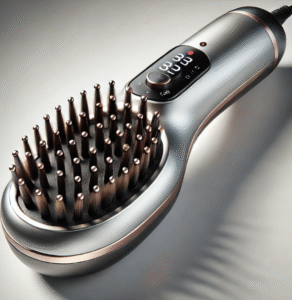
Thermal hair brushes—whether they’re heated smoothing brushes or “dryer brushes” that combine airflow with a round brush—sit at the intersection of beauty, electronics, and consumer-product law. If you’re planning, sourcing, or private-labeling one, understanding the legal landscape isn’t optional; it’s the difference between a product that ships and a product that gets recalled. This guide walks through the key U.S. and EU rules, how they apply differently to straightening brushes vs. dryer brushes, chemical and environmental obligations, and the documentation you’ll need to show if a regulator knocks on your door. ✍️

What counts as a “thermal hair brush,” legally speaking?

In regulatory terms, there are two broad categories you’ll see in the market:

  1. Heated straightening/smoothing brushes (no blower): These are electric grooming appliances that heat and smooth/straighten hair. In the EU, they’re typically evaluated under EN/IEC 60335-1 (base safety) plus EN/IEC 60335-2-23 (appliances for skin or hair care), within the Low Voltage Directive framework. In the U.S., safety compliance generally maps to UL standards for electric personal grooming appliances (UL 859 and related), along with general consumer-product safety duties. (See EU overviews and EN 60335 series references. ProductIPedia+1)

  2. Hair dryer brushes (blower + brush head): In the U.S., anything that meets the definition of a “hand-supported hair dryer” triggers a specific, legally enforceable safety requirement: integral immersion protection in the plug (often an ALCI/GFCI-type device). Products lacking this are deemed a “substantial product hazard” and are recall-eligible. Multiple recent warnings and recalls underscore this point. Federal Register+2U.S. Consumer Product Safety Commission+2

Understanding which bucket your product falls into is step one—because the legal obligations are not identical.

The U.S. framework: CPSC rules, recalls, and practical obligations

1) CPSC immersion-protection rule for hand-supported hair dryers.
Since July 28, 2011, any hand-supported hair dryer imported or sold in the U.S. without integral immersion protection (per UL 859/UL 1727) is a substantial product hazard. Many “dryer brushes” qualify as hair dryers, so this requirement often applies to the brush/dryer hybrids. If your product lacks the protection device in the plug, it’s at risk for immediate enforcement and recall. Federal Register

Recent enforcement illustrates the point. In 2025, the CPSC issued public warnings telling consumers to stop using certain hair dryer brushes that lacked immersion protection and cited them as violating federal regulations. A separate Remington hair dryer recall involved more than 56,000 units for the same hazard. These actions show how closely the agency is monitoring this category. U.S. Consumer Product Safety Commission+1

2) General consumer-product safety obligations.
Even if your brush is the heated-only type (no airflow), you still owe baseline duties: ensuring electrical safety, fire/shock protection, proper labeling, traceability, and incident reporting if you learn of a substantial risk. Voluntary standards (e.g., UL 859) are often used to demonstrate due care. Notably, immersion-protection requirements have been empirically tied to dramatic reductions in electrocution risk—another reason to evaluate protective measures even where not strictly mandated. PubMed

3) Cosmetics vs. devices: where does FDA fit?
A thermal hair brush is not a cosmetic (cosmetics are products applied to the body), and it’s not a medical device unless you’re making therapeutic claims. Still, if you bundle the brush with a cosmetic (e.g., a heat-activated serum), remember that cosmetics do not receive FDA premarket approval (except color additives) but must comply with labeling and safety requirements under U.S. law. U.S. Food and Drug Administration

4) Chemicals and warnings (California).
Cords, plastics, flame retardants, and solders can implicate California Proposition 65. If your product exposes users to listed chemicals at significant levels, you’ll need a “clear and reasonable” warning, and as of 2025 updates, short-form warnings generally must name at least one listed chemical. Manufacturers selling nationwide often apply Prop 65 warnings for California sales to reduce legal risk. National Law Review+1

The EU/UK framework: CE/UKCA, LVD, RoHS, and market surveillance

1) Electrical safety under the Low Voltage Directive (LVD).
In the EU, thermal hair brushes fall under LVD and must meet EN/IEC 60335-1 plus the applicable -2 part—EN/IEC 60335-2-23 for hair/skin-care appliances. Compliance is typically demonstrated via third-party testing, a technical file, a Declaration of Conformity, and appropriate CE marking (UKCA in Great Britain). EU Safety Gate alerts show that noncompliant hair-care appliances are removed from the market for failing these requirements. ProductIPedia+2D.L.S. Electronic Systems, Inc.+2

2) Substances restrictions (RoHS) and environmental compliance.
Because a thermal hair brush is electrical/electronic equipment, it must satisfy RoHS (limits on lead, mercury, cadmium, certain flame retardants, etc.) and, where applicable, WEEE obligations (producer registration, take-back, and marking). RoHS noncompliance remains common; don’t gloss over material declarations and test reports. Environment+1

3) Chemical safety (REACH/Prop 65 vs. EU).
While California’s Prop 65 is a U.S. state warning regime, the EU’s REACH system addresses chemicals through restrictions, authorization, and communication duties (e.g., SVHC communication in articles). If your brush uses plasticizers or flame retardants that are restricted or listed, procurement and documentation must reflect that. (See RoHS/chemical compliance primers and official summaries.) HQTS

Distinguishing heated brushes from dryer brushes: why it matters

From a legal perspective, the presence of airflow can push your product into the “hand-supported hair dryer” category in the U.S., which then mandates immersion protection. If your thermal brush blows air, assume you need a plug-integrated protective device that passes the applicable UL requirements. If it’s heat-only, you still need robust electrical safety, thermal cutoffs, enclosure/material safety, and reliable temperature control to avoid burns or fires—but the specific hair-dryer immersion rule may not apply. When in doubt, test both ways and document your reasoning. Regulators frequently cite noncompliant dryer brushes in warnings and recalls—an avoidable pitfall with correct design and qualified plugs. Federal Register+1

Labeling, documentation, and traceability: what buyers and regulators expect

  • Technical file / test reports. Keep current UL/IEC reports, risk assessments, circuit diagrams, material declarations (RoHS), and thermal testing.

  • Declarations. Maintain EU DoC (and UK DoC where applicable) and keep copies with importers/distributors.

  • Markings. CE/UKCA marks (where required), electrical ratings, warnings, and any necessary Prop 65 statements for California.

  • Traceability. Use tracking labels (lot/date codes) to enable targeted corrective action.

  • Surveillance readiness. EU market authorities and the CPSC routinely review high-risk appliance categories; recent U.S. actions against non-immersion-protected dryer brushes are a reminder that documentation is only half the job—the plug hardware must match the paperwork. U.S. Consumer Product Safety Commission

Platform distribution and evolving enforcement

If you sell through large marketplaces, note the evolving liability landscape. The CPSC has pressed platforms to take responsibility for recalls of unsafe third-party goods, a trend closely watched by legal reporters and in recent commission decisions. This matters because platforms can delist or block shipment fast if your brush runs afoul of safety rules. For ongoing legal developments, see Law360’s coverage of CPSC authority over platform recalls and Reuters Legal’s reporting on CPSC governance and enforcement climate. Law360: CPSC & Amazon Recall Powers ; Reuters Legal: CPSC Leadership/Enforcement Context. Law360+1

Chemicals, cords, and consumer warnings: the Prop 65 angle

Even compliant electronics can trigger Prop 65 duties based on listed chemicals in plastics, cord jackets, or flame-retardant systems. California’s 2025 updates tighten short-form labeling by requiring at least one chemical name per hazard endpoint in the warning. If you sell nationally, set up your packaging artwork to toggle California warnings and make sure your supplier declarations and lab reports identify potential listed chemicals early. For rule change details and practical impact assessments, see The National Law Review’s coverage. National Law Review: Prop 65 Short-Form Changes. National Law Review

(For official Prop 65 lists and business FAQs, the OEHHA site provides primary references.) OEHHA+1

Real-world lessons from recalls and warnings

  • Immersion protection isn’t optional for dryer brushes. Multiple 2025 warnings and recalls targeted hair dryer brushes lacking the protective plug device, with instructions for consumers to stop use and seek a remedy. If your design combines airflow with a brush head, budget the plug hardware and certification from day one. U.S. Consumer Product Safety Commission+1

  • EU market surveillance is active. Noncompliant hair-care appliances are flagged via Safety Gate, often citing failures against EN 60335-2-23 and the Low Voltage Directive. European Commission

  • Material compliance is still a trap. Enforcement studies and third-party labs report persistent RoHS failures in small appliances; do not rely solely on vendor certificates—verify with accredited testing and supply-chain controls. Intertek

Practical compliance checklist for a thermal hair brush manufacturer ✅

  1. Classify your product correctly. Airflow + brush = likely “hand-supported hair dryer” in the U.S. → immersion protection required. Heat-only brush = evaluate under grooming-appliance standards, but still manage shock, fire, and burn risks. Federal Register

  2. Design for safety. Integrate protective devices (ALCI/GFCI-type), thermal fuses/thermostats, and robust insulation; validate with UL/IEC testing.

  3. Document everything. Technical file, DoC/UK DoC, RoHS material declarations, risk assessments, and traceability labels. Environment

  4. Plan for Prop 65. Screen materials early; if warnings are needed for California, update artwork to reflect short-form chemical-name requirements. National Law Review

  5. Vet your supply chain. Require accredited lab reports for each critical component (plug, cord, heating elements, PCB, plastics).

  6. Monitor enforcement. Subscribe to CPSC and EU Safety Gate alerts; update designs if standards or interpretations shift. U.S. Consumer Product Safety Commission+1

  7. Plan marketplace compliance. If selling on platforms, expect documentation audits and swift takedowns for safety gaps; track evolving case law and agency stances via reputable law news outlets. Law360 ; Reuters Legal ; National Law Review. Law360+2Reuters+2

Law News 📰

(Each used once, as requested.)

Conclusion: Compliance is a product feature—design it in from day one 💡

The law doesn’t treat every thermal hair brush the same. If you’re building a Thermal Hair Brush, immersion protection in the plug is a legal must-have in the U.S.—and regulators are actively enforcing it. If you’re producing a heated-only brush, you still have to meet rigorous electrical-safety, chemical, and environmental rules (UL/IEC, RoHS, Prop 65, and more). Across both categories, your best defense is a proactive compliance program: classify the product correctly, design with protection devices, verify with accredited tests, maintain airtight documentation, and track evolving enforcement and law-news updates. Done right, compliance becomes part of your value proposition—protecting users, enabling global market access, and keeping your brand off the recall list. Environment+3Federal Register+3U.S. Consumer Product Safety Commission+3


Key sources and official references used in this guide:
CPSC rule and guidance for hand-supported hair dryers; recent CPSC warnings/recalls for dryer brushes; EU LVD/EN 60335 references and Safety Gate alerts; RoHS official objective summary; FDA authority overview for cosmetics; National Law Review updates on Prop 65 short-form changes. National Law Review+9Federal Register+9U.S. Consumer Product Safety Commission+9


Navigating the Legal Currents: Understanding Water Well Tank Regulations in the U.S.

Law News for Well Tanks

Water well tanks—integral to private and community water systems—operate under a complex legal framework designed to protect public health, groundwater integrity, and environmental safety. Whether you’re a homeowner, contractor, or local official, understanding the laws governing well tanks is critical. This article delves into the multifaceted regulations—from federal Safe Drinking Water laws to state and local permitting rules—illuminating rights, responsibilities, and recent legal developments. Let’s dive in! 💧


The Foundation: Federal Frameworks for Water Safety

At the federal level, the Safe Drinking Water Act (SDWA) stands as the cornerstone of public water safety. Administered by the EPA, the SDWA mandates standards for public water systems and wellhead protection programs. Importantly, it excludes private wells from direct regulation, placing responsibility for water quality on well owners themselves. However, provisions like the Wellhead Protection Program require states to safeguard groundwater sources used by public systems, including managing land use and contamination risks around wells. Wikipedia+1

Parallel environmental statutes, such as the Clean Water Act, indirectly support groundwater protection, though they primarily regulate surface water. Wikipedia


State and Local Layers: Permit Requirements & Construction Standards

Regulating Private Wells: Gaps and Responsibilities

Private wells, especially those serving fewer than 25 individuals or 15 connections, typically fall outside federal oversight. Owners must ensure water safety, including testing and treatment. CDC

Yet, states are filling regulatory gaps. In Massachusetts, proposed legislation seeks to impose statewide water-quality standards for private wells and offer remediation assistance for issues such as PFAS contamination. RCAP Solutions |

Other states show varied approaches: only a small percentage require landlords to test and disclose well-water quality or mandate disclosure during home sales. For instance, Maryland’s 2021 law mandates landlords test private wells every three years, disclose results, notify authorities, and provide alternative water if contamination occurs. PMC

California’s Well Standards: Bulletin 74 and Revisions

California’s Department of Water Resources sets minimum well construction and maintenance standards through Bulletin 74, covering water, monitoring, cathodic protection, and geothermal wells. Although last updated in 1991, an ongoing revision process aims for adoption of a statewide model well ordinance by spring 2026. water.ca.gov

Location, Sealing, and Safety: Construction Requirements

Construction standards also include siting rules designed to shield wells from contamination—requiring separation from pollution sources, flood protection, and proper sealing. For instance, annular surface seals must extend to specified depths (e.g., 20–50 feet depending on type of well) and ensure structural integrity and contaminant prevention. water.ca.gov

In Florida’s Southwest Water Management District, permits are mandatory for most well constructions (repair, modification, abandonment), and work must be done by licensed contractors—except for small wells (≤ 2-inch diameter) serving single-family dwellings or farms, which still require permits. As-built reports are also required within 30 days of completion. swfwmd.state.fl.us

Texas imposes technical rules for drilling and pump installation, including minimum setbacks from property lines (50 ft, or as close as 5 ft with specific annular sealing requirements). License holders must supervise unlicensed assistants. Texas Licensing and Regulation


Municipal Oversight: Local Ordinances and Approvals

Local jurisdictions often add an extra layer of oversight. In Arroyo Grande, California, the city council recently updated its municipal code to shift domestic well approvals from staff-only decisions to more formal pathways involving both the Planning Commission and county permitting—also adding requirements for well destruction protocols. New Times San Luis Obispo

In Santa Clara County, area authorities manage permits and inspections for both well construction and destruction. valleywater.org


Legal Battles & Groundwater Protection: Recent Case Studies

Arizona: Groundwater Pumping as Public Nuisance

In Arizona, the Attorney General sued a Saudi agribusiness subsidiary for excessive groundwater extraction, alleging it constituted a public nuisance that dried up wells and caused land subsidence. Notably, rural Arizona lacks strict pumping regulations—groundwater remains governed by the “rule of reasonable use,” which, critics argue, favors large landowners. The lawsuit seeks to halt extraction and secure remediation funds. AP News

Infrastructure and Regulation: Texas Water Pressure Upgrades

Infrastructure projects, such as installation of elevated storage tanks, also hinge on regulatory compliance. In Fair Oaks Ranch, Texas, a planned elevated water tank is designed not only to bolster pressure and storage, but also to prevent violations of TCEQ (Texas Commission on Environmental Quality) regulations—a direct response to low-pressure risks that nearly triggered a boil-water notice in 2022. Construction is slated for early 2026. MySA


Conclusion

Water well tanks regulation in the U.S. is a layered tapestry—federal frameworks establish safety guardrails for public systems, while private well owners remain largely on their own. States and municipalities fill the gaps through permitting, construction standards, disclosure mandates, and local ordinances. As seen in California, Texas, and Arizona, legal developments and local governance continue to shape how we balance access, safety, and environmental protection.

Key takeaways:
– Private well water is the owner’s responsibility—federal rules don’t apply directly.
– State laws vary widely; some states are moving toward stronger standards and disclosures.
– Construction rules for siting, sealing, and permitting are increasingly strict.
– Local jurisdictions wield authority through ordinances and plan approvals.
– Legal actions and infrastructure updates often reflect groundwater sustainability challenges.

As water needs grow and climate pressures mount, staying informed and compliant isn’t just smart—it’s essential. 💦


Further Reading

  1. California well standards — Bulletin 74 update: California Department of Water Resources. water.ca.gov

  2. Massachusetts private well legislation: RCAP Solutions press release. RCAP Solutions |

  3. Arizona groundwater lawsuit: AP News, legal challenge against excessive pumping. AP News

⚖️ The Law Behind Fuses: Regulations, Safety Standards, and Compliance

Law News for Fuses

When you flip on a light switch or charge your phone, you rarely think about the small but critical component keeping your home, business, or hotel safe: the fuse. Fuses are more than just a piece of electrical hardware—they’re the first line of defense against overloads and short circuits that can lead to devastating fires, property damage, or even loss of life.

Because of their importance, fuses are not just an engineering concern but also a legal one. Electrical laws and safety codes govern how, where, and when fuses must be installed. These laws ensure that buildings—from residential homes to sprawling industrial facilities—operate under safe electrical conditions. Ignoring these regulations can result in fines, lawsuits, and dangerous hazards.

In this article, we’ll explore the laws surrounding fuses, from building codes and national standards to international safety frameworks. ⚡


The Legal Backbone of Fuse Requirements

National Electrical Code (NEC) in the United States

In the U.S., the primary governing body of electrical safety is the National Electrical Code (NEC), published by the National Fire Protection Association (NFPA). This code is widely adopted by states and municipalities, making it a legal requirement in most jurisdictions.

The NEC dictates:

  • The size and type of fuses appropriate for different circuits.

  • Where fuses must be placed to protect appliances and wiring.

  • Maintenance and replacement guidelines for fuse systems.

Failure to comply with the NEC not only risks electrical accidents but can also invalidate insurance claims in the event of an electrical fire.

🔗 Learn more about the NEC at the NFPA official website.


Occupational Safety and Health Administration (OSHA) Standards

Workplaces are subject to OSHA regulations for electrical safety, which include fuse compliance. OSHA requires that all electrical installations, including fuse boxes and overcurrent protection devices, are installed and maintained properly to prevent employee injury.

For example:

  • OSHA enforces standards that prevent overloaded circuits by requiring proper fuse ratings.

  • Employers must provide training for workers handling fuse replacements.

  • OSHA inspectors can issue fines if unsafe fuse setups are discovered.

This is particularly important in industries like construction, manufacturing, and hospitality, where fuse misuse can directly endanger employees and guests.

🔗 Explore OSHA’s standards on electrical safety here.


International Standards: IEC and Beyond

Fuse regulations are not limited to the U.S. The International Electrotechnical Commission (IEC) establishes global fuse standards that influence regulations in Europe, Asia, and beyond. These include:

  • IEC 60269: Standards for low-voltage fuses.

  • IEC 60127: Standards for miniature fuses often used in electronics.

These standards ensure that fuses manufactured and sold internationally meet performance and safety requirements, creating uniformity across borders. This is critical for multinational corporations that need their electrical systems to comply with multiple jurisdictions.

🔗 You can read about IEC fuse standards at the International Electrotechnical Commission.


Why Fuse Law Exists: Safety and Liability

Fire Prevention

One of the leading causes of residential and commercial fires is faulty electrical systems. By law, fuses (or circuit breakers) are required to cut off electrical flow when there’s an overload. Without legal standards in place, property owners could cut corners, putting lives at risk.

Insurance and Legal Liability

Fuse compliance is tied directly to insurance coverage. Many insurance companies require proof that electrical systems are up to code. If an investigation reveals outdated or illegal fuse installations, the insurer may refuse to cover damages.

Criminal and Civil Responsibility

In extreme cases, neglecting fuse laws can lead to criminal charges. If a building owner knowingly ignored electrical codes and a fire caused injury or death, they could face charges such as negligence or even manslaughter.


Case Studies: When Fuse Law Made Headlines

  • Rhode Island Nightclub Fire (2003): Although this tragedy was caused primarily by pyrotechnics, investigators found numerous electrical code violations. Fuse and circuit protection failures contributed to the disaster. This case highlighted how fuse law isn’t just about property—it’s about people’s lives.

  • Workplace Citations: OSHA frequently cites businesses for improper fuse installations. In many cases, fines exceed thousands of dollars, and companies must halt operations until compliance is restored.

These examples show that fuse laws aren’t abstract—they affect real-world safety and business continuity.


Modern Trends in Fuse Regulation

Smart Fuses and Circuit Breakers

As technology advances, many jurisdictions are updating codes to include smart fuse systems that allow remote monitoring and predictive maintenance. Lawmakers are recognizing the role of digital technology in preventing electrical hazards.

Renewable Energy and Electric Vehicles

Fuse law is also evolving with the growth of solar panels and electric vehicles. These systems require new types of overcurrent protection, prompting updates to building codes and international standards.

Global Harmonization

International businesses push for harmonized fuse standards so products can cross borders without modification. For example, an electronic device designed with IEC-compliant fuses is more easily sold in both Europe and the U.S.


Practical Takeaways for Property Owners and Businesses

  1. Know Your Local Code – Always check your city or state’s adoption of the NEC or equivalent codes.

  2. Schedule Regular Inspections – Hire licensed electricians to verify that fuse systems remain compliant.

  3. Train Employees – If your workplace involves fuse maintenance, ensure workers are trained per OSHA standards.

  4. Don’t Cut Corners – Using the wrong fuse may save money upfront but risks catastrophic legal and financial consequences.

  5. Stay Updated – Laws evolve with technology; staying informed keeps you compliant.


Conclusion

Fuses may be small, but their legal impact is massive. From NFPA codes in the U.S. to IEC standards worldwide, fuse law exists to protect lives, property, and businesses. Compliance is not optional—it’s a legal obligation with serious consequences if ignored.

By respecting fuse regulations, you’re not only safeguarding against electrical hazards but also protecting yourself from legal liability, financial loss, and potential tragedy. ⚡🏛️

In short: the law surrounding fuses isn’t just about wiring—it’s about responsibility.


✅ Authority Links Used:

Attic Insulation Laws in 2025: A Practical Legal Guide for Homeowners, Contractors, and Landlords 🏠

Law News for Attic Insulation

Attic insulation looks simple—roll out batts, blow in cellulose, spray foam the rafters, close it up—but the legal framework around it is anything but. Between building-energy codes, federal advertising rules for insulation, safety standards for crews, and emerging climate and habitability laws, there’s a lot to get right. This guide breaks down the major legal touchpoints you should know in 2025 so you can plan projects confidently, avoid fines or failed inspections, and protect the people who live and work in your buildings.

Codes, Laws, and Where They Come From

A helpful starting point is understanding the difference between model codes and enforceable laws. Model codes—like the International Energy Conservation Code (IECC) and the International Residential Code (IRC)—are drafted by expert bodies and then adopted (often with amendments) by states or cities. Once adopted, they’re no longer just guidance; they’re law in that jurisdiction. In 2025, energy codes are a hot legal battleground shaping what counts as “adequate” attic insulation, ventilation, and air-sealing.

A visible example is the litigation over new federal efficiency standards for HUD/USDA-financed housing. Those standards reference modern energy codes and ripple into how attics are insulated in subsidized builds and rehabs. Multiple states and the National Association of Home Builders sued in January 2025, arguing the standards were unlawful and too costly for new construction; Reuters has an accessible explainer on the case and what’s at stake. Reuters: Republican-led states challenge Biden home energy efficiency standards. Reuters

At the state level, courts are also weighing in. Michigan, for instance, paused its rollout of updated residential construction/energy codes in July 2025 pending lawsuits—an example of how quickly compliance targets can shift. Law360 reported on the stay while litigation proceeds, which matters if you’re planning R-values and roof assemblies there. Law360: Michigan Halts Construction Code Rollout Amid Builders’ Suit. Law360

Meanwhile, some jurisdictions are doubling-down on performance laws that indirectly drive insulation upgrades. New York City’s Local Law 97, a landmark emissions cap for large buildings, was upheld this year, reinforcing local authority to regulate building emissions—and, practically, to prod deeper envelope and attic retrofits to cut energy waste. National Law Review: NYC’s Local Law 97 Upheld. National Law Review

The FTC’s R-Value Rule: What Labels, Contracts, and Ads Must Say

No conversation about insulation law is complete without the FTC’s R-Value Rule (16 C.F.R. Part 460). This federal rule governs what manufacturers, retailers, installers, and even new-home sellers must disclose about insulation performance and coverage. In short, if you sell or install attic insulation, your labels, fact sheets, receipts, sales contracts, and advertising claims must accurately present tested R-values and related information so consumers can compare products fairly. Federal Trade Commission

Two provisions matter a lot in attics:

  1. New-home seller disclosures. Sales contracts must disclose the type, thickness, and R-value of insulation in each part of the home (including the attic). If the type isn’t known at contract signing, the seller must give the buyer written disclosures as soon as they know. Legal Information Institute

  2. “R-value per inch” claims. The rule restricts simplistic “per inch” claims because real-world R-values vary by product and installation. If you’re writing spec sheets, sales pages, or estimate notes, make sure you’re stating R-values the way the rule requires. Legal Information Institute

The FTC actively enforces these rules. In 2020 the agency sued several companies over allegedly deceptive claims about insulating coatings—reminding the market that energy-savings claims need sound testing and substantiation. Federal Trade Commission If you promote foam, batts, cellulose, or radiant barriers for attic applications, your marketing must track the rule—full stop.

Permits, Inspections, and Local Adoption Nuances

Whether you need a permit for attic insulation depends on your jurisdiction and the scope of work. Many places exempt basic “like-for-like” insulation from permits but still require code compliance for R-value, ventilation, combustion air clearances, and fire blocking. Jurisdictions that fully adopt newer IECC versions may require higher attic R-values or air-sealing details that didn’t exist in earlier codes.

Because policy is moving fast, keep an eye on local adoption dates, grace periods, and any litigation-related stays (like Michigan’s pause). Court actions can temporarily freeze new code versions, so the R-value you planned last month might be in flux this month. Legal news outlets and local building department bulletins are your best early-warning systems. Law360hilgerhammond.com

Safety and Environmental Rules During Installation

Insulation work triggers occupational safety requirements that are just as binding as energy codes:

• Respirable crystalline silica. Cutting, drilling, or disturbing building materials (and some insulation additives or substrates) can expose crews to silica. OSHA’s construction standard caps exposures and requires controls (e.g., wet methods, vacuums, PPE), medical surveillance in certain cases, and a written exposure plan. If your attic work includes demo or cutting, you’re in OSHA territory. OSHA+1

• Asbestos in older homes. Vermiculite attic insulation and some legacy materials can contain asbestos. EPA’s recent actions under TSCA—including a 2024 ban on ongoing uses of chrysotile asbestos and ongoing litigation/reconsideration steps—underscore the need to identify suspect materials before you disturb them. In many states, testing and licensed abatement are mandatory when asbestos is present. When in doubt, test first. US EPAlawbc.com

• Fire safety and clearances. Cellulose near heat sources, foam near can lights or flues, and poorly detailed air barriers can create hazards that fail inspection or violate code. Manufacturer instructions and code-mandated clearances aren’t “nice to haves”; they are enforceable standards you’ll be judged against at inspection. (If you advertise “meets code,” ensure you actually meet the adopted local code version.)

Rental Properties: Habitability, Heat, and the Attic’s Role

For landlords, insulation and air-sealing can intersect with habitability laws, especially where jurisdictions impose minimum indoor temperature standards or winter heat requirements. New laws and court-tested tenant remedies are expanding in some states. For example, New York updated tenant remedies so renters can sue directly to force repairs and obtain damages in certain circumstances—an approach that strengthens the “fix it now” incentives for building owners when heat and envelope issues leave units unlivable. Planetizen

Cities are also exploring or adopting cooling/temperature requirements given extreme heat trends. These policies, combined with emissions caps in places like New York City, push owners toward better envelopes and attic retrofits to manage both heating and cooling loads within legal limits. National Law Review

Bottom line for landlords: if residents can’t keep safe temperatures due to envelope failures (including thin or missing attic insulation), you may face code enforcement, rent abatements, or lawsuits. Proactive insulation upgrades often cost less than legal exposure and emergency fixes.

Marketing and Contracts: Avoiding Legal Pitfalls

If you’re a contractor or supplier, two documents are your best legal shield: your marketing copy and your contract.

Marketing: Align your claims with the FTC’s R-Value Rule. Don’t imply tax credits or certifications that don’t apply; don’t oversell R-value or energy savings beyond what your test data supports. The 2020 FTC actions against deceptive insulation claims show how quickly a campaign can become a liability. Federal Trade Commission

Contracts and receipts: Put the required insulation details in writing—type, thickness, and R-value by building area for new homes; coverage area and installed thickness for loose-fill; and any limitations that could affect performance (e.g., kneewalls or non-vented roofs). If your local code requires specific R-values or air-sealing tests, reference them explicitly so the scope matches what the inspector will check. Legal Information Institute

A Practical Compliance Roadmap (So Projects Sail Through)

Start with your local code. Confirm the currently adopted IECC/IRC edition and local amendments. Watch for pending changes or litigation stays.

Specify assemblies, not just R-values. Attic performance is a system: insulation, ventilation, air-barriers, thermal breaks, and safe clearances from heat sources. A compliant system avoids moisture and fire issues that attract inspectors’ red pens.

Plan for documentation. Keep product fact sheets, R-value test references, installation instructions, and your receipts/sales contract disclosures on file. If you ever face a complaint or warranty dispute, the FTC’s rule and local code files will be your map. Federal Trade Commission

Protect workers and occupants. Pre-job hazard surveys (asbestos, silica, confined spaces), OSHA controls, and occupant communication plans reduce risk and help you pass both safety inspections and post-work IAQ checks. OSHA+1US EPA

Calibrate your messaging. If you publish case studies or claims like “cuts bills by 40%,” you need substantiation that reflects typical use—otherwise, you’re inviting FTC scrutiny. When in doubt, lean on tested R-values and code compliance rather than splashy savings claims. Federal Trade Commission

Keep an Eye on the Headlines (Because They Change What “Compliant” Means)

Policy shifts can change your attic checklist overnight. Three recent, law-news-grade developments to watch:

• A multistate lawsuit challenging HUD/USDA efficiency standards that reference modern energy codes—and by extension shape attic insulation specs in federally financed housing. Reuters: Republican-led states challenge Biden home energy efficiency standards. Reuters

• A state court pause on Michigan’s updated construction/energy codes, which affects what inspectors can enforce during the stay. Law360: Michigan Halts Construction Code Rollout Amid Builders’ Suit. Law360

• A high-court decision upholding NYC’s building-emissions law, signaling that localities may keep using performance laws that indirectly require tighter envelopes and better attic insulation. National Law Review: NYC’s Local Law 97 Upheld. National Law Review

Conclusion: Insulate Smart, Document Well, and Stay Tuned 🔍

Attic insulation is a small slice of a much larger legal and policy pie. To stay on the right side of the law (and your inspector), anchor your projects to four pillars:

  1. Know your local energy code version and any active litigation that might affect it. Law360

  2. Follow the FTC’s R-Value Rule to the letter in labels, ads, receipts, and contracts. Federal Trade CommissionLegal Information Institute

  3. Keep workers safe and homes healthy by meeting OSHA and EPA requirements during installation, especially for silica and asbestos risks. OSHA+1US EPA

  4. Track emerging habitability and emissions laws that can change what property owners must deliver—and what tenants can demand. PlanetizenNational Law Review

Do those four things, and your insulation jobs will run smoother, your inspections will pass cleaner, and your risk will drop—while the homes you touch stay safer, more comfortable, and more affordable to operate for years to come. That’s a win for the law, for your project, and for the people under that roof. ✅

🏗️ Building Legally in the Lone Star State: Laws Every Texas Pergola Contractor Must Follow

Law News for Pergola Contractor

More Than Just Shade—Why Legal Compliance Matters 🌞⚖️

Building a pergola may seem like a straightforward way to upgrade a backyard, but in Texas, the law sees it differently. Whether you’re an independent contractor or run a full-service outdoor construction business, installing pergolas comes with a set of legal requirements you must follow. From local building codes to state licensing laws, compliance isn’t just smart—it’s essential for avoiding fines, protecting your reputation, and ensuring client satisfaction.

This article will break down the key laws and regulations that pergola contractors in Texas must adhere to. Whether you’re just starting out or scaling your business, consider this your ultimate guide to staying on the right side of the law while you build beautiful outdoor living spaces across the Lone Star State. 🤠


1. Understanding the Scope of Pergola Construction in Texas 🪵

Before diving into legalities, it’s important to define what a pergola is under Texas construction law. A pergola is generally considered an accessory structure—a freestanding or attached outdoor feature typically open on the sides and covered with slats or beams to provide partial shade.

While it may not be as complex as a house addition, it still affects structural integrity, land use, and zoning, which puts it squarely under the jurisdiction of multiple legal and regulatory bodies.


2. Texas Contractor Licensing Requirements 📜

Unlike some states, Texas does not require a general contractor license at the state level for residential pergola construction. However, this does not mean contractors are free from regulation.

✅ Key Rules:

  • Specialty Trades May Require Licenses
    If your pergola includes electrical work (for lighting or fans), plumbing, or HVAC (for misters or heating elements), you’ll need subcontractors who are licensed by the Texas Department of Licensing and Regulation (TDLR).
    👉 https://www.tdlr.texas.gov

  • Municipal Contractor Registration
    Many cities and counties in Texas require contractors to register locally. For example:

  • Home Improvement Contractor Disclosure Requirements
    If the project exceeds $10,000, the Texas Business & Commerce Code may require written contracts and specific disclosures.
    🔗 Texas Business & Commerce Code – Chapter 27


3. Building Permits: The Backbone of Legal Construction 📄

In Texas, permits are typically required for pergolas—especially when:

  • They’re attached to a home

  • They exceed a certain height or square footage

  • They are built over easements or setbacks

  • They include electrical or structural components

Each municipality sets its own rules. Let’s look at a few examples:

🏙️ Austin

🏘️ Dallas

  • Attached pergolas require a building permit and must meet wind load requirements.
    🔗 Dallas Permit Center

🛠️ Pro Tip:

Always check with the local permitting office or your city’s online permit portal before starting any job. If you skip this step, you risk fines, red tags, and even forced removal of the pergola. 😱


4. Zoning and HOA Restrictions 🏡🚫

Even if your city allows pergolas, local zoning ordinances and homeowners’ associations (HOAs) can add another layer of regulation.

⚠️ Common Zoning Restrictions:

  • Minimum distance from property lines

  • Limits on height and size

  • Impervious cover limits (especially important in flood-prone areas)

  • Restrictions on attached vs. freestanding structures

📘 HOA Considerations:

Most HOAs require pre-approval for any exterior structures, and some may have strict design guidelines:

  • Color and material restrictions

  • Maximum allowable dimensions

  • Required landscaping around the pergola

Failing to get HOA approval can result in legal disputes or forced modification/removal—even if you’ve complied with city regulations.


5. Insurance Requirements and Liability Protection 🛡️

Whether or not it’s required by law, every Texas pergola contractor should carry:

  • General liability insurance

  • Workers’ compensation (if you have employees)

  • Commercial auto insurance (if you’re using work trucks or trailers)

Why It Matters:

Clients are getting more savvy and often ask for proof of insurance. If something goes wrong—like a collapsed pergola or injury on-site—you could be personally liable without coverage.

🔗 Texas Department of Insurance

Some municipalities also require proof of insurance before issuing permits or allowing you to register as a contractor.


6. OSHA Safety Compliance 🦺

While pergolas may seem low-risk, OSHA (Occupational Safety and Health Administration) still applies, especially if you’re working at height or using power tools.

🛠️ OSHA Safety Requirements:

  • Use of fall protection if working over 6 feet high

  • Proper scaffolding or ladders

  • PPE (Personal Protective Equipment): eye protection, gloves, hard hats

  • Hazard communication for paints or treated wood

Even a small pergola job can draw scrutiny if a worker is injured.
🔗 OSHA Texas Regional Office


7. Contract Law: Your First Line of Defense ⚖️📝

Your construction contracts must be detailed, legal, and tailored to Texas law. A vague or poorly written contract can lead to payment disputes, legal challenges, and bad reviews.

Key Clauses to Include:

  • Scope of work and materials used

  • Project timeline and payment milestones

  • Permitting responsibilities

  • Warranty and workmanship guarantees

  • Dispute resolution process (mediation/arbitration)

  • Termination conditions

Texas law also gives homeowners a 3-day right of rescission for contracts signed in their home. Make sure your contract includes that notice to remain compliant.
🔗 FTC Cooling-Off Rule


8. Sales Tax and Business Registration 💵

Texas pergola contractors are considered taxable sellers of labor and materials. This means:

  • You must register for a Texas Sales and Use Tax Permit

  • Collect and remit sales tax on most materials and some labor

  • Keep accurate records for audits

You can register your business and get your permit via the Texas Comptroller:
🔗 https://comptroller.texas.gov

If you subcontract any work, make sure your subcontractors are properly licensed, insured, and tax compliant—or you could be held liable for their missteps.


9. Environmental and Stormwater Regulations 🌧️🌳

Even a small pergola can disrupt soil, drainage, or water flow, especially in urban or flood-prone areas. That’s why some municipalities require:

  • Erosion control measures

  • Stormwater runoff management

  • Use of permeable materials for patios or footings

If you’re building in or near:

  • Floodplains

  • Environmentally sensitive zones

  • Protected tree areas

You may need special permits or environmental assessments.
🔗 Texas Commission on Environmental Quality (TCEQ)


10. Ethics and Consumer Protections: Don’t Cut Corners 🙅‍♂️

The Texas Attorney General actively investigates contractor fraud, particularly after storms or in areas with increased home improvement demand.

To avoid legal trouble:

  • Never collect full payment upfront

  • Always provide receipts and written contracts

  • Respect right-of-cancellation laws

  • Avoid high-pressure tactics

Homeowners can file complaints with the Texas Attorney General or Better Business Bureau. Too many complaints can blacklist your business from online platforms and vendor networks.
🔗 Texas Attorney General Consumer Protection


Conclusion: Build Pergolas the Right Way in Texas 🏡🇨🇱

Being a pergola contractor in Texas is about more than just craftsmanship—it’s about building trust, protecting your business, and staying compliant with state and local laws. From permits and insurance to contracts and taxes, there are many moving parts to get right.

By following the laws outlined in this guide, you won’t just stay out of trouble—you’ll stand out as a professional who does the job right, from the first posthole to the final shade slat.

Whether you’re based in Houston, Dallas, Austin, or one of Texas’s many thriving suburbs, following these rules will ensure you build a business as sturdy as the pergolas you craft. 💪


👉 Ready to take your Texas pergola business to the next level? Bookmark this guide and share it with your crew. It’s not just about compliance—it’s about confidence. ✅

🛠️ Build strong. Build smart. Build legal. 🛠️

🌳 Understanding Tree Protection Laws in the U.S.: Preserving Our Urban & Natural Forests

Law News for Tree Protection

Trees are vital to our communities. They clean air, reduce heat, provide shade, support wildlife, and enhance property values. Yet, as development expands, trees are felled—sometimes with little regulation or public oversight. Across the U.S., municipalities and states use a web of ordinances, statutes, and guidelines to balance growth with the essential stewardship of urban and natural forests. This blog delves into these legal frameworks, spotlighting their types, requirements, and true impact on preserving our leafy friends — complete with emojis, authority links, and real-world examples.


1. Tree Ordinance Types: Street, Protection & View 🌲

The International Society of Arboriculture (ISA) categorizes tree laws into three main types:

  1. Street Tree Ordinances – Regulate trees in public rights-of-way, including their planting, pruning, and removal.

  2. Tree Protection Ordinances – Safeguard valuable native, heritage, or municipally designated trees via permitting requirements.

  3. View Ordinances – Help resolve disputes between neighbors when trees obstruct property views or sunlight ncpc.gov+2wwv.isa-arbor.com+2arborday.org+2.

⚙️ Why it matters

Each ordinance type carries distinct obligations—whether tagging, replacing, or protecting trees. Understanding which ordinance applies in your area is the first step toward compliance.


2. Municipal Tree Protections: Orlando, Tampa & Winter Park

✅ Orlando, FL

In recent amendment proposals, Orlando has redefined protected trees, refined mitigation standards, and introduced “timber cruise” sampling protocols for large developments orlando.gov+1cityofwinterpark.org+1.

✅ Tampa, FL

Tampa mandates that no person may prune, cut, damage, or remove any protected tree without a permit issued by the Development & Growth Management Department. Violations bring irreversible fines fic.naturalareasnyc.org+4tampa.gov+4cityofwinterpark.org+4.

✅ Winter Park, FL

Winter Park’s ordinance requires a 1:1 or 1:2 tree replacement ratio based on diameter at breast height (DBH), for every protected tree removed .


3. Federal Laws & Forest Protection

Beyond local laws, several key federal statutes also safeguard trees:

  • The Lacey Act (1900) prohibits interstate trade in illegally harvested timber or plant products; amended in 2008 to include wood products cityofwinterpark.org+15en.wikipedia.org+15epa.gov+15.

  • The Plant Protection Act, FIFRA, and the Endangered Species Act safeguard plant health and habitat integrity on both public and private lands stateforesters.org.

  • The U.S. Forest Service, through Title 16 USC, manages national forests and enforces regulations under the National Forest System .

🌎 Together, they define expansive conservation goals across state and federal lands.


4. Urban Forestry & Viewpoint Rights

Urban forestry efforts shaped early legal frameworks for street trees. For instance:

  • In Massachusetts (late 19th century), municipalities enacted “nail laws”—metal tags in urban trees to protect them.

  • Massachusetts also required tree wardens since 1896, official stewards responsible for municipal trees axios.comen.wikipedia.org.

These early innovations laid the foundation for modern urban forestry initiatives, ensuring accountability and expertise when it comes to care and maintenance.


5. Strengthening Urban Canopy: Case Studies from Cities

🏙️ Nashville, TN

In 2021, Nashville passed Bill BL2021‑829, establishing:

🌳 Atlanta, GA

A draft City Council update (May 2025) would elevate tree removal fees to $260 per trunk inch (from $30) and raise penalties for unauthorized removal from $60,000 to $260,000 per acre axios.com. This marks a significant shift toward accountability and replanting cost coverage.

🌆 Seattle, WA

Seattle boasts tree protections but encountered backlash in late 2024 when a 100-year-old cedar (“Astra”) was legally chopped for ADU development. The incident highlighted the limits of Seattle’s canopy laws axios.comaxios.com.


6. Heavy Penalties & Restoration Mandates

In some states, violations of tree protection laws carry steep consequences:

  • Connecticut’s 2006 Anti‑Encroachment Law allows fines up to $9 million for unauthorized cutting on preserved municipal land, exemplified by the Southbury case in early 2025 ctinsider.com.

💡 Takeaway

When it comes to protected and municipal treasure-trees, the financial risks of overstepping can far exceed the cost of compliance.


7. Ordinances in Canada & the UK – A Comparative Lens

The U.K. employs Tree Preservation Orders (TPOs) to authorize protected trees, but critics argue that inconsistencies persist, and many trees lack protection until it’s too late theguardian.com.

Canada sets an example: in Toronto, all public and private trees are protected by default. Any removal requires a license; illegal cutting can cost C$100,000 theguardian.com.

🏆 Canadian laws often serve as a benchmark for stronger U.S. municipal protections.


8. How Tree Ordinances Work: Process & Enforcement

🛠️ Authorization & Permitting

Typical steps include:

  • Marking protected trees (e.g. ribbon or tag),

  • Submitting proof of permit,

  • Paying fees for removal or mitigation,

  • Often scheduling inspections by an arborist.

🔄 Replacement Requirements

Most laws require replacement trees at a determined ratio relative to DBH or canopy footprint. Guidelines often specify caliper size and species suitability for replanting sarasotafl.gov.

💰 Fines & Enforcement

Violations can trigger fines, legal action, or restoration orders. Many cities allow double or treble restoration fees plus actual damages, with exceptions for unsafe or diseased trees.


9. Key Legal Challenges & Public Policy Debates

  • Development vs. Conservation: Homeowners and developers often argue that buffer-heavy laws detour growth, creating regulatory burdens, while advocates emphasize ecological benefits.

  • Equity & Enforcement: Underserved neighborhoods may see less canopy coverage—and less enforcement. NGOs push for equitable forestry policies.

  • Private Landowner Rights: Generally, homeowners may manage trees entirely on their property—but protected-status trees still require permits. States like Florida vary in their definitions of what is considered “protected” .

  • Inconsistent Penalties: Hefty fines (e.g., CT or Miami) are controversial—some argue they discourage compliance; others claim leniency undermines conservation.


10. Best Practices for Compliance 🌿

  1. Know your local definitions – DBH thresholds, designated species, zones covered.

  2. Engage early – Before development begins, consult local arborists and forestry officials.

  3. Document everything – Photos, marked trees, permits, surveys.

  4. Choose appropriate replanting – Native, non-invasive, well-spaced, species diversity.

  5. Stay updated – Cities like Atlanta and Miami are revising their laws in 2025 mapc.org+1cityofwinterpark.org+1orlando.gov+8axios.com+8axios.com+8.


Conclusion 🎯

From nail-tagged street trees in 19th-century New England to $260-per-inch penalties in modern Atlanta, tree protection laws have evolved, but the challenge endures. A robust, multifaceted legal framework—comprising federal statutes, municipal ordinances, and enforcement protocols—remains essential for preserving our urban and forested landscapes.

Understanding compliance requirements and proactively engaging with regulators is not just a legal necessity—it’s a civic one. Trees are the lungs of our cities and guardians of ecological resilience. They’re truly worth protecting.


🌐 Authority Resources & Further Reading

🧊Can You Legally Sell Stanley Cup Accessories on Amazon? A Guide to Trademark Law, Compliance & Seller Survival

Law News for Stanley Cup Accessories

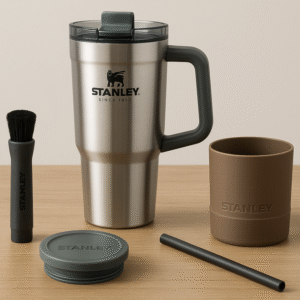
With the Stanley Quencher—popularly called the “Stanley Cup”—becoming a viral sensation on TikTok and Instagram, accessory makers are rushing to cash in. From custom handles and straw covers to silicone boots and bling toppers, the accessory market is exploding.

But before you throw your designs up on Amazon, there’s one thing you must know: you could be breaking the law without realizing it. 🛑

Selling Stanley Cup accessories on Amazon touches a hotbed of legal issues—trademark law, Amazon’s intellectual property policies, product safety regulations, and even ongoing lawsuits that could impact future branding rules.

Let’s break it all down so you can grow your business without losing your store—or worse, facing a cease and desist.


🛡️ 1. The Trademark Maze: What’s Legal, What’s Not

1.1 Who Owns the Stanley™ Brand?

The name “Stanley” in the drinkware world is a registered trademark of Pacific Market International (PMI). You can look up their active trademarks in the USPTO Trademark Database.

Using the word “Stanley” in your listing—especially in a product title or image—without permission is a violation of PMI’s intellectual property rights.

1.2 What You Can Say

It is legal to describe your product as compatible with Stanley 40 oz tumbler or fits most 40 oz tumblers if:

  • You don’t use “Stanley” in your product name or branding

  • You make it clear the product is not affiliated with Stanley or PMI

  • You use a disclaimer like: “Not endorsed by or affiliated with Stanley or PMI.”

More on this from the USPTO’s Fair Use Guidelines.


📦 2. Amazon’s Rules for Branded Accessories

2.1 Brand Registry Enforcement

PMI is registered in Amazon’s Brand Registry, which gives them the power to:

  • Remove unauthorized listings

  • Monitor keyword usage

  • Take down sellers using “Stanley” in titles, bullet points, and back-end keywords

Even mentioning Stanley in your search terms can get you flagged.

2.2 Gated or Restricted Brands

Amazon maintains a running list of Restricted Products. While Stanley might not be gated today, this can change fast if PMI pushes for broader enforcement.


📄 3. Licensing, Fair Use, and Legal Gray Areas

3.1 Getting Permission

If you want to use the Stanley name, images, or logo legally, you must license the rights directly from PMI. Their licensing contacts are available through their website: Stanley1913.com.

Without this license, using “Stanley” on your packaging, product, or Amazon listing puts you at risk for an intellectual property complaint.

3.2 What Counts as Fair Use

You can refer to a brand in nominative fair use, but only when it’s absolutely necessary and doesn’t imply endorsement. The Ninth Circuit’s test for fair use includes:

  • The product must not be easily identifiable without the mark

  • Only so much of the mark is used as necessary

  • The use does not suggest sponsorship

This is supported by rulings like New Kids on the Block v. News America Publishing.


⚙️ 4. Product Safety Laws & Testing Requirements

4.1 U.S. Consumer Safety Rules

If your product is intended for use with food or beverages (like straws or lids), it must meet safety standards established by the Consumer Product Safety Commission (CPSC) and the Food and Drug Administration (FDA).

That means:

  • FDA-approved food-contact materials

  • Certificates of compliance

  • Lab-tested, BPA-free silicone or plastic

Failure to comply can result in Amazon suspensions or U.S. customs seizures.

4.2 Amazon Safety & Documentation Policies

Amazon may ask for:


🌍 5. International Shipping, Tax, and Customs

5.1 Importing from Abroad

Many Stanley Cup accessory sellers use suppliers from China. If that’s you, be sure you understand:

If you’re selling in Canada, refer to Health Canada’s Consumer Product Safety Guidelines.

5.2 Sales Tax Compliance

Marketplace facilitators like Amazon now collect and remit state sales taxes in most U.S. states. But if you’re importing or fulfilling yourself, talk to a tax advisor about nexus laws and VAT/GST.


🧨 6. The Lawsuit That Could Change Everything

In 2025, Stanley Black & Decker filed a trademark lawsuit against PMI, claiming PMI breached a long-standing agreement over the use of the “Stanley” name. The case has drawn attention because it could:

  • Force PMI to rebrand

  • Shift ownership of “Stanley” for drinkware

  • Further limit third-party sellers from referencing the brand

You can follow case updates through Reuters Legal News and PACER if you have access.

If Stanley Black & Decker wins, it could disrupt every seller relying on “Stanley-compatible” language—even those currently skirting the line legally.


✅ 7. Seller Best Practices

Here’s how to stay on the right side of the law—and Amazon:

✅ Do This ❌ Not This
Use “fits 40 oz tumbler” Don’t say “Stanley strap”
Add disclaimers Don’t use Stanley logos or brand colors
Focus on compatibility Avoid referencing trademarked designs
Keep lab testing docs ready Don’t skip safety standards for silicone or plastics
Stay current on court rulings Don’t assume brand enforcement will stay the same

📚 Conclusion: Is It Worth the Risk?

Selling Stanley Cup accessories Amazon is a hot opportunity—but also legally risky if done wrong. You must balance creativity with caution. Stay away from trademarks, get your safety docs in order, and know where Amazon draws the line.

If you plan to build a long-term business, protect yourself now—don’t wait for the takedown notice or lawsuit to hit your inbox.

And remember: just because others are getting away with it, doesn’t mean you will. 🚫

🌿 Understanding Land Clearing Laws: A Comprehensive Guide

Law News for Land Clearing

Land clearing is a fundamental step in land development, agriculture, and construction. However, it involves more than just removing vegetation; it requires navigating a complex web of federal, state, and local laws designed to protect the environment, ensure public safety, and maintain ecological balance. This article delves into the intricate legal landscape surrounding land clearing, with a particular focus on Florida, providing insights into the necessary permits, environmental considerations, and best practices.


Federal Regulations Governing Land Clearing

National Environmental Policy Act (NEPA)

The National Environmental Policy Act (NEPA) mandates that federal agencies assess the environmental effects of their proposed actions prior to making decisions. This includes projects involving land clearing, especially when federal funding or permits are involved. NEPA ensures that environmental factors are considered equally with economic and technical factors in decision-making processes. Wikipedia+1Wikipedia+1

Clean Water Act (CWA)

Under the Clean Water Act, any discharge of dredged or fill material into “waters of the United States,” including wetlands, requires a permit from the U.S. Army Corps of Engineers. Land clearing activities that involve such discharges must comply with Section 404 of the CWA to prevent significant degradation of aquatic ecosystems.

Endangered Species Act (ESA)

The Endangered Species Act prohibits activities that may harm endangered or threatened species or their habitats. Before initiating land clearing, it’s crucial to consult with the U.S. Fish and Wildlife Service to ensure that the activity does not negatively impact protected species.


Florida’s State Regulations on Land Clearing

Florida Department of Environmental Protection (FDEP)

The Florida Department of Environmental Protection (FDEP) oversees environmental management and stewardship, including regulations on land clearing. Activities that may impact wetlands or other sensitive areas require an Environmental Resource Permit (ERP) from the FDEP. floridalandclearing.com

Florida Forest Service Regulations

The Florida Forest Service regulates open burning associated with land clearing. Specific guidelines dictate when and how vegetative debris can be burned, including requirements for air curtain incinerators and restrictions in smoke-sensitive areas. Prodenv+2Florida Department of Agriculture+2Orange County, FL+2Florida Senate

Tree Protection Laws

Florida Statute Section 163.045 allows property owners to remove trees that pose a danger to persons or property without obtaining a permit, provided they have documentation from a certified arborist or licensed landscape architect. Florida Legislature


Local Regulations and Permitting Processes

Osceola County

In Osceola County, land clearing for single-family residential development requires a permit. Applicants must submit detailed plans and assume responsibility for compliance with all applicable laws. Osceola

Bay County

Bay County mandates land clearing permits for parcels over three acres, which must be issued in conjunction with a development order. For parcels under three acres, permits can be obtained from the Planning and Zoning Division. baycountyfl.gov

Martin County

Martin County requires a Land Clearing Plan to be submitted with building permit applications. Land clearing cannot commence until the building permit, including the approved Land Clearing Plan, is issued. Martin County+1baycountyfl.gov+1

Brevard County

Brevard County offers a Small-Scale Land Clearing Permit for activities that do not impact wetlands or protected species. The permit is valid for 30 days from the date of issuance. baycountyfl.gov+2Default+2Smith Trucking+2


Environmental Considerations

Wetlands and Protected Areas

Clearing land in or near wetlands requires careful planning and adherence to both federal and state regulations. Permits from the FDEP and possibly the U.S. Army Corps of Engineers are necessary to ensure that these sensitive ecosystems are protected. floridalandclearing.com

Wildlife Protection

Florida is home to numerous endangered and threatened species. Before clearing land, it’s essential to conduct wildlife assessments to ensure that habitats are not disrupted, complying with the Endangered Species Act and state regulations.ShadowCat Services, Inc.


Best Practices for Compliance

  1. Conduct Preliminary Assessments: Evaluate the presence of wetlands, protected species, and other environmental factors before planning land clearing activities.

  2. Obtain Necessary Permits: Secure all required federal, state, and local permits before commencing any land clearing operations.

  3. Engage Professionals: Consult with environmental consultants, certified arborists, and legal experts to navigate the complex regulatory landscape.

  4. Implement Erosion Control Measures: Use silt fences, sediment basins, and other best management practices to prevent soil erosion and protect water quality.

  5. Maintain Documentation: Keep detailed records of all assessments, permits, and communications with regulatory agencies.American Legal Publishing+2Orange County, FL+2Default+2


Conclusion

Land clearing is a multifaceted process governed by a combination of federal, state, and local laws aimed at balancing development needs with environmental protection. Understanding and complying with these regulations is essential to avoid legal complications and contribute to sustainable land management. By conducting thorough assessments, obtaining the necessary permits, and implementing best practices, landowners and developers can ensure that their land clearing activities are both legally compliant and environmentally responsible.


Note: The information provided in this article is for general guidance only and does not constitute legal advice. For specific legal concerns, please consult with a qualified attorney or the appropriate regulatory agency.

The Legal Landscape of Plastic Pallet Production: What You Need to Know 🚨📦

Law News for Plastic pallet

In the world of supply chains and logistics, plastic pallets have revolutionized the way goods are stored, handled, and shipped. Their durability, resistance to moisture and pests, and recyclability make them a favored choice across various industries including pharmaceuticals, food and beverage, retail, and manufacturing. But behind the sturdy structure of every plastic pallet lies a complex web of laws and regulations designed to protect consumers, the environment, and international trade.

Whether you’re a manufacturer, distributor, or business owner using plastic pallets, understanding the laws surrounding plastic pallet production is essential to ensure compliance, avoid fines, and maintain a sustainable reputation. In this article, we’ll explore the intricate regulatory frameworks that govern how plastic pallets are made, tested, labeled, and transported — and why staying on the right side of the law is more critical than ever.


1. Plastic Pallet Regulations: The Foundation 🏗️

Plastic pallets are considered durable goods made from materials such as HDPE (high-density polyethylene), PP (polypropylene), or recycled plastics. Unlike wooden pallets, which are often subject to phytosanitary regulations, plastic pallets fall under a different set of laws mainly centered around chemical safety, environmental impact, and international trade compliance.

Key Legal Areas Include:

  • Material Composition Standards

  • Food Safety Compliance

  • Environmental Regulations

  • Occupational Health and Safety Laws

  • Labeling and Traceability

  • Customs and Trade Laws

Each of these areas has its own governing bodies and legal expectations depending on the country or region of operation.


2. Material Composition: Regulating the Ingredients ⚗️

Plastic pallet manufacturers must comply with national and international regulations regarding the chemicals and resins used in production. This is particularly important when pallets are used in industries involving food or pharmaceuticals.

In the United States:

  • The Food and Drug Administration (FDA) regulates plastic materials used in food-contact surfaces. Manufacturers must ensure that the plastic used complies with FDA Code of Federal Regulations Title 21 for indirect food additives FDA CFR Title 21.

  • The Toxic Substances Control Act (TSCA), administered by the EPA, requires chemical substances used in manufacturing to be reported and evaluated for safety. Details at EPA TSCA.

In the European Union:

  • The European Chemicals Agency (ECHA) enforces REACH compliance (Registration, Evaluation, Authorisation and Restriction of Chemicals) which mandates the registration of all substances used in plastic production. Learn more at ECHA REACH.

Failing to meet these standards could result in recalls, export bans, or fines — particularly for pallets used in sensitive supply chains.


3. Food Safety Regulations: Plastic Pallets in the Food Chain 🍏🍞

Plastic pallets are widely used in food manufacturing, storage, and transport because they are easier to sanitize and don’t harbor pests like wood pallets. However, this also means they are subject to strict food safety laws.

Hazard Analysis and Critical Control Points (HACCP):

HACCP plans may include pallet inspections and maintenance as part of a facility’s preventative controls. Improper use of plastic pallets could contaminate food or result in non-compliance during a safety audit.

Global Food Safety Initiative (GFSI):

Many global suppliers require compliance with GFSI standards, which include safe pallet handling protocols. These align with certifications like BRCGS, SQF, and IFS.

Regulators such as the USDA, FDA, and EFSA also play roles depending on the market and intended use.


4. Sustainability and Environmental Regulations 🌱🌍

Sustainability is no longer a buzzword — it’s the law. Plastic pallet production must now comply with numerous environmental standards concerning recyclability, emissions, and post-consumer content.

In the U.S.:

  • The Environmental Protection Agency (EPA) mandates that plastic products adhere to sustainability guidelines under the Comprehensive Procurement Guidelines (CPG). EPA CPG Program

  • Some states like California have passed their own stringent packaging and plastics regulations, such as the Plastic Pollution Prevention and Packaging Producer Responsibility Act (SB 54), which affects pallet manufacturers indirectly.

In the EU:

  • Directive 94/62/EC on packaging and packaging waste requires that plastic pallets be recyclable or reusable.

  • The Circular Economy Action Plan pushes for eco-design of plastic products, which influences how pallets must be made to reduce waste and energy usage.

Greenwashing or false environmental claims are also punishable under various consumer protection laws, so transparency is key. 🌿


5. OSHA and Workplace Safety Standards 🦺

Manufacturing plastic pallets involves heavy machinery, chemical handling, and high temperatures. That’s why facilities must follow safety laws to protect workers.

Key Requirements:

  • Occupational Safety and Health Administration (OSHA) in the U.S. mandates training, machine safety protocols, and PPE for workers. More info at OSHA.

  • Lockout/Tagout procedures, fire safety plans, and chemical hazard communication are legally required in all production environments.

Failure to comply can result in heavy penalties, factory shutdowns, and worker injury lawsuits.


6. International Trade and Export Compliance 🌐📦

Plastic pallets used in international trade must meet customs and import/export standards. This includes not just the material regulations, but also certifications and documentation.

International Standards:

  • ISPM 15 does not apply to plastic pallets (it’s for wood), but many importers expect similar documentation for hygiene and traceability.

  • Exporters may be required to certify that pallets meet certain standards like ISO 8611 for performance and testing. ISO documentation at ISO.org

Country-Specific Laws:

  • China and India, for example, have import rules requiring full documentation of plastic materials and manufacturing processes.

  • Trade laws enforced by U.S. Customs and Border Protection (CBP) or the European Commission’s DG TRADE must be followed to prevent shipment delays or seizure.


7. Labeling and Product Traceability 🏷️

Laws now require many plastic goods, including pallets, to be labeled for traceability. This includes:

  • Manufacturer information

  • Batch numbers

  • Material identification codes

  • Recyclability labels

Traceability helps in case of recalls, safety investigations, or audits. In the EU, traceability is required under General Product Safety Directive (GPSD) and Regulation (EC) No 1935/2004.

In the U.S., guidelines for Uniform Product Code (UPC) and GS1 Barcoding may also be mandated for large-scale suppliers.


8. Fire Code Compliance 🔥

Plastic pallets, particularly when stored in large quantities, present a significant fire hazard. As a result, building codes and fire safety laws may regulate how and where they are stored.

U.S. Fire Code:

  • The National Fire Protection Association (NFPA) provides standards such as NFPA 13 for sprinkler system design, which may require enhanced systems if plastic pallets are stored indoors.

  • Fire Marshal inspections may cite improper storage as a violation, leading to expensive retrofits or restrictions.

Insurance Implications:

Insurance companies often factor in pallet materials when underwriting policies for warehouses and manufacturing plants. High-risk materials may raise premiums or require facility upgrades.


9. Recycling and End-of-Life Compliance ♻️

Disposal of plastic pallets must follow regulated waste stream policies, especially when they contain industrial residues or chemical exposure.

  • In the U.S., Resource Conservation and Recovery Act (RCRA) dictates how hazardous and non-hazardous plastics must be handled. EPA RCRA Info

  • In the EU, the Waste Framework Directive ensures that end-of-life plastic pallets are not landfilled when recycling is possible.

Some regions even mandate that manufacturers operate or participate in extended producer responsibility (EPR) programs that ensure old pallets are collected and reprocessed sustainably.


10. Industry-Specific Laws 🏭

Depending on the industry where plastic pallets are used, additional regulations may apply:

  • Pharmaceuticals: Must follow Good Manufacturing Practices (GMP) and FDA Drug Supply Chain Security Act requirements.

  • Aviation and Aerospace: May require compliance with military specifications or DoD regulations.

  • Hazmat Logistics: Pallets used to carry hazardous goods must comply with DOT regulations and UN-certified container standards.

Each use case imposes additional responsibilities on manufacturers and users of plastic pallets.


Conclusion: Compliance is Not Optional – It’s a Strategic Advantage ✅

From material safety to environmental sustainability, plastic pallet production is deeply regulated at nearly every level of manufacturing and use. Staying compliant isn’t just about avoiding fines or legal troubles — it’s about protecting your business, your customers, and the planet 🌎.

The good news? Companies that invest in understanding and implementing these legal frameworks stand out as responsible, trustworthy, and forward-thinking leaders in their industries.

By aligning your manufacturing process with local and global laws, your plastic pallets won’t just carry products — they’ll carry your brand’s reputation, integrity, and commitment to quality 💪.

If you’re a manufacturer, distributor, or business owner and you’re unsure whether your plastic pallet meets legal standards, now is the time to seek professional legal and compliance consulting. It’s not just about staying out of trouble — it’s about building a business that lasts.

Understanding the Laws Surrounding Commercial & Medicare Billing 🏥📜

Law News for Medicare Billing

Navigating the world of healthcare billing is no small feat. Whether you’re dealing with private insurers (commercial payers) or the government-run Medicare system, the legal landscape is intricate, highly regulated, and ever-evolving. For medical providers, billing professionals, and healthcare administrators, understanding the legal requirements tied to Commercial and Medicare Billing isn’t optional—it’s critical. ⚖️

Failure to comply with these laws can result in denied claims, audits, hefty fines, or even legal action. And in today’s environment of increasing regulatory scrutiny, ignorance is no defense.

This blog post will break down the legal frameworks that govern both commercial and Medicare billing, including key regulations, compliance requirements, and enforcement actions. Whether you’re a seasoned billing professional or a healthcare provider looking to stay compliant, this guide will give you the legal clarity you need to succeed and stay out of trouble.


Understanding the Basics: What Is Commercial vs. Medicare Billing?

Before diving into the legal frameworks, let’s clarify the difference between the two types of billing:

  • Commercial Billing refers to submitting claims to private insurance companies like Blue Cross Blue Shield, Aetna, Cigna, or UnitedHealthcare. These insurers each have their own policies, reimbursement rates, and contract terms.

  • Medicare Billing involves submitting claims to the Centers for Medicare & Medicaid Services (CMS) for services provided to eligible beneficiaries—typically seniors aged 65+ or individuals with certain disabilities.

Each type has distinct laws, but both require precise documentation, coding, and compliance procedures.


Federal Laws Governing Medicare Billing 🇺🇸

Medicare billing is governed by a complex set of federal laws and regulations. The following are some of the key legal pillars:

1. Social Security Act (SSA), Title XVIII

The Social Security Act, Title XVIII, is the backbone of Medicare. It outlines what services are covered, who is eligible, and how providers are reimbursed. This law mandates that providers only bill for medically necessary services and that all claims must be supported by proper documentation.

📘 SSA Title XVIII Text

2. False Claims Act (FCA)

The False Claims Act (31 U.S.C. §§ 3729–3733) prohibits knowingly submitting false or fraudulent claims to Medicare. Violators can face triple damages and civil penalties per claim.

Example violations include:

  • Upcoding (billing for more expensive services than were provided)

  • Unbundling services

  • Billing for services not rendered

📘 FCA Overview – U.S. DOJ

3. Anti-Kickback Statute (AKS)

The AKS (42 U.S.C. § 1320a–7b(b)) makes it illegal to knowingly offer or receive any form of remuneration in exchange for patient referrals or services covered by Medicare.

This law is especially relevant to relationships between physicians and diagnostic labs, pharmacies, and durable medical equipment suppliers.

📘 Anti-Kickback Statute Summary

4. Stark Law (Physician Self-Referral Law)

The Stark Law (42 U.S.C. § 1395nn) prohibits physicians from referring Medicare patients to entities with which they have a financial relationship, unless an exception applies.

📘 Stark Law Details – CMS

5. Health Insurance Portability and Accountability Act (HIPAA)

HIPAA doesn’t just protect patient privacy—it also governs electronic healthcare transactions and codesets, which directly impact Medicare billing compliance.

📘 HIPAA Administrative Simplification


Laws Governing Commercial Billing 🏦

Unlike Medicare billing, commercial billing is not governed by a single federal law. However, it is subject to a mix of federal and state regulations, as well as contract law.

1. ERISA (Employee Retirement Income Security Act)

ERISA (29 U.S.C. § 1001 et seq.) regulates most employer-sponsored health insurance plans. It preempts state insurance laws in many cases and sets minimum standards for plan administration, claims processing, and appeals.

📘 ERISA Basics – DOL

2. Affordable Care Act (ACA)

The ACA introduced consumer protections and transparency requirements for insurers and providers, including mandatory disclosures, network adequacy, and timely claims processing.

📘 ACA Overview – HHS

3. State Insurance Laws

Each state has its own set of insurance laws that govern how claims must be processed by commercial payers. These laws can regulate:

  • Timely payment (prompt pay laws)

  • Prior authorization

  • Balance billing

  • Dispute resolution mechanisms

You can check your specific state’s regulations via your State Department of Insurance.

📘 NAIC Map of State DOIs

4. Contract Law

At its core, commercial billing is governed by contract law. The agreements between healthcare providers and commercial payers define:

  • Covered services

  • Payment schedules

  • Documentation requirements

  • Appeals and grievance procedures

If disputes arise, contract terms often determine the outcome unless overridden by state or federal law.


Billing Compliance Requirements 📋

Staying compliant means following the law at every stage of the billing process. Here’s what compliance looks like in real-world terms:

1. Accurate Coding

  • Use the latest ICD-10, CPT, and HCPCS codes.

  • Ensure all codes accurately reflect the services performed.

  • Misuse or outdated codes can result in denials or audits.

📘 CMS Coding Resources

2. Medical Necessity

Claims must be supported by documentation that proves services were:

  • Medically necessary

  • Ordered by a licensed provider

  • Appropriately performed

Medicare and most commercial payers will not reimburse for experimental or non-essential procedures.

3. Timely Filing

Both Medicare and commercial plans have strict timely filing limits (often 12 months from the date of service). Missed deadlines typically result in automatic denials.

4. Patient Financial Responsibility

Under the No Surprises Act, out-of-network providers must give good-faith estimates to patients and may not balance bill in certain situations. Commercial payers must also comply with price transparency laws.

📘 No Surprises Act Info


Common Legal Pitfalls & How to Avoid Them ⚠️

Even well-intentioned providers can run into legal trouble. Here are some common pitfalls:

1. Billing for Non-Covered Services

Always verify the payer’s coverage guidelines before providing services. Each payer may have different policies.

2. Failing to Update Provider Enrollment

Medicare and many commercial payers require up-to-date provider credentials and changes in ownership or practice location.

📘 Medicare PECOS Enrollment

3. Improper Use of Modifiers

Incorrect or missing modifiers (like -25, -59, etc.) can trigger denials or allegations of fraud.

4. Overbilling or “Upcoding”

This remains one of the most heavily penalized offenses under both Medicare and commercial billing systems.


Enforcement & Penalties 👮‍♂️

Here’s how violations are handled:

  • Medicare Billing Violations: Investigated by the Office of Inspector General (OIG) and CMS Program Integrity Contractors. Penalties include fines, repayments, exclusion from Medicare, and criminal charges.

📘 OIG Enforcement Actions

  • Commercial Billing Violations: May result in lawsuits, provider contract termination, or investigation by State Attorneys General or insurance departments.


Staying Ahead: Best Practices for Legal Compliance ✅

Here are ways your organization can stay compliant and avoid legal issues:

  1. Regular Staff Training

    • Conduct ongoing training for billing staff, coders, and providers.

  2. Internal Audits

    • Periodically review your claims for errors, patterns of overbilling, and documentation gaps.

  3. Use Certified Coders

    • Certified Professional Coders (CPCs) are trained to code accurately and in line with regulations.

  4. Consult Legal Experts

    • Partner with healthcare attorneys or compliance officers who stay on top of new laws and payer policies.

  5. Maintain Robust EHR and Billing Systems

    • Ensure your software is updated regularly and includes built-in compliance checks.


Conclusion 🎯

The laws surrounding Commercial and Medicare Billing aren’t just background noise—they are the rules of the game. Understanding and respecting them is essential for any healthcare organization looking to stay profitable, credible, and audit-free. 🧠

From the False Claims Act to ERISA, and from HIPAA rules to state prompt pay laws, every layer of healthcare billing carries legal weight. It’s not enough to submit claims—you need to submit them accurately, ethically, and on time.

In a time when regulators are watching closely and patients are more informed than ever, investing in legal compliance isn’t just smart—it’s necessary for survival and growth. ⚙️


Need help navigating the legal maze of Medicare or commercial billing? Consider partnering with certified billing experts or healthcare compliance consultants to protect your business and patients alike.

📞 Stay compliant. Stay protected. Stay ahead.