🏗️ Navigating the Legal Landscape: A Guide for Structural Engineers in Woodbridge, NJ

Law News for Structural Engineer

Structural engineers are the unsung heroes behind safe homes, towering offices, and complex bridges. In Woodbridge, NJ—a township rich in history and development—structural engineers carry an enormous responsibility. But building a safe structure isn’t just about calculations and blueprints. It’s also about complying with a web of local, state, and national laws designed to protect the public.

This article will walk you through the essential laws and standards a structural engineer in Woodbridge, NJ must follow—from licensing requirements and building codes to zoning laws and ethics. Whether you’re a practicing engineer, property developer, or someone hiring a structural expert, understanding these legal guidelines is key to a successful and compliant project. 🧱🛠️

📜 Professional Licensing Laws in New Jersey

🎓 Education and Qualifications

Before any structural engineer can legally practice in New Jersey, they must be licensed by the New Jersey State Board of Professional Engineers and Land Surveyors. To qualify:

  • A degree from a program accredited by ABET is required.

  • If the degree is not from an ABET-accredited institution, additional documented experience and evaluations are typically required.

This ensures that only those with a solid educational foundation are eligible to move forward in the profession. 🎓📐

🧪 FE & PE Exams

After earning their degree, candidates must pass the Fundamentals of Engineering (FE) exam administered by the National Council of Examiners for Engineering and Surveying (NCEES).

Following this, at least four years of work experience under a licensed Professional Engineer (PE) is mandatory. Once complete, the engineer must pass the Principles and Practice of Engineering (PE) exam, also through NCEES.

In New Jersey, an additional Law and Ethics exam is required, covering specific regulations and responsibilities unique to the state. ⚖️📘

📝 Application & Renewal

To officially become licensed, an application must be submitted to the NJ Division of Consumer Affairs along with supporting documents, references, and fees. Engineers must renew their license every two years and complete continued professional competency (CPC) hours to stay current with industry standards.


🏢 Local Ordinances & Building Code Compliance in Woodbridge, NJ

🏗️ Building Permits and Code Adherence

All structural designs in Woodbridge must align with the New Jersey Uniform Construction Code (UCC), which incorporates standards from the International Building Code (IBC).

The Woodbridge Division of Engineering requires engineers to submit site plans and structural calculations for review before permits can be issued. Projects that move forward without appropriate permits can face hefty fines or forced demolition.

🔧 Permits must be obtained before any groundbreaking or renovation starts!

🗺️ Zoning Laws

Zoning compliance is another critical legal requirement. Woodbridge has unique zoning rules that define:

  • Building height restrictions

  • Setbacks from property lines

  • Land usage categories (residential, commercial, industrial)

Structural engineers must verify that their designs align with these zoning maps and ordinances. Learn more by reviewing the Woodbridge Township Zoning Code.

Ignoring zoning rules can stall your entire project. Always double-check with the Zoning Officer or Township Engineer before finalizing plans. 🏘️📏


🏠 Structural Integrity Law in New Jersey

In response to nationwide concerns about aging infrastructure and tragic building collapses (like the Surfside incident in Florida), New Jersey passed new legislation to strengthen building oversight.

🧱 What Is the Structural Integrity Law?

Enacted in January 2024, the New Jersey Structural Integrity Law applies to buildings with:

  • Concrete, steel, heavy timber, or masonry load-bearing systems

  • 3 or more stories and under the governance of community associations

This law requires structural engineers to:

  • Perform baseline inspections for buildings over 15 years old (within 2 years of law enactment)

  • Reinspect every 10 years afterward

  • Submit detailed reports and deficiency notices

🏚️ If you’re a structural engineer in Woodbridge inspecting condominiums, this law is a must-know.

💰 Reserve Studies for Building Maintenance

Community associations must also commission reserve studies to assess long-term funding needs for structural repairs.

  • These studies must be updated at least every five years

  • Engineers play a critical role in identifying cost implications of delayed maintenance

More guidance is provided by the Community Associations Institute – New Jersey Chapter.


⚖️ Ethics and Legal Responsibilities

Structural engineers are bound by a strict Code of Ethics that upholds the integrity of the profession.

As outlined by NSPE – National Society of Professional Engineers, engineers must:

  • Hold paramount the safety, health, and welfare of the public

  • Perform services only in areas of their competence

  • Be truthful in professional reports and statements

  • Avoid conflicts of interest

  • Act for each employer or client as faithful agents

Violations can lead to disciplinary action from the State Board, including suspension or revocation of licensure. 🚫⚠️


🛡️ Insurance, Liability, and Risk Management

In New Jersey, structural engineers often carry professional liability insurance (also known as errors and omissions insurance). This helps protect them from claims related to:

  • Design flaws

  • Calculation errors

  • Code violations

  • Inspection oversights

To minimize legal risk, engineers in Woodbridge should:

  • Maintain detailed documentation of all project phases

  • Follow a consistent review and sign-off process

  • Regularly update knowledge through continuing education credits (CEC)

  • Stay aligned with updates from organizations like the American Concrete Institute and ASCE


🌎 Environmental and Energy Efficiency Laws

New Jersey has implemented aggressive sustainability targets that influence engineering design:

  • Compliance with the NJ Energy Subcode

  • Consideration of LEED principles and green building codes

  • Stormwater management regulations, as outlined by the NJDEP

Any structural engineer in Woodbridge must account for these considerations in their planning and design, especially for larger developments or public infrastructure projects. 🌿🌍


Conclusion

Engineering is about more than steel and concrete—it’s about responsibility. A structural engineer Woodbridge, NJ, must follow a detailed framework of state licensing laws, local zoning ordinances, national building codes, and ethical obligations. This framework exists to protect people, ensure public trust, and support the longevity of the built environment.

From securing your Professional Engineer license to complying with the latest building codes, the legal obligations can seem daunting—but they’re essential. By staying informed, you can design safely, legally, and successfully.

📌 Always stay in touch with these resources for updates and guidance:

By following the law, you’re not just protecting your license—you’re protecting your clients, your community, and your legacy. 🏗️💼👷‍♂️

🛣️ Navigating CDL Driving School Regulations in Seattle: A Comprehensive Guide

Law News for CDL Driving School

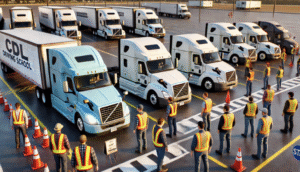
Seattle, Washington, stands as a pivotal hub in the Pacific Northwest’s transportation network. With its bustling ports, expansive roadways, and thriving logistics industry, the demand for skilled commercial drivers is ever-growing. Central to this demand is the role of Commercial Driver’s License (CDL) driving schools, which are instrumental in training the next generation of drivers. However, operating a CDL driving school in Seattle isn’t merely about providing instruction; it requires strict adherence to a complex web of federal and state regulations designed to ensure safety, competence, and professionalism in the trucking industry.

This comprehensive guide delves into the myriad laws and requirements that CDL driving schools in Seattle must navigate, offering insights for prospective school operators, instructors, and students alike.


Understanding CDL Classifications and Requirements

CDL Classifications

In Washington State, CDL licenses are categorized into three primary classes, each permitting the operation of different vehicle types:

Each class may require specific endorsements, such as:watruckingschool.com

Endorsements necessitate additional testing and background checks, especially for hazardous materials, which require Transportation Security Administration (TSA) clearance.watruckingschool.com

Eligibility Criteria

To enroll in a CDL training program in Seattle, applicants must meet the following criteria:

  • Age: Minimum of 18 years for intrastate driving; 21 years for interstate driving.Grays Harbor College

  • License: Possess a valid Washington State driver’s license.

  • Medical Certification: Obtain a Department of Transportation (DOT) medical certificate, confirming physical fitness to operate commercial vehicles.

  • Driving Record: Maintain a clean driving record, free from major violations such as DUIs or reckless driving within a specified timeframe.

  • Language Proficiency: Ability to read, write, and speak English sufficiently to converse with the general public, understand traffic signs and signals, respond to official inquiries, and make entries on reports and records.skagitcitytruckschool.com


Regulatory Framework Governing CDL Driving Schools

Federal Regulations

The Federal Motor Carrier Safety Administration (FMCSA) oversees national standards for commercial driver training. As of February 7, 2022, the Entry-Level Driver Training (ELDT) regulations mandate that:

  • Training Providers: Must be listed on the FMCSA’s Training Provider Registry (TPR).WFIS

  • Curriculum: Must adhere to standardized curricula covering theory (classroom instruction) and behind-the-wheel (BTW) training.

  • Certification: Training providers must certify that each student has successfully completed the required training before the student can take the CDL skills or knowledge test.skagitcitytruckschool.com

These regulations aim to ensure consistency and quality across all CDL training programs nationwide.

Washington State Regulations

The Washington State Department of Licensing (DOL) implements additional requirements for CDL training schools:

  • Licensing: Schools must obtain a license from the DOL to operate legally.

  • Curriculum Approval: Training programs must be reviewed and approved by the DOL to ensure compliance with state standards.

  • Instructor Qualifications: Instructors must hold a valid CDL for the class of vehicle they intend to teach and have a minimum of two years of driving experience.

  • Facility Standards: Schools must maintain facilities that meet safety and accessibility standards, including classrooms, driving ranges, and vehicles that are representative of those used in the industry.

  • Record Keeping: Accurate records of student attendance, progress, and assessments must be maintained and made available for state audits.


Curriculum and Training Requirements

Classroom Instruction

The theoretical component of CDL training encompasses a wide range of topics, including:

  • Vehicle Operation: Understanding controls, instrumentation, and vehicle systems.

  • Safety Protocols: Defensive driving techniques, hazard perception, and accident prevention.

  • Regulatory Compliance: Hours of service regulations, logbook maintenance, and understanding of federal and state laws.

  • Cargo Handling: Proper loading and unloading procedures, weight distribution, and securing cargo.ATDS Truck Driving School+6cdlaclass.com+6Driving Schools+6

  • Emergency Procedures: Responding to vehicle malfunctions, accidents, and hazardous conditions.

Behind-the-Wheel Training

Practical training involves hands-on experience in operating commercial vehicles under various conditions:Davis Law Group

  • Basic Maneuvers: Starting, stopping, turning, backing, and parking.

  • Advanced Driving: Navigating through city traffic, highways, and rural roads.

  • Pre-Trip Inspections: Conducting thorough vehicle inspections to identify potential issues.

  • Coupling and Uncoupling: Attaching and detaching trailers safely and efficiently.

  • Emergency Handling: Simulating scenarios such as brake failure, tire blowouts, and skid recovery.

The FMCSA mandates a minimum number of hours for both classroom and behind-the-wheel training, varying by CDL class.


Instructor Qualifications and Responsibilities

Instructors play a pivotal role in shaping competent and safe commercial drivers. To ensure quality instruction, the following qualifications are required:

  • Experience: A minimum of two years of experience operating commercial vehicles similar to those used in training.

  • Licensing: Possession of a valid CDL for the class and endorsements relevant to the vehicles used in instruction.

  • Background Checks: Successful completion of criminal background checks and driving record reviews.

  • Instructional Skills: Ability to effectively communicate, demonstrate, and assess student performance.

Instructors are also responsible for:

  • Curriculum Delivery: Adhering to approved curricula and adapting teaching methods to accommodate diverse learning styles.

  • Assessment: Evaluating student progress through tests, quizzes, and practical evaluations.

  • Record Maintenance: Documenting student attendance, performance, and any incidents during training.

  • Continuous Improvement: Participating in ongoing professional development to stay current with industry trends and regulatory changes.


Facility and Equipment Standards

A CDL driving school Seattle must maintain facilities and equipment that meet specific standards to provide effective training:

  • Classrooms: Adequate space, lighting, and resources to facilitate learning.

  • Driving Ranges: Designated areas for practicing maneuvers such as backing, turning, and parking.

  • Vehicles: A fleet of well-maintained vehicles representative of those used in the industry, equipped with necessary safety features.

  • Maintenance Records: Detailed logs of vehicle inspections, repairs, and maintenance activities.

  • Safety Measures: Implementation of safety protocols, emergency procedures, and first aid availability.

Regular inspections by the DOL ensure compliance with these standards, and deficiencies must be addressed promptly to maintain licensure.Trucking Injury Law Group


Student Assessment and Certification

Upon completion of the training program, students must undergo evaluations to demonstrate their readiness for commercial driving:

  • Knowledge Test: A written examination covering theoretical aspects of commercial driving.

  • Skills Test: A practical assessment evaluating vehicle inspection, basic control skills, and on-road driving performance.Washington State Department of Licensing

Successful candidates receive a certificate of completion, which is a prerequisite for scheduling the official CDL skills test administered by the DOL.

Schools are responsible for reporting student outcomes to the DOL and maintaining records for a specified period, typically three years.

What Laws Must Front Door Refinishing Companies Follow? A Legal Guide for Ethical and Compliant Services

Law News for Door Refinishing

Front door refinishing companies are in the business of restoring curb appeal, preserving wood integrity, and helping homeowners make that all-important first impression. But while sanding, staining, and sealing may sound like straightforward tasks, this niche industry is subject to a web of legal obligations. From environmental safety regulations to consumer protection laws, refinishing businesses must comply with federal, state, and local laws to operate legally and avoid fines—or worse, lawsuits.

If you run a front door refinishing company or plan to hire one, understanding the legal landscape is essential. This guide will break down the key laws that apply to front door refinishing, explain their implications, and help business owners stay on the right side of compliance ✅.


1. EPA Lead Renovation, Repair and Painting (RRP) Rule

🚨 Federal Law Alert: Lead-Safe Work Practices Are Mandatory

One of the most critical regulations impacting front door refinishing is the EPA’s Lead Renovation, Repair and Painting Rule, known as RRP. This rule applies to any work that disturbs painted surfaces in homes, schools, or child care facilities built before 1978. Why 1978? Because that’s when the federal government banned consumer use of lead-based paint 🧪.

Who Must Comply?
If you are refinishing a front door in a pre-1978 home, and there’s a possibility of disturbing lead paint (sanding, scraping, heating), you are legally required to:

  • Be certified by the EPA or a state-authorized program.

  • Train employees in lead-safe work practices.

  • Follow strict containment, cleaning, and disposal protocols.

Penalties for Non-Compliance:
Failure to comply can lead to fines of up to $43,611 per day 😱.


2. OSHA Regulations for Worker Safety

👷 Protecting Your Team Is the Law

Front door refinishing often involves chemicals, power tools, and exposure to fine dust particles. That’s where the Occupational Safety and Health Administration (OSHA) steps in. OSHA standards are designed to protect employees from hazards on the job.

Key Requirements:

  • Respiratory Protection Standard (29 CFR 1910.134): Workers must use masks or respirators when sanding or applying finishes that produce fumes.

  • Hazard Communication Standard (29 CFR 1910.1200): Workers must be informed of any hazardous chemicals being used (e.g., oil-based stains, strippers).

  • Eye and Skin Protection: Gloves, goggles, and proper clothing must be provided when handling caustic materials.

Recordkeeping Requirements:
OSHA also requires that businesses keep logs of work-related injuries and illnesses for any company with more than 10 employees.


3. State Contractor Licensing Laws

🧾 Are You Licensed to Do This Work?

While refinishing doesn’t always require a general contractor license, many states require specialty or home improvement licenses for this type of work. The exact requirements vary by state.

For example:

  • California: Requires a C-33 Painting and Decorating Contractor License if the job exceeds $500. More info can be found at the California Contractors State License Board.

  • Texas: Does not require a state license for painting or refinishing, but local cities may have permitting requirements.

  • Florida: Requires a registered or certified contractor license depending on the county.

Operating without proper licensure can result in:

  • Civil penalties

  • Criminal charges

  • Loss of business


4. Zoning and Local Permitting

🏡 Local Government Rules Matter Too

Some municipalities have specific rules about operating mobile refinishing businesses, particularly if you’re using trailers or performing work in residential driveways.

Common Local Restrictions:

  • Noise Ordinances: Use of loud sanding equipment may be limited to certain hours.

  • Waste Disposal Rules: Many cities require specific procedures for disposing of chemical waste.

  • Home-Based Business Permits: If you run your refinishing business from your home, you may need special zoning approval.

Always check with your local city or county government office to ensure you’re in compliance 📍.


5. Consumer Protection Laws

🛑 No Misleading Claims, Ever

Most states have consumer protection statutes designed to prevent unfair or deceptive business practices. These rules are enforced by state attorneys general and consumer affairs departments.

Legal Obligations Include:

  • Truthful Advertising: You cannot falsely claim to use “eco-friendly” or “VOC-free” products unless it’s verifiable.

  • Written Contracts: Many states require contracts to include start/end dates, a description of the work, total cost, and cancellation rights.

  • Refunds & Dispute Resolution: Customers must be informed of refund policies in writing.

For instance, the Federal Trade Commission (FTC) also cracks down on unfair business practices nationwide.


6. Insurance & Bonding Requirements

🛡️ Protecting Clients and Businesses Alike

While insurance isn’t technically a law, it’s often a requirement to obtain a business license or work with homeowners’ associations (HOAs) or commercial clients.

Must-Have Policies:

  • General Liability Insurance: Covers damages or injuries that happen on the job site.

  • Workers’ Compensation: Mandatory in most states if you have employees.

  • Surety Bonds: Often required as part of licensing to protect consumers from financial loss.

Not having insurance can expose your company to lawsuits that could shut you down permanently 🚫.


7. Environmental Laws

🌍 You Can’t Just Dump Stain Down the Drain

Many wood stains, sealers, and solvents contain volatile organic compounds (VOCs) and are considered hazardous waste. The Environmental Protection Agency (EPA) and state environmental agencies regulate how these substances are handled.

Regulations to Know:

  • Hazardous Waste Disposal: Leftover chemicals must be taken to authorized hazardous waste facilities.

  • VOC Emission Limits: States like California have strict limits on VOC content in refinishing products. Products that exceed limits may be banned from use.

Failure to follow these laws can result in environmental fines and damage your company’s reputation 💸.


8. Americans with Disabilities Act (ADA) Compliance

🏛️ Refinishing in Commercial or Rental Properties

If your company is refinishing front doors on public buildings or rental properties, your work must not obstruct or violate ADA guidelines. The ADA requires that door handles, signage, and thresholds be accessible to people with disabilities.

Any modifications made during refinishing must maintain or improve accessibility—not limit it.


9. Business Entity & Tax Laws

📊 Form Your Business Correctly

If you’re operating as a sole proprietor or LLC, you must register your business with your Secretary of State and obtain a federal EIN from the IRS. You may also be responsible for collecting and remitting sales tax on your services, depending on your state.

Common Legal Filings:

  • State Business Registration

  • DBA (Doing Business As) Registration

  • Sales Tax Permit

  • Annual Reports & Renewals

Failing to handle your legal filings can result in state penalties or loss of good standing status.


10. Employment and Hiring Laws

👥 If You Hire, You Must Follow HR Law

From background checks to pay laws, refinishing companies that hire employees must follow federal and state labor laws, including:

  • Fair Labor Standards Act (FLSA): Governs minimum wage and overtime pay.

  • Form I-9 and E-Verify: Required to verify employee eligibility to work in the U.S.

  • Anti-Discrimination Laws: Prohibit hiring bias based on race, gender, disability, etc.

Make sure you’re up to date on Department of Labor requirements if you’re building a team.


Conclusion

Front door refinishing might seem like an artistic trade focused on craftsmanship and curb appeal, but it’s also a highly regulated profession. From federal mandates on lead safety and worker protection to local ordinances and business registrations, compliance is not optional—it’s essential.

Running a legal refinishing company means protecting your team, your clients, and your reputation 🔐. It may take time and effort to understand all the laws that apply, but doing so sets your business up for sustainable success and long-term trust.

Whether you’re just starting out or scaling your front door refinishing business, let this legal guide serve as your blueprint. Stay informed, stay insured, and stay compliant—and you’ll keep opening doors to opportunity. 🚪✨

Understanding the Legal Requirements of Operating a Hydraulic Box Dumper ⚖️🔧

Law News for Box Dumper

Safety Meets Compliance in Modern Material Handling

Operating a hydraulic box dumper may seem like just another piece of machinery in the industrial or manufacturing workflow—but beneath its steel frame lies a world of safety regulations, OSHA requirements, and state and federal laws designed to protect workers, businesses, and the public.

Whether you’re a warehouse manager, plant supervisor, or business owner, understanding the laws that govern hydraulic dumpers is essential. Failing to comply with these laws can result in fines, lawsuits, workplace injuries, and costly downtime.

In this article, we’ll break down the regulatory landscape that governs the operation of hydraulic box dumpers, including OSHA standards, equipment certification, environmental considerations, and employee training. By the end, you’ll not only understand what’s legally required—but also how compliance can become a competitive advantage in your operations. 🚀


Section 1: What is a Hydraulic Box Dumper?

A hydraulic box dumper, also known as a tote dumper or container dumper, is a mechanical device designed to safely and efficiently tip containers of bulk material. Commonly used in agriculture, food processing, recycling, and manufacturing, these machines lift and tilt boxes, bins, or carts using hydraulic cylinders to dump contents into another container or processing line.

Their benefits include:

  • Increased productivity 📦

  • Reduced manual labor injuries 💪

  • Consistent material flow and handling efficiency 🏭

However, due to their power and function, hydraulic dumpers also pose significant safety risks—making them subject to various operational laws and regulations.


Section 2: OSHA Regulations for Hydraulic Box Dumpers

The Occupational Safety and Health Administration (OSHA) is the leading authority on workplace safety in the U.S. While OSHA does not have a regulation specifically titled for hydraulic box dumpers, several OSHA standards directly apply. ✅

Machine Guarding – 29 CFR 1910.212

This is one of the most crucial standards. OSHA requires all machinery to be properly guarded to prevent accidental contact with moving parts.

➡️ Read OSHA Machine Guarding Standard

Hydraulic dumpers must be:

  • Fitted with barrier guards or enclosures to prevent access to pinch points

  • Equipped with interlocked gates that stop operation when opened

  • Operated using two-hand controls or remote panels to keep hands away from moving parts

Lockout/Tagout (LOTO) – 29 CFR 1910.147

Hydraulic systems store energy. OSHA mandates that equipment be de-energized and locked out during maintenance.

➡️ Learn about Lockout/Tagout

Operators and maintenance crews must be trained and authorized to:

  • Identify energy sources

  • Apply lockout/tagout procedures

  • Test equipment for zero energy state before servicing

Operator Safety Training – 29 CFR 1910.178 (if using lift trucks)

Although this standard is for powered industrial trucks, OSHA also mandates training for any powered equipment, including hydraulic dumpers.

Training must include:

  • Operating procedures

  • Emergency stop functions

  • Recognizing and avoiding hazards

  • Hands-on evaluation

Failure to provide documented training could result in citations and penalties. 🚨


Section 3: ANSI & ASME Equipment Standards

Outside of OSHA, voluntary standards by the American National Standards Institute (ANSI) and the American Society of Mechanical Engineers (ASME) often become enforced by reference in court or by insurance companies.

ANSI MH30.1 – Industrial Scissor Lifts and Dumpers

This standard outlines design, construction, and maintenance criteria for dumpers.

Key requirements:

  • Structural integrity calculations for hydraulic systems

  • Load testing

  • Emergency stop locations

  • Visibility of operational indicators and labels

ASME B30.20 – Below-the-Hook Lifting Devices

If your dumper includes lifting or tilting functions with attachments, this standard may apply. It covers:

  • Safe lifting practices

  • Load verification

  • Inspection and maintenance schedules

By following ANSI and ASME guidelines, you not only stay compliant but also reduce liability in the event of an accident.

➡️ Explore ANSI Safety Standards

➡️ Explore ASME B30 Standards


Section 4: State-Level Regulations and Licensing

While OSHA sets the federal baseline, states can have their own regulations—especially in California, Washington, Oregon, and other states with OSHA-approved plans.

Examples include:

  • California’s Cal/OSHA Title 8, which includes stricter machine guarding standards.

  • Local licensing for industrial equipment operation.

  • City-specific safety codes for factories, food plants, or construction sites.

Always check with your State Department of Labor or Division of Occupational Safety and Health to ensure you’re following applicable local laws.

➡️ See State Plans for OSHA


Section 5: Environmental Compliance

If your box dumper is used in waste handling, agriculture, or food production, you may also be governed by EPA regulations.

Spill Prevention and Control

Dumping liquid waste or materials that could contaminate water sources falls under the Clean Water Act. Improper use of hydraulic equipment can cause:

  • Hydraulic fluid leaks

  • Contamination of soil or stormwater

  • Improper disposal of dumped material

➡️ Learn about EPA Waste Regulations

To stay compliant:

  • Use spill pans or secondary containment systems

  • Inspect hydraulic lines regularly

  • Train employees on spill response plans


Section 6: Legal Liabilities and Insurance Requirements

Let’s not forget the legal and financial side.

If an accident occurs involving a hydraulic dumper and you’re found non-compliant with any regulation, you could face:

  • OSHA fines (up to $16,131 per violation, or more for willful neglect)

  • Workers’ compensation claims

  • Lawsuits from injured parties

  • Business interruption losses

Insurance carriers may also deny claims if equipment is:

  • Modified outside manufacturer specs

  • Operated without training

  • Not routinely inspected or maintained

Keeping detailed maintenance logs, training records, and safety inspection forms is not just smart—it’s legal protection.


Section 7: Best Practices to Ensure Compliance

Here’s how to proactively meet all regulatory requirements:

✅ Conduct a Job Hazard Analysis (JHA)
Evaluate how the dumper interacts with workers, forklifts, bins, and other equipment.

✅ Create Standard Operating Procedures (SOPs)
Detail exactly how dumpers should be operated, including startup, shutoff, emergency stops, and cleaning.

✅ Establish a Maintenance Plan
Routine checks of hydraulic lines, guards, limit switches, and cylinders can prevent failures and violations.

✅ Provide Ongoing Training and Refresher Courses
Don’t assume once is enough—laws evolve, and so do safety protocols.

✅ Label Clearly and Accurately
Use OSHA-compliant signs and labels to communicate hazards and procedures.

✅ Audit Your Equipment Regularly
Even if everything “seems fine,” regular safety audits can uncover hidden issues.


Conclusion: Compliance is Protection—For Everyone 🛡️

Operating a hydraulic box dumper without a full understanding of the laws, standards, and best practices is like operating a vehicle without a driver’s license—it’s a liability waiting to happen.

By staying up-to-date with OSHA regulations, adopting ANSI/ASME guidelines, and practicing strong internal protocols, you’re not just following the law—you’re creating a safer, smarter workplace.

The cost of compliance is far less than the cost of an accident. Protect your team, your equipment, and your company’s reputation by taking the legal side of operations seriously.


💼 Helpful Resources and Links:

🌳 The Laws Tree Arborists Must Follow: A Complete Guide to Staying Legal in the Canopy

law news for Tree Arborists

Working as a tree arborist is about more than climbing tall oaks and pruning branches — it’s also about complying with a complex set of local, state, and federal laws that govern how trees are managed, preserved, and sometimes removed. Whether you’re a seasoned professional or just entering the industry, knowing the legal landscape is vital to protect your business, your clients, and the environment.

From city ordinances to OSHA regulations and environmental protections, arborists operate in a highly regulated field. In this guide, we’ll unpack the key legal requirements tree arborists must follow across the U.S., what licenses or certifications may be required, and how to avoid costly penalties or lawsuits while working in the treetops. 🌲⚖️


🌿 Understanding the Role of a Tree Arborist

Before diving into the laws, let’s define what a tree arborist actually does. Arborists, also known as tree surgeons, specialize in the care, maintenance, and removal of trees. Their work ranges from trimming branches for safety and aesthetics to diagnosing tree diseases, performing soil analysis, and even advising on landscape planning.

With such a critical role in public and environmental health, arborists are required to follow regulations in:

  • Worker safety

  • Environmental protection

  • Tree preservation

  • Permits and licensing

  • Insurance and liability

Let’s break down each of these categories.


🛡️ OSHA and Arborist Safety Laws

Tree work is inherently dangerous. Arborists often operate heavy machinery, chainsaws, and cranes — all while working at heights. That’s why safety laws, particularly those enforced by the Occupational Safety and Health Administration (OSHA), are essential.

Key OSHA Regulations for Arborists:

  • 29 CFR 1910.269 – Covers line-clearance tree trimming near power lines.

  • 29 CFR 1910 Subpart I – Personal protective equipment (PPE) standards.

  • 29 CFR 1910.147 – Lockout/tagout procedures for controlling hazardous energy.

  • 29 CFR 1910.266 – Logging operations, applicable to tree felling and large removals.

For a comprehensive breakdown of regulations, visit OSHA Tree Care Operations Guide.

✅ OSHA requires employers to:

  • Provide proper PPE (helmets, eye protection, harnesses, etc.)

  • Train employees in safe work practices

  • Maintain equipment and inspect work sites

  • Ensure fall protection systems are in place when working above 6 feet

Failing to comply can result in significant fines, especially if an injury occurs.


📜 Local Tree Ordinances and Removal Permits

One of the most overlooked legal pitfalls for arborists is violating local tree ordinances.

Common Local Tree Laws Include:

  • Tree Removal Permits – Many cities require permits for removing trees over a certain size (usually based on diameter at breast height).

  • Protected Tree Species – Some trees are considered heritage or protected and cannot be removed without special approval.

  • Setback Requirements – Certain trees near property lines or utilities may require special handling.

  • Replacement Mandates – In some municipalities, removed trees must be replaced with specific species.

For example:

⚠️ Tip: Always contact the local planning or forestry department before beginning any tree removal or trimming project.


🌍 Environmental Regulations and Conservation Laws

Tree care also intersects with federal and state environmental laws — especially when work occurs near wetlands, endangered habitats, or stormwater management zones.

Key Environmental Laws Arborists Must Be Aware Of:

  • Clean Water Act (CWA) – Tree work near wetlands or waterways must not disrupt protected areas.

  • Endangered Species Act (ESA) – Tree removal must not impact protected wildlife (e.g., nesting birds or bat roosts).

  • NEPA (National Environmental Policy Act) – Public projects involving trees may require environmental assessments.

🔍 Example: Cutting down a tree with an active bald eagle nest (protected under the Bald and Golden Eagle Protection Act) could result in fines up to $100,000 and even jail time.

✅ Best Practice: Conduct a biological or environmental survey when working in sensitive areas.


📄 State-Level Arborist Licensing and Certification

While arborists are not licensed in every state, some do require specific credentials to legally perform tree work.

States That Require Licensing or Registration for Arborists:

  • Connecticut

  • Louisiana

  • Maine

  • Maryland

  • Massachusetts

  • New Hampshire

  • New Jersey

In these states, tree contractors must pass exams, submit proof of insurance, and register with the state licensing board.

✅ Even in states where licensing isn’t mandatory, certification from the International Society of Arboriculture (ISA) is often required for municipal contracts or high-profile projects. Learn more at the ISA Certification Website.


💼 Business Licensing and Liability Insurance

Even if you’re ISA-certified, you’re not ready to work until your business is compliant.

Business Requirements for Arborists:

  • Business License – Required by most municipalities.

  • Contractor License – Some states classify tree work under contractor laws.

  • Liability Insurance – Essential to protect clients and your business.

  • Workers’ Compensation Insurance – Required if you hire employees.

💡 Pro tip: You should also consider bonding (especially for government or commercial contracts) to give clients added confidence in your services.


🏛️ Laws on Neighbor Disputes and Property Rights

Trees often become a source of legal conflict when branches, roots, or fallen limbs cross property lines.

Key Legal Concepts:

  • Right to Trim – Property owners can usually trim branches that overhang their property — but cannot damage the health of the tree.

  • Duty of Care – Arborists can be held liable for improper work that causes a tree to fall or become hazardous.

  • Encroachment Claims – Removing a neighbor’s tree or working without consent can result in trespassing or property damage lawsuits.

📚 Reference: FindLaw Guide on Tree Disputes

✅ To avoid issues:

  • Get written permission from clients.

  • Review property surveys if the tree is near the boundary.

  • Document tree condition before and after service.


📦 Laws About Tree Waste and Disposal

Tree work generates waste — and it must be disposed of legally.

Legal Requirements Include:

  • Transport Permits – Some states require permits to haul wood, mulch, or debris, especially across state lines.

  • Invasive Species Rules – Certain trees, like ash or elm, may harbor pests and can’t be transported untreated.

  • Landfill Restrictions – Green waste disposal may be regulated or banned in certain landfills.

🪵 Example: Under the USDA Emerald Ash Borer Quarantine Regulations, transporting ash wood from quarantined zones is illegal.


🧾 Contract Law and Written Agreements

Every arborist should protect their business by using written contracts that outline the scope of work, pricing, liability, and any legal disclaimers.

Key Contract Elements:

  • Client name and address

  • Full description of work

  • Timeline and completion terms

  • Liability disclaimers

  • Warranty on work (if applicable)

  • Arbitration or mediation clause

✅ Contracts can help avoid disputes, clarify expectations, and ensure you’re covered in case of litigation.


🔍 Recordkeeping and Documentation Laws

Depending on your state, you may be required to keep logs of:

  • Pesticide or chemical usage

  • Equipment inspections

  • Safety briefings or training

  • Tree condition reports for municipal work

These records protect you during inspections, audits, or legal claims.

📁 Many arborists use digital apps like Arborgold, Jobber, or TreePlotter to stay compliant with documentation requirements.


Conclusion: 🌲 Stay Legal, Stay Respected

Tree care is a noble and necessary profession — but it’s also one that walks a fine legal line. From OSHA safety mandates to environmental laws and local ordinances, tree arborists must be sharp not just with saws but with regulations.

Following these laws doesn’t just keep you out of trouble — it builds trust with clients, protects the environment, and elevates the credibility of the arborist profession.

If you’re looking to hire a certified, law-abiding team of Tree Arborists Near Me or want to ensure your own business is fully compliant, always stay informed and seek legal guidance where needed.

The canopy is high — but so are the standards. 🌳📚

Navigating the Legal Landscape of Cannabis Dispensary Design and Construction in New York​

law news for Cannabis Dispensary Design and Construction

The legalization of adult-use cannabis in New York has ushered in a new era for entrepreneurs and developers. With the passage of the Marijuana Regulation and Taxation Act (MRTA) in 2021, the state established a comprehensive framework for the cultivation, processing, distribution, and sale of cannabis products. Central to this framework is the design and construction of cannabis dispensaries, which must adhere to a complex set of laws and regulations. This article delves into the legal considerations involved in the design and construction of cannabis dispensaries in New York, providing a detailed overview for stakeholders in this burgeoning industry.​

Understanding the Regulatory Framework

The Office of Cannabis Management (OCM) is the primary regulatory body overseeing the cannabis industry in New York. Established under the MRTA, the OCM is responsible for issuing licenses, developing regulations, and ensuring compliance across all sectors of the cannabis market. For dispensary operators, understanding the OCM’s guidelines is crucial for legal and operational success.​

Licensing Requirements

Before embarking on the design and construction of a dispensary, operators must secure the appropriate licenses. The OCM provides detailed guidance on the application process, including requirements for site plans, security measures, and community engagement. Applicants are encouraged to review the State Requirements for Adult-Use Retail Dispensary Licensees to ensure compliance with all necessary criteria.​

Zoning and Location Considerations

Selecting an appropriate location for a cannabis dispensary involves navigating a complex web of zoning laws and proximity restrictions. Under Section 119.4 of the MRTA, dispensaries must not be located within 500 feet of a school or 200 feet of a house of worship. Additionally, local municipalities may impose further restrictions, making it essential for operators to consult with local zoning boards and review the Proximity Protected Locations for Adult-Use Retail Dispensaries map provided by the OCM.​

Design and Construction Standards

The design and construction of a cannabis dispensary must meet specific standards to ensure safety, accessibility, and compliance with state regulations. Key considerations include:​

  • Building Codes: Dispensaries must adhere to the New York State Building Code, which encompasses structural integrity, fire safety, and accessibility requirements.​

  • Security Measures: The OCM mandates comprehensive security protocols, including surveillance systems, alarm systems, and secure storage areas for cannabis products. Detailed guidelines can be found in the Guidance for Adult-Use Retail Dispensaries.​

  • Environmental Controls: Proper ventilation and odor control systems are essential to prevent the escape of cannabis odors, which can be a nuisance to neighboring properties. Compliance with the Clean Indoor Air Act is also required.​

  • Accessibility: Facilities must be accessible to individuals with disabilities, in accordance with the Americans with Disabilities Act (ADA).​

Community Engagement and Local Approvals

Engaging with the local community is a critical component of the dispensary approval process. Applicants are required to notify the municipality or community board of their intent to open a dispensary, providing an opportunity for public input. This step is outlined in Section 119.3 of the MRTA. Building positive relationships with community stakeholders can facilitate smoother approvals and foster goodwill.​

Operational Compliance

Once operational, dispensaries must maintain compliance with a range of regulations governing daily operations. These include:​

  • Inventory Management: Implementing a robust inventory tracking system is essential for monitoring product movement and preventing diversion.​

  • Employee Training: Staff must be trained on compliance protocols, including age verification, product handling, and emergency procedures.​

  • Record Keeping: Accurate records of sales, inventory, and security incidents must be maintained and made available for inspection by regulatory authorities.​


Conclusion

Cannabis Dispensary Design and Construction involves navigating a complex web of legal requirements and regulations. From zoning laws to building codes and security measures, dispensary owners must ensure compliance at every step to operate legally and successfully.

Prospective dispensary owners are advised to consult with legal professionals, architects, and local authorities to ensure their plans align with all applicable laws and regulations. By doing so, they can establish dispensaries that not only meet legal standards but also serve as valuable assets to their communities.

For more detailed information on dispensary construction and compliance, resources such as Canndelta offer comprehensive guides and insights.

Recent Developments

  • Enfield’s Cannabis Dispensary Closure Due to Permit Issues: Enfield’s first cannabis dispensary, Octane Cannabis, was closed shortly after opening due to the lack of required permits. The dispensary lacked an official certificate of occupancy, which is necessary for licensing. CT Insider​

  • Middletown Considers High-End Cannabis Shop: Middletown officials are evaluating a proposal to open a high-end cannabis dispensary on Main Street. The application suggests a 4,600-square-foot dispensary in a former Woolworth building, aiming to contribute to local charities and minority businesses. Middletown Press​

  • California Legalizes Amsterdam-Style Cannabis Cafes: California Governor Gavin Newsom signed Assembly Bill 1775, effective January 1, 2025, permitting licensed cannabis dispensaries and lounges to function like Amsterdam cannabis cafes. This law allows them to sell non-psychoactive food, nonalcoholic drinks, and host live performances. Eater LA

Understanding the Legal Landscape for Concrete Drilling Companies: A Comprehensive Guide

law news for Concrete Drilling

Concrete drilling is a critical component of construction and infrastructure projects, involving tasks such as coring, sawing, and anchoring. While these operations are essential, they also pose significant risks to workers and the environment. To mitigate these risks, concrete drilling companies must adhere to a complex web of federal, state, and local regulations. This article provides an in-depth exploration of the legal requirements governing concrete drilling operations, ensuring that companies remain compliant and uphold the highest safety standards.

Occupational Safety and Health Administration (OSHA) Standards

OSHA plays a pivotal role in setting and enforcing safety standards for the construction industry, including concrete drilling operations. Key OSHA regulations include:

  • General Requirements (29 CFR § 1926.701): This standard mandates that no construction loads be placed on concrete structures unless a qualified person confirms the structure’s capacity. It also requires guarding protruding reinforcing steel to prevent impalement hazards. Source

  • Equipment and Tools (29 CFR § 1926.702): This regulation outlines requirements for equipment used in concrete and masonry construction, such as ensuring concrete mixers have mechanical devices to clear skips and guardrails on each side. It also mandates that powered troweling machines have automatic shut-off controls. Source

Silica Exposure Control

Crystalline silica, a common component of concrete, poses severe health risks when inhaled. OSHA’s Respirable Crystalline Silica Standard requires:

  • Permissible Exposure Limit (PEL): Employers must ensure that workers are not exposed to silica levels exceeding 50 micrograms per cubic meter of air over an 8-hour shift.

  • Exposure Control Methods: Employers can either measure workers’ exposure or implement specified control methods outlined in Table 1 of the standard.

  • Written Exposure Control Plan: A detailed plan outlining tasks involving silica exposure and the methods used to protect workers.

  • Medical Surveillance: Employers must offer medical exams to workers who are required to wear a respirator for 30 or more days per year.

  • Training and Recordkeeping: Workers must be trained on silica risks and the measures in place to protect them. Employers must also maintain records of exposure measurements and medical exams.

California

California’s Division of Occupational Safety and Health (Cal/OSHA) enforces additional regulations:

  • Control of Employee Exposures (Title 8, Section 1530.1): This regulation mandates the use of dust reduction systems, such as water or local exhaust ventilation, during operations that cut, grind, core, or drill concrete or masonry materials. Employers must also provide training on the health hazards of silica exposure and the proper use of control measures. Source

  • Rock Drilling Operations (Title 8, Section 1538): This standard requires dust control measures during rock drilling, such as using water or chemical solutions. It also mandates securing air hoses to prevent whipping and providing fall protection for workers on steep slopes. Source

Florida

While Florida follows federal OSHA standards, companies must also comply with state-specific environmental regulations:

  • Florida Department of Environmental Protection (FDEP): The FDEP oversees environmental regulations, including those related to air and water quality. Concrete drilling companies must ensure that their operations do not violate state environmental laws, such as those governing stormwater discharge and hazardous waste management.

Concrete Sawing and Drilling Association (CSDA)

The CSDA, in collaboration with OSHA, has developed best practices to enhance safety in concrete drilling operations:

  • Reducing Silica Exposure: The CSDA provides guidelines on minimizing silica exposure, including using wet cutting methods and local exhaust ventilation. Source

  • Highway Workzone Safety: The association offers checklists and safety protocols for operations near highways, emphasizing the importance of traffic control measures and worker visibility.

Engineering Controls

Implementing engineering controls is vital for reducing health risks:

  • Dust Collection Systems: These systems capture dust at the source, preventing it from becoming airborne. They are essential for compliance with silica exposure regulations.

  • Water Suppression: Applying water to the cutting or drilling area reduces dust generation.

  • Local Exhaust Ventilation (LEV): LEV systems remove contaminated air from the work area, protecting workers from inhaling hazardous substances.

Conclusion

Compliance with legal and safety standards is non-negotiable for concrete drilling companies. Adhering to OSHA regulations, state-specific laws, and industry best practices not only ensures legal compliance but also protects workers’ health and the environment. By staying informed and proactive, companies can foster a culture of safety and responsibility, laying the foundation for sustainable and successful operations.

Understanding Mold Removal Laws in Naples, Florida: A Comprehensive Guide

law news for Mold Removal

Naples, Florida, with its picturesque coastlines and tropical climate, is a haven for residents and tourists alike. However, the same humidity and warmth that make Naples appealing also create an ideal environment for mold growth. Mold infestations can lead to significant health issues and property damage if not addressed promptly and properly. Understanding the legal framework surrounding mold removal in Naples is crucial for homeowners, tenants, landlords, and property managers to ensure safety and compliance.​

The Prevalence of Mold in Naples

Florida’s subtropical climate, characterized by high humidity and frequent rainfall, makes mold a common concern for property owners. In Naples, the risk is exacerbated by the proximity to water bodies and the potential for flooding during hurricane season. Mold can begin to grow within 24 to 48 hours in moist conditions, making prompt action essential.​miofl.us+2WIRED+2Florida Department of Health+2

Health Implications of Mold Exposure

Exposure to mold can lead to various health issues, particularly for individuals with respiratory conditions, allergies, or weakened immune systems. Symptoms may include coughing, sneezing, skin irritation, and exacerbation of asthma. The Florida Department of Health emphasizes the importance of addressing mold promptly to mitigate health risks .​WIREDFlorida Department of Health

Legal Framework Governing Mold in Florida

While Florida does not have specific statutes solely dedicated to mold, several laws and regulations address aspects of mold assessment, remediation, and landlord-tenant responsibilities.​miofl.us+5The Mold Lawyer+5www.nolo.com+5

Licensing Requirements for Mold Professionals

Under Florida Statutes Section 468.8419, individuals performing mold assessment or remediation must be licensed by the Florida Department of Business and Professional Regulation (DBPR). This ensures that professionals have the necessary training and adhere to industry standards .​Florida Department of Health in Orange+3Florida Legislature+3Florida Department of Health+3

Landlord and Tenant Responsibilities

Florida’s landlord-tenant laws, particularly Chapter 83 of the Florida Statutes, outline the obligations of landlords to maintain rental properties in habitable conditions. While mold is not explicitly mentioned, landlords are required to comply with applicable building, housing, and health codes, which encompass issues related to mold. Tenants have the right to request repairs and, in some cases, may withhold rent if the landlord fails to address significant issues .​The Mold Lawyer+1www.nolo.com+1

Mold Disclosure Requirements

Currently, Florida law does not mandate landlords or sellers to disclose the presence of mold to prospective tenants or buyers. However, failure to address known mold issues can lead to legal disputes and liability for damages .​www.nolo.com+1miofl.us+1

Local Regulations in Naples and Collier County

While state laws provide a general framework, local ordinances in Naples and Collier County may impose additional requirements. For instance, Collier County’s code enforcement addresses property maintenance standards, which can include issues related to mold and moisture control .​Collier County, FL | Home

Best Practices for Mold Prevention and Remediation

Preventing mold growth involves controlling moisture levels within properties. This includes promptly repairing leaks, ensuring proper ventilation, and using dehumidifiers in humid areas. In the event of mold growth, it’s advisable to consult licensed professionals for assessment and remediation. The Florida Department of Health provides guidelines for safe mold cleanup and emphasizes the importance of addressing the underlying moisture problem to prevent recurrence .​brevard.floridahealth.gov+1Florida Department of Health+1fullspecenviro.com+3Florida Department of Health+3ETA Mold+3ETA Mold

Conclusion

Mold poses significant health risks and can lead to substantial property damage if not addressed appropriately. In Naples, Florida, understanding the legal responsibilities and best practices for mold prevention and Mold Removal Naples is essential for property owners, tenants, and landlords. By staying informed and proactive, individuals can ensure safe living environments and compliance with applicable laws and regulations.​Florida Department of Health

References

Navigating the Legal Landscape of Spray Insulation Machine Manufacturing

law news for Spray insulation machine

Spray insulation, particularly spray polyurethane foam (SPF), has become a cornerstone in modern construction due to its superior insulating properties. As demand for energy-efficient buildings grows, so does the need for reliable spray insulation machines. However, manufacturing these machines isn’t just about engineering prowess; it involves navigating a complex web of regulations to ensure safety, environmental compliance, and market viability.

This article delves into the legal requirements and best practices for manufacturing spray insulation machines in the United States, covering occupational safety, environmental regulations, equipment standards, and more.

Understanding Spray Insulation Machines

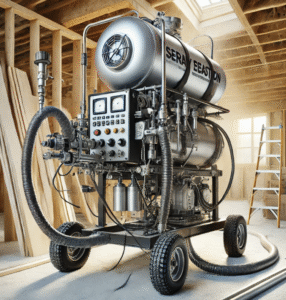
Spray insulation machines are designed to mix and apply SPF by combining two chemical components—commonly referred to as “A” (isocyanate) and “B” (polyol resin) sides. These machines must maintain precise temperature, pressure, and mixing ratios to ensure proper application and performance. Given the chemicals involved, manufacturers must prioritize safety and compliance throughout the design and production process.

Occupational Safety and Health Administration (OSHA) Regulations

OSHA plays a pivotal role in regulating workplace safety, which directly impacts the manufacturing of spray insulation machines.

  • Hazard Communication (29 CFR 1910.1200): Manufacturers must provide clear information about chemical hazards associated with their machines. This includes Safety Data Sheets (SDS) and proper labeling to inform users of potential risks.

  • Respiratory Protection (29 CFR 1910.134): Given the potential exposure to isocyanates during SPF application, machines should be designed to minimize airborne contaminants. OSHA requires employers to implement a respiratory protection program when necessary. OSHA Respiratory Protection

  • Personal Protective Equipment (PPE): Machines should be compatible with PPE requirements, ensuring that operators can safely use them without compromising protective gear. OSHA PPE Guidelines

Environmental Protection Agency (EPA) Regulations

The EPA oversees environmental aspects related to SPF and its application.

  • American Innovation and Manufacturing (AIM) Act: This act mandates the phase-down of hydrofluorocarbons (HFCs), potent greenhouse gases used in some SPF formulations. Manufacturers must ensure their machines are compatible with alternative blowing agents that comply with the AIM Act. EPA AIM Act

  • National Emission Standards for Hazardous Air Pollutants (NESHAP): These standards limit emissions from equipment used in SPF application. Machines must be designed to minimize emissions of hazardous air pollutants. EPA NESHAP

Equipment Standards and Best Practices

Beyond regulatory compliance, adhering to industry standards ensures safety and efficiency.

  • Material Feed Systems: Machines should have feed systems capable of delivering components at appropriate pressures and volumes to prevent cavitation and ensure consistent mixing. SPF Equipment Guidelines

  • Inert Gas Blanketing: To prevent contamination, especially in the “A” component, manufacturers should incorporate inert gas blanketing systems to protect against moisture ingress.

  • Ventilation and Containment: Proper ventilation systems are essential to control chemical exposures during SPF application. Machines should be designed to integrate seamlessly with ventilation setups. EPA Safer Workplace Practices

Fire Safety and Building Codes

Fire safety is a critical consideration in both machine design and SPF application.

  • National Fire Protection Association (NFPA) 33: This standard outlines requirements for spray application using flammable or combustible materials. Manufacturers must ensure their machines meet these safety standards. NFPA 33 Guidelines

  • Building Code Compliance: Machines should be designed to facilitate SPF applications that comply with building codes related to thermal resistance (R-value), fire safety, and installation practices. Spray Foam Insulation Safety & Building Code Compliance

Training and Certification

While not always legally mandated, training and certification enhance safety and professionalism.

  • Contractor Accreditation: Encouraging or requiring operators to obtain certifications ensures proper machine use and adherence to safety protocols. SPF Contractor FAQs

  • Manufacturer Training Programs: Offering training on machine operation, maintenance, and safety can reduce misuse and accidents.

Conclusion

Manufacturing a spray insulation machine involves more than engineering excellence; it requires a thorough understanding of regulatory landscapes and a commitment to safety and environmental stewardship. By adhering to OSHA and EPA regulations, incorporating industry best practices, and promoting proper training, manufacturers can produce machines that not only perform effectively but also uphold the highest standards of safety and compliance.

For further information and resources, manufacturers can consult:

By staying informed and proactive, manufacturers can navigate the complexities of spray insulation machine production, contributing to safer construction practices and a healthier environment.

Understanding the Legal Framework of Dimensional Control Surveys in Texas

law news for Dimensional Control Survey

In industries where precision is paramount—such as construction, shipbuilding, aerospace, and oil and gas—dimensional control surveys (DCS) play a critical role. These specialized surveys ensure that components and structures are accurately measured and aligned according to design specifications, thereby preventing costly errors and ensuring safety. In Texas, DCS are governed by a complex web of legal requirements and standards that professionals must navigate to ensure compliance and avoid legal pitfalls.​

This article delves into the legal landscape surrounding dimensional control surveys in Texas, exploring the various laws, regulations, and standards that govern their execution. By understanding these legal frameworks, professionals can ensure that their surveying practices not only meet technical standards but also adhere to legal obligations.​

The Role of Dimensional Control Surveys

Dimensional control surveys are specialized surveying techniques used to measure and control the precise location and orientation of objects in three-dimensional space. They are essential in verifying that structures and components conform to design plans, thereby ensuring proper fit and function. Industries such as shipbuilding, oil and gas, construction, and manufacturing rely heavily on DCS to maintain quality and safety standards.​

For instance, in the shipbuilding industry, DCS are utilized to verify the alignment and positioning of ship components, ensuring that parts fit together perfectly and reducing the risk of rework and delays. Similarly, in construction, DCS help maintain structural integrity by ensuring accurate alignment and placement of structural elements.​

Legal and Regulatory Framework in Texas

Licensing and Professional Standards

In Texas, the practice of land surveying, including dimensional control surveys, is regulated by the Texas Board of Professional Engineers and Land Surveyors (TBPELS). To become a Registered Professional Land Surveyor (RPLS) in Texas, individuals must meet specific education and experience requirements, pass the required examinations, and undergo a criminal history check. Detailed information about the licensure process can be found on the TBPELS RPLS Application page.​Texas Society of Professional Surveyors+7Texas Engineers and Surveyors+7Texas Engineers and Surveyors+7Harbor Compliance+1Texas Engineers and Surveyors+1Texas Engineers and Surveyors

Surveyors must adhere to the standards set forth in the Texas Engineering and Land Surveying Practice Acts and Rules, which outline the qualifications required for licensure, the standards for professional conduct, and the technical standards for surveying practices. Failure to adhere to these standards can result in legal consequences, including the invalidation of survey results and potential liability for damages.​engineers.texas.gov+1Texas Engineers and Surveyors+1

National Standards

Beyond state regulations, national standards also play a significant role in governing surveying practices. The American Land Title Association (ALTA) and the National Society of Professional Surveyors (NSPS) have established the ALTA/NSPS Land Title Survey standards, which set forth detailed requirements for surveys used in real estate transactions. These standards ensure consistency and reliability in surveying practices across different jurisdictions.​nsps.us.com

The ALTA/NSPS standards cover various aspects of surveying, including the measurement of property boundaries, the identification of easements and encroachments, and the documentation of improvements and utilities. Compliance with these standards is often required in commercial real estate transactions to provide assurance to lenders and title insurers.​

Federal Guidelines

At the federal level, agencies such as the Bureau of Land Management (BLM) have established standards for surveys conducted on federal lands. The BLM’s Manual of Surveying Instructions provides guidance on when and how to involve boundary location experts in land and resource transactions. These standards aim to enhance the management of land boundaries and ensure the accuracy and reliability of survey data used in federal land transactions.​Bureau of Land Management

Legal Considerations in Dimensional Control Surveys

Contractual Obligations

Surveyors engaged in dimensional control surveys often enter into contracts that outline the scope of work, deliverables, timelines, and compensation. These contracts may also include clauses related to liability, indemnification, and dispute resolution. It is crucial for surveyors to understand and adhere to the contractual obligations to avoid legal disputes and potential liability.​

For example, if a surveyor fails to deliver accurate measurements within the agreed timeframe, resulting in construction delays or defects, they may be held liable for damages. Therefore, clear communication, thorough documentation, and adherence to contractual terms are essential in mitigating legal risks.​

Liability and Professional Negligence

Surveyors have a legal duty to perform their work with the level of skill and care expected of a competent professional. Failure to meet this standard can result in claims of professional negligence. For instance, if a surveyor’s inaccurate measurements lead to structural issues or safety hazards, they may be held liable for the resulting damages.​

To minimize the risk of liability, surveyors should maintain comprehensive records of their work, including field notes, calculations, and correspondence. Additionally, obtaining professional liability insurance can provide financial protection in the event of a claim.​

Intellectual Property and Data Ownership

The data collected during dimensional control surveys, including measurements, models, and reports, may be subject to intellectual property rights. Ownership of this data should be clearly defined in contracts to prevent disputes. In some cases, clients may require exclusive rights to the data, while in others, surveyors may retain ownership and grant limited usage rights to clients.​

Understanding and addressing data ownership and intellectual property considerations is essential, especially when surveys involve proprietary technology or methodologies.​

Privacy and Confidentiality

A dimensional control survey may involve access to sensitive or confidential information, particularly in industries like defense or high-tech manufacturing. Surveyors must adhere to confidentiality agreements and take appropriate measures to protect proprietary information.​

In Texas, surveyors are expected to uphold the public’s trust by protecting the health, safety, property, and welfare of the public in the practice of their profession, as outlined