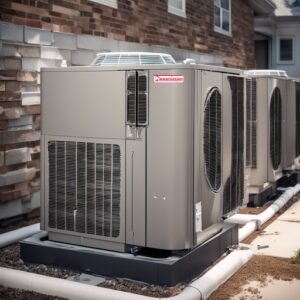
The HVAC (heating, ventilation, and air conditioning) industry is tightly regulated to ensure safety, environmental responsibility, and energy efficiency. As technology advances, new rules emerge, and existing laws are amended to address these developments. Whether you’re an HVAC contractor or a homeowner looking to install or repair a system, understanding the relevant laws is crucial for compliance and long-term benefits.
Licensing Requirements for HVAC Professionals
For HVAC technicians and companies, obtaining the necessary licenses is the first step toward legal operation. Most states and local jurisdictions in the U.S. have specific requirements regarding the education, experience, and certification of HVAC professionals.
Federal Licensing Requirements
HVAC professionals handling refrigerants must obtain certification from the Environmental Protection Agency (EPA) under Section 608 of the Clean Air Act. This ensures that they are trained to safely handle refrigerants that can harm the environment.
State Licensing Requirements
States often mandate additional licensing depending on the scope of work. For instance, in California, HVAC contractors need to acquire a C-20 license, while Texas requires a Class A or Class B Air Conditioning and Refrigeration Contractor License. Requirements for obtaining these licenses include experience verification, passing an exam, and paying licensing fees.
Environmental Laws and HVAC
Environmental regulations have a significant impact on HVAC operations, particularly those related to the handling of refrigerants. The laws seek to mitigate the harmful effects of HVAC systems on the environment, particularly in regard to ozone depletion and climate change.
The Clean Air Act (CAA)
Enforced by the EPA, the Clean Air Act plays a major role in HVAC regulation, especially regarding the phase-out of chlorofluorocarbons (CFCs) and hydrochlorofluorocarbons (HCFCs) in refrigerants. The most significant refrigerant, R-22, is being phased out due to its ozone-depleting potential, and the transition to more environmentally friendly refrigerants like R-410A is mandated.
The Kigali Amendment
An international extension of the Montreal Protocol, the Kigali Amendment sets the stage for the global phase-down of hydrofluorocarbons (HFCs), which are potent greenhouse gases. This amendment affects HVAC manufacturers and installers by requiring the use of refrigerants with lower global warming potential (GWP).
Energy Efficiency Standards
The federal government, as well as individual states, has established energy efficiency standards for HVAC systems to reduce energy consumption and lower greenhouse gas emissions.
Energy Star Program
Managed by the U.S. Department of Energy (DOE) and the EPA, the Energy Star program certifies HVAC equipment that meets specific energy efficiency criteria. The program incentivizes manufacturers to produce more efficient units and offers tax credits or rebates for businesses and homeowners who install certified systems.
The Energy Policy and Conservation Act (EPCA)
The EPCA mandates minimum efficiency standards for HVAC systems, specifically focusing on SEER (Seasonal Energy Efficiency Ratio) ratings for air conditioners and AFUE (Annual Fuel Utilization Efficiency) ratings for furnaces. Over time, these standards have been updated to reflect improvements in technology and energy efficiency.
Safety Standards for HVAC Installations
Safety regulations ensure that HVAC systems are installed and maintained in a way that protects property and lives. These standards cover the installation of electrical wiring, ventilation, and fire safety measures.
National Electrical Code (NEC)
The NEC provides standards for the safe installation of electrical components in HVAC systems, ensuring that systems are properly grounded, circuit breakers are in place, and electrical connections are secure to prevent accidents such as fires or electric shock.
Building Codes
Local building codes often govern the installation of HVAC systems to ensure safety. These codes might specify requirements for ventilation, ductwork, and exhaust systems, especially when dealing with gas furnaces, to prevent carbon monoxide poisoning or fire hazards.
OSHA Regulations
The Occupational Safety and Health Administration (OSHA) establishes safety guidelines for HVAC technicians, covering the proper use of equipment, safe handling of refrigerants, and protocols for working in confined spaces.
Local and State Laws Governing HVAC
While federal laws set the baseline, individual states and municipalities often have their own regulations that impact the HVAC industry.
Permits and Inspections
Many localities require HVAC contractors to obtain permits before performing installation or repair work. These permits ensure that work will be inspected for compliance with local building and safety codes. Failure to obtain a permit can result in fines and the nullification of insurance coverage in the event of system failure.
Energy Efficiency Initiatives
Certain states, like California, have enacted additional energy efficiency measures beyond federal requirements. California’s Title 24 building standards, for example, impose strict guidelines on HVAC installations, requiring energy-efficient equipment, proper system sizing, and periodic maintenance.
Penalties for Non-Compliance
Non-compliance with HVAC laws can result in severe penalties for both contractors and property owners.
Fines and Legal Action
Contractors who fail to follow licensing requirements, mishandle refrigerants, or ignore safety standards can face heavy fines and even criminal charges. Homeowners who attempt to bypass permitting processes or hire unlicensed contractors may also be subject to penalties, and their HVAC system installations could be deemed illegal.
Loss of Certification and Licensure
HVAC professionals who repeatedly violate environmental or safety regulations risk losing their certification or licensure. This can effectively shut down their business and prevent them from working in the industry.
Conclusion
The HVAC near me industry operates under a web of federal, state, and local laws designed to ensure safety, environmental protection, and energy efficiency. Both HVAC professionals and homeowners must stay informed about these regulations to avoid penalties, ensure proper system function, and contribute to environmental sustainability. As technology continues to evolve, so too will the laws governing the industry, requiring ongoing vigilance and compliance.