Navigating the Laws Surrounding Commercial Concrete Contractors

law news for Commercial Concrete

Commercial concrete contractors play an integral role in constructing and maintaining the backbone of modern infrastructure, from office buildings to highways. While their work ensures the durability and safety of structures, it is also subject to stringent laws and regulations designed to promote safety, quality, and environmental responsibility. Understanding these legal frameworks is crucial for contractors, clients, and stakeholders to avoid potential legal and financial liabilities.

This article delves into the key legal considerations surrounding commercial concrete contractors, covering licensing, safety standards, environmental regulations, contract laws, and more. Whether you’re a contractor, project manager, or property owner, this guide provides the insights needed to navigate these regulations effectively.


Licensing and Certification Requirements

To operate legally, commercial concrete contractors must meet specific licensing and certification requirements that vary by state and locality. These requirements typically include:

State Contractor Licenses: Most states require contractors to hold a license for performing commercial concrete work. Obtaining a license often entails passing an exam that tests knowledge of building codes, safety standards, and business practices.

Special Certifications: Certain projects, such as those involving reinforced concrete or seismic retrofitting, may require additional certifications. These certifications ensure contractors have the specialized skills necessary for complex tasks.

Insurance and Bonding: Contractors must carry liability insurance and performance bonds to protect clients from financial losses due to accidents or project delays.

Adherence to Building Codes

Building codes are designed to ensure the structural integrity and safety of buildings. For commercial concrete contractors, this means compliance with:

International Building Code (IBC): Widely adopted across the U.S., the IBC sets standards for materials, design, and construction methods.

Local Amendments: Municipalities often add their own requirements to the IBC, which contractors must follow.

Inspections: Projects are subject to inspections at various stages to verify compliance. Failure to meet code requirements can result in fines or mandatory corrections.

Workplace Safety Regulations

Safety is a top priority on construction sites, and commercial concrete contractors must adhere to regulations established by the Occupational Safety and Health Administration (OSHA):

Fall Protection: Contractors must implement measures to prevent falls, such as guardrails, harnesses, and nets, especially when working at heights.

Equipment Safety: Proper maintenance and usage of equipment like concrete mixers and cranes are essential to avoid accidents.

Hazard Communication: Workers must be informed about potential hazards, such as exposure to silica dust, and provided with appropriate personal protective equipment (PPE).

Recordkeeping: OSHA mandates that contractors maintain records of workplace injuries and incidents for review and compliance audits.

 Environmental Compliance

The concrete industry significantly impacts the environment, and commercial contractors must comply with environmental laws to mitigate this impact:

Stormwater Pollution Prevention Plans (SWPPP): Contractors must manage runoff from construction sites to prevent contamination of water sources.

Waste Disposal: Proper disposal of concrete debris and wastewater is required to avoid penalties.

Air Quality Regulations: Measures must be taken to control dust and emissions, including adherence to standards set by the Environmental Protection Agency (EPA).

Use of Sustainable Materials: Some jurisdictions encourage or mandate the use of environmentally friendly materials, such as recycled concrete.

Contract Laws and Disputes

The legal landscape surrounding contracts is another critical area for commercial concrete contractors. A well-drafted contract helps avoid disputes and protects all parties involved:

Scope of Work: Clearly defining the scope prevents misunderstandings about what the contractor will and will not do.

Payment Terms: Contracts should outline the payment schedule, including milestones and penalties for late payments.

Change Orders: Procedures for modifying the contract due to unforeseen changes, such as weather delays or material shortages, must be included.

Dispute Resolution: Many contracts include clauses for mediation or arbitration to resolve disagreements without resorting to litigation.

Labor Laws and Employee Rights

Commercial concrete contractors must also comply with labor laws to ensure fair treatment of workers:

Wage and Hour Regulations: Contractors must pay at least the minimum wage and overtime as required by the Fair Labor Standards Act (FLSA).

Worker Classification: Misclassifying employees as independent contractors can result in penalties.

Union Agreements: In unionized environments, contractors must adhere to collective bargaining agreements, which may specify wage rates, benefits, and work conditions.

Non-Discrimination Policies: Federal and state laws prohibit discrimination based on race, gender, religion, or other protected characteristics.

Liability and Risk Management

Commercial concrete projects carry inherent risks, making liability management a key legal consideration:

Defects and Warranty: Contractors are often liable for structural defects arising from poor workmanship or substandard materials. Contracts should include a warranty period to address such issues.

Injury Claims: Liability insurance covers accidents involving workers or third parties on-site.

Indemnification Clauses: Contracts may include clauses requiring one party to compensate the other for specific losses or damages.

Emerging Legal Trends in the Industry

The legal landscape for commercial concrete contractors continues to evolve:

Technology Integration: The use of Building Information Modeling (BIM) and other technologies is raising new legal questions about data ownership and accuracy.

Green Building Laws: Many cities are introducing laws requiring contractors to meet energy efficiency standards, such as Leadership in Energy and Environmental Design (LEED) certification.

Gig Economy Impact: As more contractors rely on gig workers, understanding the legal implications of this trend is becoming increasingly important.


Conclusion

The laws surrounding commercial concrete contractors are multifaceted, encompassing licensing, safety, environmental compliance, and more. These regulations are designed to ensure that projects are completed safely, ethically, and sustainably. For contractors, understanding and adhering to these laws is not just a legal obligation—it’s a cornerstone of professional integrity and reputation.

For clients and stakeholders, working with knowledgeable and compliant contractors mitigates risks and fosters trust. Staying informed about the legal landscape and emerging trends ensures all parties contribute to the successful and lawful execution of commercial concrete projects.

By prioritizing compliance and risk management, the commercial concrete industry can continue to build the foundations of society while upholding the highest standards of safety and quality.


Understanding the Legal Landscape Surrounding 24-Hour Urgent Care Centers

law news for 24 Hour Urgent Care

In today’s fast-paced world, access to healthcare around the clock is a critical component of a thriving healthcare system. 24-hour urgent care centers bridge the gap between traditional primary care and emergency departments, providing timely care for non-life-threatening conditions. However, like all healthcare facilities, these centers operate under a complex web of laws and regulations designed to ensure quality care, patient safety, and operational integrity. Understanding these legal requirements is essential for anyone managing or seeking care from a 24-hour urgent care facility.

24-Hour Urgent Care

Urgent care centers have become an integral part of healthcare delivery, offering immediate attention for injuries and illnesses that require prompt medical intervention but are not severe enough to warrant a visit to the emergency room. The 24-hour model further enhances accessibility by catering to patients outside standard operating hours.

However, operating around the clock introduces unique legal challenges. These facilities must comply with federal, state, and local regulations, including licensing, staffing requirements, patient rights, and reimbursement laws. This article explores the legal framework surrounding 24-hour urgent care centers, shedding light on the key laws that govern their operations.


Federal Regulations Impacting 24-Hour Urgent Care

EMTALA Compliance

The Emergency Medical Treatment and Labor Act (EMTALA) primarily applies to hospitals with emergency departments, but its principles influence urgent care operations, especially if they advertise emergency-like services. EMTALA requires facilities to screen, stabilize, and transfer patients regardless of their ability to pay. While not all urgent care centers fall under EMTALA, those providing similar emergency services must be cautious about compliance to avoid legal penalties.

HIPAA and Patient Privacy

The Health Insurance Portability and Accountability Act (HIPAA) governs the protection of patient information. 24-hour urgent care centers must ensure robust systems to safeguard electronic health records (EHR) and prevent unauthorized access to patient data. Violations can result in hefty fines and damage to a center’s reputation.

OSHA and Workplace Safety

The Occupational Safety and Health Administration (OSHA) mandates safety standards to protect healthcare workers. For 24-hour facilities, ensuring compliance with OSHA regulations is vital to address risks associated with extended hours, such as worker fatigue, exposure to infectious diseases, and workplace violence.


State and Local Laws

Licensing and Accreditation

Each state has specific licensing requirements for urgent care centers. These include stipulations on the qualifications of healthcare providers, the types of services offered, and facility standards. Some states require accreditation from recognized bodies like the Urgent Care Association (UCA) or The Joint Commission.

Scope of Practice for Healthcare Providers

State laws determine the scope of practice for medical professionals, including nurse practitioners and physician assistants. 24-hour centers must adhere to these guidelines to ensure that their staffing models are compliant and capable of delivering quality care.

Controlled Substances Regulations

Handling and prescribing controlled substances require strict adherence to state and federal laws. Urgent care centers must maintain accurate records and secure storage for medications to comply with the Controlled Substances Act (CSA) and corresponding state regulations.

Zoning and Building Codes

Local governments regulate zoning and building codes for healthcare facilities. These laws influence where a 24-hour urgent care center can be established and impose requirements on physical infrastructure, such as accessibility, fire safety, and sanitation.


Operational Challenges and Legal Considerations

Malpractice and Liability Risks

Given their role in providing immediate care, urgent care centers are vulnerable to malpractice claims. Implementing robust risk management practices, maintaining accurate documentation, and securing adequate malpractice insurance are essential to mitigate these risks.

Patient Rights and Informed Consent

24-hour urgent care centers must respect patient rights, including informed consent and the right to refuse treatment. Ensuring clear communication and documentation is critical to avoid legal disputes.

Billing and Reimbursement Regulations

Billing practices are tightly regulated, particularly for facilities accepting Medicare, Medicaid, or private insurance. Centers must ensure compliance with the False Claims Act, avoid upcoding or unbundling services, and follow state-specific rules on balance billing.

Staffing and Labor Laws

Operating 24/7 necessitates compliance with labor laws governing working hours, overtime, and workplace safety. Ensuring adequate staffing levels while avoiding employee burnout is a legal and operational priority.


Adapting to Emerging Legal Trends

Telemedicine Integration

The rise of telemedicine has expanded the scope of urgent care services. However, providing virtual care introduces legal complexities, including state licensure for telehealth providers, informed consent for remote consultations, and compliance with telemedicine reimbursement policies.

Pandemic-Related Regulations

The COVID-19 pandemic underscored the need for flexibility in healthcare delivery. Temporary waivers for licensing, telehealth, and reimbursement may have long-term implications for 24-hour urgent care centers, shaping future regulatory landscapes.

Cybersecurity Threats

With increased reliance on digital systems, urgent care centers face growing cybersecurity threats. Ensuring compliance with HIPAA’s Security Rule and investing in robust cybersecurity measures are essential to avoid data breaches and legal repercussions.


Best Practices for Legal Compliance

Regular Staff Training

Educating staff about legal requirements, patient rights, and ethical practices is fundamental to maintaining compliance and delivering quality care.

Hiring Legal Experts

Consulting healthcare attorneys or compliance experts ensures that the center is up to date with evolving regulations and minimizes the risk of legal violations.

Implementing Compliance Programs

Establishing a comprehensive compliance program helps identify and mitigate risks, ensuring adherence to laws at every level of operation.

Leveraging Technology

Using technology to streamline compliance tasks, such as automated billing systems and electronic health record management, reduces human error and enhances legal adherence.


Conclusion

24-hour urgent care centers play a pivotal role in modern healthcare, offering accessible and timely care for diverse medical needs. However, their operations are governed by a multifaceted legal framework that demands meticulous attention to compliance. From federal mandates like HIPAA and OSHA to state-specific licensing and labor laws, navigating the regulatory landscape requires proactive management and expert guidance.

By understanding and adhering to these laws, Urgent Care 24 Hours Near Me facilities can ensure patient safety, maintain operational integrity, and foster trust within their communities. As the healthcare industry evolves, staying informed about legal developments and adopting best practices will be crucial for the continued success of these indispensable healthcare providers.

What Laws Contractors in St. Louis, MO Must Follow When Starting Their Business

law news for Contractors

Starting a contracting business in St. Louis, Missouri, can be an exciting and rewarding venture, but it also comes with a range of legal requirements that must be met to ensure compliance with local, state, and federal laws. As a contractor, whether you’re offering services as a general contractor, a plumber, an electrician, or in another specialized trade, understanding and adhering to the laws governing your business is crucial for its success and longevity.

This article outlines the key legal requirements contractors in St. Louis, MO must follow when starting their business. It covers the legal processes, permits, licenses, insurance requirements, taxes, and other critical factors contractors must consider to avoid costly legal issues down the road.


Business Structure and Registration

Before starting a contracting business in St. Louis, you need to decide on the legal structure of your business. This decision will affect your liability, taxes, and how you operate the business. The most common business structures for contractors are:

Sole Proprietorship: The simplest business structure, where the business and the owner are the same. However, this structure does not offer personal liability protection.

Partnership: If you’re starting a business with a partner, you can form a partnership. Like sole proprietorships, partnerships don’t provide liability protection.

Limited Liability Company (LLC): This is one of the most popular choices for contractors because it provides liability protection while offering the flexibility of a sole proprietorship or partnership in terms of management.

Corporation: This structure offers the most protection for owners but comes with more complex requirements for operation and taxation.

Once you’ve decided on your business structure, you must register your business with the Missouri Secretary of State’s office. If you’re operating under a name other than your own, you’ll need to file a “Doing Business As” (DBA) name with the county clerk’s office.


Contractor Licensing Requirements in St. Louis

In Missouri, contractors are required to obtain various licenses and certifications depending on the type of work they perform. Licensing ensures that contractors have met the minimum standards required for the industry, protecting consumers and ensuring quality workmanship.

General Contractor License: In St. Louis, general contractors are required to hold a business license issued by the city. This license is usually contingent on proof of insurance, a background check, and other factors like experience in the industry.

Specialized Trade Licenses: Specific trades like plumbing, electrical work, HVAC, and roofing often require additional licenses. For example, electricians must be licensed by the Missouri Division of Professional Registration, while plumbers need to pass exams administered by the St. Louis City Department of Public Safety.

Contractor Bond: In some cases, contractors must purchase a contractor bond as a part of the licensing process. A bond protects consumers in the event of faulty work or fraud. If a contractor fails to meet the obligations of a contract, the bond can be used to compensate the affected party.

It’s important to check with the City of St. Louis or your local jurisdiction for the exact requirements based on your specific trade.


Insurance Requirements

Contractors in St. Louis, Missouri, are typically required to carry certain types of insurance to protect both themselves and their clients. The most common types of insurance that contractors must have include:

General Liability Insurance: This insurance covers bodily injury, property damage, and personal injury caused by your work. It’s a critical form of insurance for any contractor, as accidents can happen at any time during a project.

Workers’ Compensation Insurance: If you have employees, Missouri law requires you to carry workers’ compensation insurance. This insurance provides medical benefits and wage replacement to employees who are injured on the job.

Professional Liability Insurance (Errors and Omissions): This type of insurance is especially important for contractors in technical fields, such as architects or engineers. It protects against claims of negligence, errors, or omissions in your professional services.

Commercial Auto Insurance: If you use a vehicle for business purposes, commercial auto insurance will cover any accidents or damages that occur while you are conducting business.

Each of these insurance policies helps protect your business from financial loss and legal claims, which could otherwise bankrupt your business or cause significant harm to your reputation.


Permits and Zoning Requirements

In addition to licenses, contractors must ensure that they comply with local building codes and zoning laws in St. Louis. Zoning regulations control how land can be used and ensure that construction is done safely and responsibly.

Before starting any construction work, a contractor must verify that the property is properly zoned for the type of work being done. For example, residential projects may be subject to different regulations than commercial projects. Certain areas may also have specific requirements for the height, style, or environmental impact of construction.

In St. Louis, permits are often required for various types of construction work, including electrical, plumbing, and structural changes. These permits must be obtained from the St. Louis City Building Division before any work begins. Contractors are responsible for ensuring that permits are acquired for their projects and that the work is inspected by city officials as required.


Tax Obligations

Contractors in St. Louis must comply with federal, state, and local tax laws. Key tax considerations include:

Missouri State Sales Tax: Contractors must collect sales tax on certain goods and services, such as materials or certain labor services, that are provided to clients. Contractors must register with the Missouri Department of Revenue to collect and remit sales tax.

Self-Employment Tax: As a contractor, you are considered self-employed and are responsible for paying self-employment tax. This tax includes both the employer and employee portion of Social Security and Medicare taxes.

Federal Income Tax: Contractors must report income and pay federal income taxes. This is typically done on a quarterly basis via estimated tax payments.

City Income Tax: St. Louis has a city income tax that contractors must comply with. Contractors who operate within city limits or live within the city must file and pay this tax on their earnings.

To ensure proper compliance, it’s advisable to work with an accountant or tax professional who can help you navigate the complexities of tax obligations.


Employment Laws

If you plan to hire employees, contractors must adhere to both federal and state employment laws. These include:

Worker Classification: Be careful about properly classifying workers as employees or independent contractors. Misclassification can lead to legal issues and penalties.

Missouri’s Wage and Hour Laws: Missouri has specific laws regarding wages, overtime, and minimum wage. Contractors must comply with both state and federal regulations.

Employee Benefits: While Missouri does not mandate employee benefits, contractors may want to offer benefits like health insurance, retirement plans, or paid time off to remain competitive and attract quality employees.


Conclusion

Starting a contracting business in St. Louis, Missouri, involves more than just hanging a shingle and finding clients. There are numerous legal obligations that you must meet to ensure your business is compliant with local, state, and federal regulations. From business registration and licensing to insurance, permits, and taxes, every step of the way requires careful attention to detail.

By understanding and following these legal requirements, contractors St Louis MO can protect themselves, their employees, and their clients, all while laying the foundation for a successful business. While the process may seem daunting, seeking guidance from legal professionals, accountants, and other experts can help simplify the journey and ensure you’re on the right track from the very beginning.

Understanding the Legal Framework of Car Appraisals: A Comprehensive Guide

law news for a car appraisal

Car appraisals are a crucial part of the automotive industry, providing a reliable assessment of a vehicle’s value for various purposes, such as insurance claims, financing, and sales transactions. However, the process is governed by several laws and regulations designed to protect consumers, ensure fair trade practices, and provide transparency in financial transactions. Understanding these legal aspects is vital for anyone involved in a car appraisal, whether you’re an individual seeking an appraisal for personal reasons or a business using appraisals for insurance or resale purposes.

In this blog, we will delve into the intricate world of car appraisal laws. We will explore what car appraisals entail, why they are necessary, and the various legal requirements that impact the process. We will also discuss specific laws related to different scenarios, including insurance claims, divorce settlements, and estate appraisals. Finally, we will provide tips for ensuring that your appraisal meets all legal standards.

What is a Car Appraisal?

A car appraisal is an expert assessment of a vehicle’s value based on its condition, make, model, mileage, age, and other factors. The appraisal can be conducted by professional appraisers or certified individuals using industry-standard tools and guidelines. Appraisals are often required for:

Insurance Claims: When a car is involved in an accident, the insurance company needs an appraisal to determine its value for compensation purposes.

Financing and Loans: Banks and financial institutions may require an appraisal to ascertain the car’s value before approving a loan.

Divorce and Estate Settlements: Car appraisals are often necessary in legal proceedings where assets must be divided equitably.

Sales Transactions: Both buyers and sellers may seek an appraisal to ensure a fair transaction.

The Legal Importance of a Car Appraisal

The legal importance of car appraisals cannot be overstated, as they serve to establish the fair market value of a vehicle in various legal contexts. Accurate appraisals prevent fraud, resolve disputes, and ensure compliance with state and federal laws. Misrepresentation or undervaluation of a vehicle’s worth can lead to legal consequences, including lawsuits and financial penalties.

Key Legal Considerations in Car Appraisals:

Disclosure Requirements: Many jurisdictions require full disclosure of a vehicle’s history, including accidents and repairs, during the appraisal process.

Uniform Standards of Professional Appraisal Practice (USPAP): Appraisers must adhere to the USPAP, which provides guidelines for conducting ethical and accurate appraisals.

State and Federal Laws: Car appraisals must comply with both state-specific laws and federal regulations, such as the Truth in Lending Act (TILA) and the Dodd-Frank Wall Street Reform and Consumer Protection Act.

Key Laws Governing Car Appraisals

The laws surrounding car appraisals can vary significantly depending on the purpose of the appraisal and the jurisdiction in which it is conducted. However, several federal and state laws commonly apply.

The Truth in Lending Act (TILA)

The Truth in Lending Act (TILA) is a federal law that aims to promote fair practices in the credit and loan industries by requiring clear disclosure of terms. When a car appraisal is part of a loan application or refinancing process, TILA mandates that the lender provide the borrower with a clear disclosure of the appraisal report. This transparency is intended to help consumers understand the value of the collateral used for the loan, ensuring that they are not misled about the car’s worth.

Legal Implications:

  • If a lender fails to provide a copy of the appraisal, it may be considered a violation of TILA.
  • Misleading appraisal reports can lead to legal disputes and penalties under TILA.

The Uniform Standards of Professional Appraisal Practice (USPAP)

The USPAP sets the ethical and performance standards for appraisers across the United States. Compliance with USPAP is often legally required for appraisals used in federally related transactions, including insurance claims and loan approvals.

Legal Implications:

  • Appraisers must maintain objectivity and avoid conflicts of interest.
  • Violating USPAP standards can result in disciplinary action, including the suspension of an appraiser’s license.

State-Specific Car Appraisal Laws

Each state has its own regulations governing car appraisals, particularly regarding insurance claims and used car sales. For example:

California: California law requires that appraisers hold a valid license and comply with specific training requirements. Additionally, appraisers must provide a copy of the appraisal report to the car owner upon request.

New York: In New York, the Insurance Department regulates car appraisals related to insurance claims, requiring appraisers to be certified and follow strict guidelines to ensure accuracy.

Texas: Texas mandates that all appraisals for total loss claims include an assessment of comparable vehicles in the local market.

Legal Aspects of Car Appraisals in Insurance Claims

When a car is involved in an accident, the insurance company will often require an appraisal to determine the extent of the damage and the car’s pre-accident value. The following laws and regulations apply:

Total Loss and Diminished Value Claims

In a total loss scenario, the car’s value before the accident is assessed to determine the payout amount. Most states have specific regulations on how total loss appraisals must be conducted, often requiring the use of comparable sales data.

Diminished value claims are also a legal concern. Even if a car is repaired after an accident, it may have lost value simply due to its damage history. Laws in some states, like Georgia, allow car owners to seek compensation for this loss of value.

The Role of the Appraisal Clause

Many auto insurance policies include an appraisal clause, which allows the policyholder and the insurer to hire independent appraisers if they disagree on the car’s value. If the two appraisers cannot agree, an umpire appraiser may be appointed to make the final decision.

Legal Considerations for Car Appraisals in Divorce and Estate Settlements

Car appraisals are often required in legal proceedings involving asset division, such as divorce or the settlement of an estate. In these cases, the appraisal must be conducted by a certified professional to ensure it holds up in court.

Equitable Distribution in Divorce Cases

In states that follow equitable distribution laws, car appraisals help determine the fair value of marital assets. Both parties may need to agree on a neutral appraiser to avoid disputes.

Estate Appraisals for Probate

When a car is part of an estate, it must be appraised to establish its fair market value for tax purposes. Failure to obtain an accurate appraisal can result in legal penalties and disputes among heirs.

How to Ensure Your Car Appraisal Meets Legal Standards

Hire a Licensed Appraiser: Always choose a licensed and certified appraiser who adheres to USPAP standards.

Get a Written Report: Ensure you receive a detailed, written appraisal report that includes the appraiser’s credentials and methodology.

Understand Your Rights: Familiarize yourself with relevant laws, including your right to receive a copy of the appraisal and your options if you disagree with the valuation.

Conclusion

The legal landscape of a car appraisal near me is complex, involving multiple federal and state laws designed to ensure transparency, fairness, and accuracy. Whether you’re dealing with an insurance claim, a loan application, or a legal proceeding like divorce, understanding these laws is crucial to protect your rights and ensure a fair assessment of your vehicle’s value. By hiring a certified appraiser and adhering to the relevant regulations, you can avoid legal pitfalls and achieve a reliable outcome for your car appraisal needs.

Ultimately, being informed about the legal aspects of car appraisals empowers you to navigate the process with confidence and make well-informed decisions. Whether you’re an individual car owner or a business professional, having a solid grasp of these laws is essential for a smooth and legally compliant appraisal experience.

Death Cleanup Laws in Dallas: A Comprehensive Guide

law news for suicide clean ups

Death cleanup, also known as biohazard remediation or crime scene cleanup, involves the removal and sanitization of bodily fluids, blood, and other potentially infectious materials left behind after a death. In Dallas, Texas, as in other major cities, this process is not just a matter of health and safety but is also governed by specific laws and regulations. The legal framework around death cleanup aims to protect public health, ensure safe practices, and regulate who can perform these sensitive tasks.

Understanding the laws surrounding death cleanup is crucial for any business offering these services, as well as for property owners and families who may need to hire a professional. Failing to comply with local, state, and federal regulations can result in hefty fines, legal liabilities, and even criminal charges. This blog post delves into the legal aspects of death cleanup in Dallas, examining the relevant regulations, who is qualified to perform such work, and the importance of proper procedures.

What is Death Cleanup?

Death cleanup refers to the thorough cleaning, disinfecting, and sanitizing of a scene where a death has occurred. This process is necessary after various types of fatalities, including suicides, homicides, unattended deaths (where a body has decomposed), and natural deaths. The presence of blood, bodily fluids, and other biological matter makes the cleanup process hazardous, requiring specialized training and equipment.

In Dallas, and Texas in general, death cleanup is legally classified as biohazard remediation. This means it falls under strict health and safety regulations designed to protect both the cleaning personnel and the general public from exposure to infectious diseases such as HIV, Hepatitis B, and other bloodborne pathogens.

Relevant Legal Framework: Federal and State Regulations

The laws governing death cleanup in Dallas are shaped by a combination of federal, state, and local regulations:

Occupational Safety and Health Administration (OSHA) Guidelines: At the federal level, OSHA regulates all biohazard cleanup activities under its Bloodborne Pathogens Standard (29 CFR 1910.1030). This standard outlines the requirements for personal protective equipment (PPE), exposure control plans, proper disposal of biohazardous waste, and employee training.

Texas Department of State Health Services (DSHS): In Texas, biohazard cleanup companies must comply with regulations from the DSHS, which oversees the safe handling, transportation, and disposal of biohazardous waste. The DSHS mandates that all biohazard waste be treated or incinerated at a licensed medical waste facility.

Texas Commission on Environmental Quality (TCEQ): The TCEQ regulates the disposal of biohazard waste to ensure environmental safety. This includes rules for waste generators, waste transporters, and waste disposal facilities, ensuring that all biohazardous materials are handled in accordance with state environmental laws.

City of Dallas Ordinances: In addition to state and federal laws, the City of Dallas may have specific ordinances governing biohazard cleanup, particularly in cases involving public health risks. For example, property owners may be required to notify the city if a biohazard incident occurs, and failure to properly clean and disinfect the area could lead to municipal penalties.

Licensing and Certification Requirements

In Dallas, death cleanup services must be provided by licensed and certified professionals. The following requirements are essential:

Biohazard Remediation Certification: Companies offering death cleanup services must obtain a biohazard remediation certification. This certification ensures that the company has undergone proper training in handling bloodborne pathogens, hazardous materials, and trauma scene cleanup.

Employee Training and Certification: Employees performing death cleanup must receive OSHA-compliant training in bloodborne pathogens, hazardous materials handling, and the use of personal protective equipment (PPE). They should also be trained in emergency response procedures in case of accidental exposure.

Insurance and Bonding: Biohazard cleanup companies in Dallas must carry appropriate insurance coverage, including general liability, pollution liability, and workers’ compensation insurance. This protects both the employees and clients from potential risks and liabilities.

Property Owner Responsibilities

Property owners in Dallas, whether private homeowners, landlords, or commercial property managers, have specific legal obligations when it comes to death cleanup:

Duty to Protect Public Health: Property owners are legally required to ensure that any area affected by a death, especially those involving blood or bodily fluids, is properly cleaned and disinfected to prevent health hazards.

Hiring a Licensed Professional: In Dallas, it is illegal for unlicensed individuals or companies to perform biohazard remediation. Property owners must hire a certified and licensed death cleanup service provider to handle the task. Attempting to clean the area themselves can result in legal consequences and significant health risks.

Disclosure Obligations: In some cases, property owners may be required to disclose information about the death and the cleanup process, particularly when selling or leasing the property. Failure to disclose could lead to legal disputes.

Transportation and Disposal of Biohazard Waste

One of the critical aspects of death cleanup is the proper handling, transportation, and disposal of biohazard waste. In Dallas, this process is strictly regulated:

Proper Containment: All biohazardous materials, including blood-soaked items, tissues, and contaminated personal protective equipment, must be placed in approved biohazard bags and containers.

Licensed Transporters: Only licensed medical waste transporters are permitted to handle and transport biohazard waste in Dallas. These transporters must comply with regulations from the Texas Department of State Health Services and the Texas Commission on Environmental Quality.

Disposal at Approved Facilities: Biohazard waste must be disposed of at licensed medical waste disposal facilities. These facilities are equipped to handle and treat hazardous materials, ensuring they do not pose a threat to the environment or public health.

Penalties for Non-Compliance

The legal consequences of failing to comply with death cleanup laws in Dallas can be severe. Companies and individuals who violate regulations may face:

Fines and Penalties: Non-compliance with OSHA, DSHS, or TCEQ regulations can result in hefty fines. For instance, failing to use proper PPE or improperly disposing of biohazard waste can lead to substantial penalties.

Criminal Charges: In extreme cases, gross negligence or intentional disregard for biohazard safety protocols may result in criminal charges. This is particularly true if the violation leads to public health risks or environmental contamination.

Civil Liability: Property owners and cleanup companies can be held liable for any harm caused by improper death cleanup practices. This can include lawsuits from affected individuals, including tenants, neighbors, or cleanup personnel who may be exposed to hazardous materials.

Why Hiring a Professional Death Cleanup Service is Essential

Given the strict legal requirements and potential health risks, it is crucial to hire a professional biohazard cleanup company in Dallas. These companies are equipped with the necessary tools, training, and certifications to handle the job safely and in compliance with all regulations.

Professional services ensure:

Compliance with Laws: Licensed cleanup companies stay updated on all federal, state, and local regulations, ensuring full compliance and reducing the risk of legal issues.

Proper Sanitation: Professional cleaners use specialized equipment and disinfectants to thoroughly sanitize the area, preventing the spread of infectious diseases.

Peace of Mind: Families and property owners can focus on healing and moving forward, knowing the cleanup process is handled with care and professionalism.

Conclusion

Death cleanup Dallas is a highly regulated process, governed by a complex web of federal, state, and local laws designed to protect public health and safety. Property owners, cleanup companies, and individuals involved in this field must be aware of these regulations to avoid legal consequences and ensure proper procedures.

By hiring a certified, professional death cleanup service, individuals and businesses in Dallas can ensure they are meeting all legal obligations while safeguarding the health of everyone involved. The importance of following the law in death cleanup cannot be overstated; it not only helps prevent legal troubles but also contributes to the safety and well-being of the community.

If you are facing the need for death cleanup services, always choose a licensed and experienced provider who understands the laws and requirements in Dallas. This decision will help ensure a thorough and compliant cleanup, providing peace of mind during a difficult time.

The Comprehensive Guide to Payroll Processing Laws in South Jersey

law news full charge bookkeeping

Payroll processing is a crucial task for businesses of all sizes. It ensures that employees are paid correctly and on time, which not only boosts morale but also helps maintain legal compliance. In South Jersey, as in the rest of the United States, payroll processing must adhere to a complex array of laws and regulations. These laws cover everything from wage calculations to tax withholdings and reporting requirements. For businesses operating in South Jersey, understanding these legal stipulations is essential to avoid penalties and maintain smooth operations. This comprehensive guide will delve into the key laws governing payroll processing in South Jersey, highlighting what employers need to know to stay compliant.

Minimum Wage Requirements

South Jersey follows the broader regulations of New Jersey state law regarding minimum wages. As of the latest updates:

General Minimum Wage: As of 2024, the minimum wage in New Jersey is $15 per hour for most workers. This rate has been part of a gradual increase over recent years aimed at providing a living wage.

Exceptions: Certain groups, such as tipped employees and seasonal workers, may have different minimum wage standards. Employers must ensure they understand the distinctions to comply with state laws.

Youth and Training Wages: Employers may pay employees under 18 a training wage that is slightly lower than the standard minimum wage for their first 90 days of employment.

Overtime Laws

The Fair Labor Standards Act (FLSA) and New Jersey state laws govern overtime pay:

Standard Overtime Pay: Non-exempt employees are entitled to 1.5 times their regular rate of pay for any hours worked over 40 in a workweek.

Exempt vs. Non-Exempt Employees: Employers must classify employees correctly based on their roles and responsibilities. Misclassification can lead to legal consequences and back pay requirements.

Record-Keeping Requirements: Employers in South Jersey must maintain accurate records of employees’ working hours and wages for at least three years, ensuring transparency and compliance.

Payroll Tax Withholdings

Payroll tax compliance is a major component of payroll processing in South Jersey. The main taxes employers must consider include:

Federal Income Tax: Withholdings based on the IRS’s guidelines and employee-provided W-4 forms.

State Income Tax: New Jersey has its own income tax brackets, which require specific withholdings based on earnings.

Unemployment Insurance (UI): Employers must contribute to both state and federal unemployment insurance funds.

Temporary Disability Insurance (TDI) and Family Leave Insurance (FLI): New Jersey mandates that employers withhold contributions for these employee benefits, distinguishing it from other states.

Pay Frequency and Pay Statements

South Jersey employers must adhere to state regulations for how frequently employees are paid and the format of their pay statements:

Pay Schedules: New Jersey law requires employers to pay employees at least bi-weekly. Some employers opt for more frequent schedules, such as weekly, but they must be consistent once established.

Pay Stubs: Employers are legally required to provide detailed pay stubs with each paycheck. These must include information such as:

    • Hours worked
    • Pay rate
    • Gross and net earnings
    • Deductions (e.g., taxes, insurance contributions)

Wage Theft and Fair Pay Laws

To protect employees, New Jersey enforces strong anti-wage theft laws:

Wage Theft Prevention Act: Passed in 2019, this act strengthened the penalties for employers who fail to pay wages owed. It includes provisions for triple damages (treble damages) for willful violations.

Retaliation Protections: Employees who report wage theft are protected from employer retaliation, reinforcing their rights to seek justice.

Employment Classification

Properly classifying employees is essential for legal compliance:

Employee vs. Independent Contractor: Misclassifying a worker can result in significant fines and back pay obligations. New Jersey uses an “ABC test” to determine whether a worker is an employee or an independent contractor.

Benefits and Rights: Employees are entitled to benefits such as overtime pay, paid sick leave, and workers’ compensation, while independent contractors are not.

Paid Sick Leave and Family Leave Policies

New Jersey has some of the most comprehensive paid leave laws in the country:

Paid Sick Leave: Employers must provide employees with one hour of paid sick leave for every 30 hours worked, up to a maximum of 40 hours per year.

Family Leave: Eligible employees can take up to 12 weeks of family leave within a 24-month period under the New Jersey Family Leave Act (NJFLA), separate from the federal Family and Medical Leave Act (FMLA).

Reporting and Compliance

Employers must adhere to various reporting requirements:

New Hire Reporting: All new hires and re-hires must be reported to the New Jersey Department of Labor and Workforce Development within 20 days of their start date.

Payroll Tax Filings: Employers must file both state and federal payroll taxes regularly. Late or incorrect filings can result in fines and interest penalties.

Audit Preparedness: Employers should maintain organized payroll records and be prepared for potential audits from state and federal agencies.

Technology and Payroll Processing Solutions

Advancements in payroll software can assist businesses in complying with South Jersey’s payroll laws:

Automated Compliance: Payroll systems that automatically adjust to changes in federal and state laws help minimize errors.

Record-Keeping: Digital platforms can store payroll records, ensuring they meet legal retention requirements and can be easily accessed for audits or employee inquiries.

Conclusion

Navigating the complex world of payroll processing South Jersey laws requires a keen understanding of both state and federal regulations. From adhering to minimum wage laws to ensuring correct tax withholdings and accurate employee classifications, compliance is essential to avoid costly penalties. Employers in South Jersey should consider leveraging payroll services or consulting legal and financial professionals to stay up-to-date with changes in payroll laws and maintain proper compliance. By taking these measures, businesses can foster trust and satisfaction among their employees while securing their operations from potential legal challenges.

The Importance of First Aid Kits at Concerts: Why the Law Requires Them

law news for first aid kits

Concerts are some of the most exhilarating and memorable events people can attend. From small local shows to massive music festivals, concerts bring together people of all ages and backgrounds for an experience filled with excitement, energy, and entertainment. However, amid the euphoria, there is always an inherent risk of accidents, injuries, or health emergencies. That’s why having a viable First Aid Kit on hand at every concert isn’t just a matter of common sense; it’s a legal requirement in many places around the world. But why exactly are there laws mandating First Aid Kits at concerts, and what makes them so essential?

In this article, we will explore why these regulations exist, the types of emergencies they address, the components of a proper concert First Aid Kit, and how having one can make the difference between a minor incident and a major catastrophe. By the end, you’ll understand why this simple precaution is so crucial to the safety and well-being of concert-goers and why the law rightly enforces it.

The Legal Foundation for First Aid Kits at Concerts

Why the Law Mandates First Aid Kits

The primary reason for the legal requirement of First Aid Kits at concerts is the safety and well-being of the attendees. Concerts are high-energy events, often characterized by large crowds, loud music, and various physical activities like dancing, jumping, and moshing. All of these factors increase the risk of accidents, injuries, and medical emergencies. Without a proper First Aid Kit, the consequences of these incidents can escalate quickly, leading to severe injuries or even fatalities.

In many jurisdictions, laws have been enacted that specifically require concert organizers to ensure the availability of First Aid Kits and, in some cases, trained medical personnel. This is part of a broader set of regulations aimed at ensuring public safety at large events. These regulations are based on risk assessments and the understanding that prompt medical intervention can prevent minor injuries from becoming serious and can even save lives in critical situations.

Historical Context: The Evolution of Safety Regulations

The legal requirements for First Aid Kits at concerts are relatively recent developments, largely emerging in response to past tragedies and incidents. In the 1960s and 1970s, as large-scale music festivals became more popular, there were numerous reports of injuries, overdoses, and even deaths at these events. High-profile cases like the Altamont Free Concert in 1969, where several attendees were injured or died due to the lack of adequate medical support, highlighted the urgent need for safety regulations.

In response to these and other incidents, governments and regulatory bodies began to implement stricter safety measures. Requirements for crowd control, emergency exits, and on-site medical facilities, including First Aid Kits, became standard. These measures are now integral to event planning and have become legally mandated in many parts of the world.

The Risks and Emergencies Common at Concerts

Injuries from Crowds and Physical Activity

One of the most significant risks at concerts is injury from crowd-related activities. Large crowds can be unpredictable, especially in high-energy environments where people are excited and engaged in physical activities like dancing or jumping. This can lead to accidents such as falls, sprains, or more serious injuries like fractures.

Mosh pits, which are common at rock and metal concerts, present additional risks. In a mosh pit, concert-goers often push and bump into each other, sometimes violently. While this is part of the experience for many, it can result in bruises, cuts, and even head injuries. Having a First Aid Kit nearby allows for immediate treatment, which can prevent minor injuries from worsening.

Dehydration and Heat-Related Illnesses

Concerts, especially outdoor festivals during the summer, can expose attendees to extreme heat and long periods of sun exposure. Dehydration, heat exhaustion, and even heat stroke are common at these events. Without proper intervention, heat-related illnesses can quickly become life-threatening. First Aid Kits typically include items like oral rehydration salts and cooling packs, which can provide immediate relief and stabilize the individual until further medical help arrives.

Drug and Alcohol-Related Incidents

Many concert-goers consume alcohol, and in some cases, illicit drugs, to enhance their experience. Unfortunately, this can lead to a range of medical emergencies, from alcohol poisoning to drug overdoses. Symptoms such as vomiting, unconsciousness, and respiratory distress require swift intervention. A well-stocked First Aid Kit may include items such as activated charcoal (for ingestion of toxins) and CPR masks, allowing event staff to provide critical first aid before emergency services can take over.

Allergic Reactions and Medical Conditions

Concerts are public events, attracting people with diverse medical backgrounds. Some attendees may have severe allergies, such as to peanuts or bee stings, and may suffer from anaphylactic shock if exposed. Others might have chronic conditions like asthma or diabetes, which could be exacerbated by the excitement and physical exertion of a concert. A proper First Aid Kit can include epinephrine auto-injectors (EpiPens) for allergic reactions and glucose tablets for diabetic emergencies, potentially saving lives.

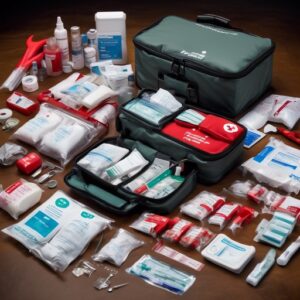
Components of a Viable First Aid Kit for Concerts

Essential Supplies

A standard First Aid Kit for a concert should be more comprehensive than a typical home or office kit. Here’s what a concert-specific First Aid Kit typically includes:

Basic Medical Supplies: Bandages, adhesive tape, antiseptic wipes, and gauze pads for treating minor cuts, scrapes, and wounds.

Emergency Medications: Pain relievers, antihistamines, epinephrine auto-injectors, and oral rehydration salts.

Respiratory and CPR Equipment: CPR masks, breathing barriers, and even automated external defibrillators (AEDs) for cardiac emergencies.

Cooling and Heating Packs: For treating heat exhaustion, sunburn, or sprains.

Instruments and Tools: Tweezers, scissors, safety pins, and a thermometer.

Advanced Preparations: Trained Medical Staff

While a First Aid Kit is essential, it is equally important to have trained personnel who can use the supplies effectively. Many jurisdictions require event organizers to hire certified medical professionals or first responders for large-scale events. This combination of a well-stocked First Aid Kit and trained staff ensures that injuries and emergencies can be handled swiftly and effectively.

The Legal Ramifications of Non-Compliance

Consequences for Concert Organizers

Failing to provide a viable First Aid Kit at a concert can lead to serious legal consequences for the organizers. In many places, this is considered a violation of health and safety regulations, which can result in hefty fines, lawsuits, and even the cancellation of future events. In cases where a lack of proper medical support results in serious injury or death, the organizers could face criminal charges.

Protecting the Audience and Mitigating Liability

By adhering to the legal requirements for First Aid Kits, concert organizers not only protect their attendees but also mitigate their own liability. Proper preparation demonstrates a commitment to safety and can be a strong defense against claims of negligence in the event of an incident. It also helps to build trust with the audience, who will feel more secure knowing that the event is prepared for emergencies.

Conclusion

Concerts are vibrant, high-energy experiences that can create lasting memories for attendees. However, with the excitement comes an element of risk that cannot be ignored. Laws mandating the presence of a viable First Aid Kit Concert exist to protect everyone involved—from the concert-goers to the staff and performers. These regulations are rooted in past tragedies and are designed to prevent future incidents by ensuring that the right supplies and trained personnel are available to handle emergencies swiftly.

A First Aid Kit might seem like a small and simple precaution, but its impact can be profound. Whether it’s treating a minor cut, providing relief for heat exhaustion, or stabilizing someone experiencing a medical emergency, the contents of a First Aid Kit can make all the difference in critical moments. That’s why the law requires them at concerts, and why their presence is an essential part of event planning.

In the end, having a well-prepared First Aid Kit is not just about complying with the law—it’s about ensuring the safety, health, and well-being of everyone who attends the event. It’s a small step that can lead to a safer, more enjoyable experience for all, turning potential disasters into manageable situations and allowing the music to continue uninterrupted.

What Laws Should Business Coaches for Entrepreneurs Be Aware Of?

business coaching laws

Business coaching for entrepreneurs has gained significant popularity over the years as more professionals seek guidance on how to start, grow, and manage their businesses. Business coaches provide valuable advice, strategic planning, and leadership development to help entrepreneurs achieve their goals. However, while business coaching focuses on enhancing performance, productivity, and success, it is essential that business coaches understand the legal landscape governing their profession and their clients’ businesses.

A thorough understanding of the laws that impact both the coaching industry and the businesses of their clients can protect business coaches from legal pitfalls and ensure they provide sound advice. This blog will explore the essential laws that business coaches for entrepreneurs should be aware of, including contract law, intellectual property law, employment law, privacy regulations, and more.

The Importance of Legal Knowledge for Business Coaches

Business coaches play a critical role in guiding entrepreneurs through their journey of building and scaling their businesses. Entrepreneurs, particularly those in the early stages, often seek advice on operations, growth strategies, market positioning, and managing risk. If a coach is unaware of relevant laws or gives advice that ignores legal obligations, it can lead to negative outcomes for both the coach and the client.

By understanding the key legal frameworks, coaches can not only avoid liability but also ensure that the advice they provide aligns with regulatory requirements. Let’s delve into the most important legal areas a business coach should consider.

Contract Law

One of the most critical areas of law that business coaches must be familiar with is contract law. Contracts govern the relationship between a coach and their client, as well as between entrepreneurs and their business partners, vendors, and customers.

Key aspects of contract law for coaches:

Client Agreements: Business coaches must establish clear, legally binding agreements with their clients. These contracts should outline the scope of services, payment terms, duration of the agreement, and provisions for termination. Ambiguities in contracts can lead to disputes, so clarity is essential.

Non-Disclosure Agreements (NDAs): Coaches often work with entrepreneurs who may share sensitive business information, such as trade secrets, business strategies, or proprietary technology. To protect the client’s intellectual property, NDAs are commonly used. Coaches must understand when NDAs are necessary and ensure they are enforceable.

Non-Compete Clauses: Coaches sometimes work with entrepreneurs in similar industries or geographic areas. Understanding non-compete laws can help coaches draft appropriate agreements that prevent conflicts of interest without violating laws related to restraint of trade.

Coaches should seek legal counsel when drafting contracts to ensure they are compliant with state or federal laws and that they offer adequate protection for both parties.

Intellectual Property (IP) Law

Intellectual property is often one of the most valuable assets of a business, especially in industries driven by innovation. Coaches must understand the basics of intellectual property law to guide entrepreneurs in protecting their ideas and creations.

Key areas of IP law:

Trademarks: Entrepreneurs often create unique branding elements, including logos, product names, and slogans. Coaches should advise clients on the importance of registering trademarks to protect these assets from infringement.

Copyrights: Content creators, authors, and designers need copyright protection for their original works. Coaches who work with entrepreneurs in these fields should ensure clients understand how to obtain copyright protection and avoid infringing on others’ copyrights.

Patents: For entrepreneurs developing new products, processes, or inventions, patents are crucial to prevent competitors from copying their innovations. Coaches should have a working knowledge of the patent process and the timeframes involved so they can provide accurate guidance to their clients.

Trade Secrets: In certain industries, proprietary formulas, business methods, or software codes may be protected as trade secrets. Coaches should encourage entrepreneurs to implement strong confidentiality practices and ensure employees sign agreements that protect these secrets.

By understanding the nuances of IP law, business coaches can help entrepreneurs protect their unique offerings and navigate potential legal challenges.

Employment Law

Employment law is a complex and critical area for entrepreneurs, especially as they begin to hire and manage teams. Business coaches should have a good understanding of employment laws to guide entrepreneurs in creating compliant workplaces and avoiding common legal pitfalls.

Key employment law considerations:

Employee Classification: Entrepreneurs need to understand the difference between employees and independent contractors. Misclassifying workers can result in significant legal and financial consequences, including back wages, penalties, and benefits claims. Coaches should educate clients on the proper classification of their workforce.

Wage and Hour Laws: Entrepreneurs must comply with federal and state wage laws, including minimum wage, overtime pay, and meal/rest break regulations. Coaches should advise clients to maintain accurate payroll records and adhere to local labor laws.

Anti-Discrimination Laws: Business coaches should ensure their clients are aware of anti-discrimination laws, including Title VII of the Civil Rights Act, the Americans with Disabilities Act (ADA), and the Age Discrimination in Employment Act (ADEA). These laws protect employees from unfair treatment based on race, gender, religion, age, and other protected characteristics.

Workplace Safety Regulations: The Occupational Safety and Health Administration (OSHA) establishes workplace safety standards. Coaches should advise entrepreneurs to implement safety protocols and provide adequate training to ensure compliance.

Understanding employment law helps coaches guide entrepreneurs in building positive, legally compliant workplaces that attract and retain talent.

Data Privacy and Cybersecurity Laws

As more businesses rely on digital platforms for marketing, sales, and customer management, data privacy and cybersecurity have become increasingly important. Business coaches must be aware of privacy laws that govern how businesses collect, store, and use personal information.

Key privacy law considerations:

General Data Protection Regulation (GDPR): If an entrepreneur’s business serves customers in the European Union, they must comply with the GDPR, which sets strict rules on data processing and privacy rights. Coaches should ensure their clients understand how to comply with GDPR requirements, including obtaining consent for data collection and providing customers with access to their data.

California Consumer Privacy Act (CCPA): For businesses operating in California, the CCPA imposes similar data privacy obligations, including the right for consumers to opt out of data collection. Coaches should familiarize themselves with the CCPA to advise clients on compliance.

Data Breach Notification Laws: Most states require businesses to notify individuals if their personal information has been compromised in a data breach. Coaches should ensure that entrepreneurs implement cybersecurity measures and have a breach response plan in place.

By understanding privacy and cybersecurity laws, coaches can help entrepreneurs protect their customers’ data and avoid costly fines or reputational damage.

Tax Law

Entrepreneurs often turn to business coaches for advice on how to manage their finances and maximize profitability. A basic understanding of tax law is essential for business coaches who provide this type of guidance.

Key tax law considerations:

Business Structure and Taxation: Coaches should understand the tax implications of different business structures, such as sole proprietorships, LLCs, S-corporations, and C-corporations. Entrepreneurs may need advice on selecting the right structure to minimize tax liability while achieving their business goals.

Self-Employment Taxes: Entrepreneurs who operate as sole proprietors or independent contractors are responsible for paying self-employment taxes. Coaches should ensure their clients are aware of these obligations and are setting aside funds to cover tax liabilities.

Deductions and Credits: Coaches can provide valuable guidance on common business deductions, such as home office expenses, travel costs, and employee benefits. Coaches should also help entrepreneurs understand tax credits that may apply to their business, such as the Research and Development (R&D) tax credit or the Work Opportunity Tax Credit.

While coaches should not act as tax advisors unless properly certified, having a working knowledge of tax laws can help them provide better guidance to their clients.

Industry-Specific Regulations

Every industry is governed by its own set of laws and regulations, and business coaches who specialize in certain sectors must familiarize themselves with the legal requirements specific to those industries.

Examples of industry-specific regulations:

Healthcare Industry: Entrepreneurs in the healthcare sector must comply with regulations such as the Health Insurance Portability and Accountability Act (HIPAA) to protect patient privacy.

Financial Services: Entrepreneurs in the financial industry must adhere to regulations set forth by the Securities and Exchange Commission (SEC) and other governing bodies to ensure transparency and protect investors.

Food and Beverage Industry: Businesses in the food sector must comply with health and safety regulations, including those enforced by the Food and Drug Administration (FDA) and local health departments.

Coaches who understand the specific regulations of their clients’ industries can provide more tailored and valuable advice, helping entrepreneurs navigate the unique legal challenges they face.

Professional Liability and Insurance

Business coaches themselves are not immune to legal risks. To protect their practice, coaches should understand the concept of professional liability and the importance of carrying appropriate insurance coverage.

Professional Liability (Errors and Omissions) Insurance: This type of insurance protects coaches from claims of negligence, inadequate advice, or failure to deliver promised results. Coaches should consider obtaining this coverage to mitigate the risk of lawsuits.

General Liability Insurance: This policy protects against claims related to bodily injury, property damage, or personal injury caused by the coach’s business operations.

Having the right insurance in place not only protects the coach but also ensures that their business is legally compliant and prepared for potential risks.

Conclusion

Business coaches for entrepreneurs must not only focus on delivering strategic and motivational guidance but also ensure that their advice is rooted in a solid understanding of legal principles. By familiarizing themselves with contract law, intellectual property law, employment law, data privacy regulations, tax law, and industry-specific regulations, coaches can better serve their clients and protect themselves from potential legal issues.

In a rapidly evolving business environment, staying informed about the latest legal developments is essential for business coaches. Whether advising on intellectual property protection, employee management, or data privacy compliance, a coach who understands the legal landscape can help entrepreneurs navigate challenges and achieve long-term success. Ultimately, combining legal awareness with business acumen empowers coaches to deliver value that goes beyond just performance improvement, ensuring both coach and client operate in a legally sound and protected manner.

The Laws Involved with Pipe Cleaning: Ensuring Compliance and Safety

oilfield chemicals laws

Pipe cleaning is a crucial aspect of maintaining safe and functional plumbing systems across residential, commercial, and industrial settings. However, it’s not just about keeping water flowing or sewage properly managed. The process of cleaning pipes involves various regulations and legal frameworks that ensure safety, environmental protection, and proper management of hazardous materials. These laws cover a wide range of areas, from environmental safety and waste disposal to worker protection and the use of specialized equipment.

In this article, we will delve into the key laws governing pipe cleaning, their importance, and how professionals in the industry must ensure compliance to avoid legal complications. We’ll also touch on how these regulations vary depending on the location, the type of pipes involved, and the materials handled.

The Clean Water Act (CWA)

One of the primary federal laws impacting pipe cleaning operations is the Clean Water Act (CWA). Enacted in 1972, this law regulates discharges of pollutants into the waters of the United States and ensures the quality of surface waters. For companies involved in pipe cleaning, especially those dealing with wastewater systems, compliance with the CWA is critical. Failure to properly manage and treat wastewater during and after pipe cleaning can result in significant fines and penalties.

Pipe cleaning operations that involve clearing blockages in sewage systems or stormwater pipes must adhere to standards that prevent the release of contaminants into nearby water bodies. This means using approved cleaning agents, containing pollutants, and disposing of wastewater in a manner that complies with federal and state guidelines.

Resource Conservation and Recovery Act (RCRA)

The RCRA governs the management of hazardous waste from its creation to its disposal. Pipe cleaning, particularly in industrial settings, may involve the removal of hazardous substances such as chemicals, sludge, or even radioactive materials. Under the RCRA, these materials must be properly identified, handled, and disposed of using approved methods to prevent contamination of land and water.

Businesses conducting pipe cleaning that generate hazardous waste are required to maintain proper documentation, follow storage regulations, and ensure that waste is treated, transported, and disposed of in an environmentally safe manner. The Environmental Protection Agency (EPA) oversees this, and failure to comply can result in hefty fines or even criminal charges for negligence.

Occupational Safety and Health Act (OSHA)

The Occupational Safety and Health Administration (OSHA) enforces regulations designed to protect workers from hazards on the job. Pipe cleaning can involve working in confined spaces, exposure to toxic chemicals, and handling high-pressure cleaning equipment, all of which pose risks to workers. OSHA standards require employers to provide proper training, safety equipment, and monitoring systems to ensure that pipe cleaning professionals are working in safe conditions.

Employers must also ensure compliance with the Confined Spaces Standard (29 CFR 1910.146), which is particularly relevant to pipe cleaning in underground or enclosed systems. This standard mandates that workers in confined spaces have appropriate ventilation, air quality monitoring, and escape routes in case of an emergency.

National Environmental Policy Act (NEPA)

The National Environmental Policy Act (NEPA) requires federal agencies to assess the environmental impact of their actions before undertaking major projects. In the context of pipe cleaning, especially large-scale projects involving federal infrastructure, compliance with NEPA means conducting environmental assessments to ensure that pipe cleaning activities do not negatively affect ecosystems or communities.

This law requires collaboration with environmental scientists and regulatory bodies to evaluate the potential harm from the chemicals and methods used in pipe cleaning. Companies working on federally funded projects must be especially vigilant in ensuring that their operations meet NEPA’s standards to avoid project delays or legal repercussions.

State and Local Regulations

While federal laws provide overarching guidelines, many states and municipalities have their own regulations governing pipe cleaning activities. These can include stricter environmental protection laws, additional licensing requirements for pipe cleaning contractors, and specific waste disposal procedures.

For example, some states require companies to obtain special permits for using certain pipe cleaning chemicals or equipment, while others may have more stringent rules regarding the disposal of wastewater or debris cleared from pipes. It’s important for pipe cleaning businesses to be familiar with the laws in their specific location and ensure compliance with both state and federal regulations.

Environmental Protection Agency (EPA) Guidelines

Beyond federal laws, the EPA provides a wide range of guidelines that influence how pipe cleaning should be conducted. These include best practices for managing wastewater, handling chemicals, and mitigating the environmental impact of pipe cleaning operations. The EPA also oversees the permitting process for companies that discharge treated wastewater into surface waters.

The agency’s guidelines often evolve as new environmental issues arise, so staying up-to-date on EPA recommendations is crucial for pipe cleaning companies. In some cases, state environmental agencies may have additional guidelines that complement or go beyond those issued by the EPA.

The Pipeline Safety Act

For pipe cleaning companies involved in maintaining natural gas or hazardous liquid pipelines, the Pipeline Safety Act (49 CFR Parts 192 and 195) is a key piece of legislation. This act establishes standards for the operation, maintenance, and inspection of pipelines to ensure public safety and environmental protection.

Cleaning operations on pipelines that carry gas or hazardous liquids must be carried out in accordance with the act’s provisions. This includes using certified equipment, following inspection protocols, and ensuring that cleaning does not damage the integrity of the pipeline.

Licensing and Certification Requirements

Many jurisdictions require pipe cleaning professionals to be licensed or certified to operate legally. These requirements often include passing an exam that covers safety practices, environmental laws, and technical skills related to pipe cleaning. Licensing ensures that companies and workers are knowledgeable about the laws and risks associated with the job.

Some states also require businesses to carry specific types of insurance, such as environmental liability insurance, to cover potential damages from pipe cleaning activities.

Conclusion

Compliance with the laws and regulations governing pipecleaning is not just a legal requirement but a moral obligation to protect workers, the environment, and the community. From federal laws like the Clean Water Act and RCRA to local licensing requirements, pipe cleaning companies must navigate a complex legal landscape to operate safely and effectively. Failure to adhere to these laws can result in significant penalties, legal action, and harm to the environment.

As the pipe cleaning industry evolves, with advancements in technology and growing environmental concerns, it’s likely that regulations will continue to become more stringent. Companies that stay informed about legal changes and prioritize compliance will not only avoid legal trouble but also build a reputation for responsible and sustainable practices.

The Laws Involved in Manufacturing Montblanc Pens: A Detailed Overview

Montblanc fountain pen laws

Montblanc pens have long been synonymous with luxury, craftsmanship, and prestige. The company, founded in 1906 in Germany, produces a wide range of writing instruments that are celebrated for their elegance, quality, and precision. However, the process of manufacturing these pens is governed by a complex web of laws and regulations that ensure compliance with international standards, protect intellectual property, guarantee consumer safety, and preserve the brand’s reputation.

In this article, we will explore the various laws and legal frameworks involved in the manufacturing of Montblanc pens. These laws cover intellectual property protection, labor and environmental regulations, consumer safety standards, and international trade laws. Understanding these regulations is crucial for companies like Montblanc to operate smoothly in a highly regulated global marketplace.

Introduction to Montblanc Pens

Montblanc is one of the most iconic names in the luxury goods industry, with its pens being used by statesmen, dignitaries, and business leaders for decades. The brand’s emblem, a stylized white star, has become a symbol of excellence in craftsmanship and writing instruments. Montblanc pens are often regarded as collector’s items and are prized for their high-quality materials, meticulous attention to detail, and flawless performance.

However, creating a luxury product like Montblanc’s pens goes far beyond the artistry involved. The brand must adhere to a range of legal standards to ensure that its manufacturing processes comply with local, national, and international regulations. These laws touch on intellectual property rights, labor conditions, product safety, environmental impact, and even the import and export of goods.

Intellectual Property Laws

One of the most significant legal concerns for any luxury goods manufacturer is the protection of intellectual property (IP). Montblanc, like other high-end brands, invests heavily in the design and development of its products. As such, protecting these designs from counterfeiting and infringement is a top priority.

Patent Law

Montblanc pens often incorporate unique technologies and designs that are protected by patents. Patents are legal instruments that give the company exclusive rights to produce and sell inventions for a set period, usually 20 years. By obtaining patents for certain features—such as the pen’s nib design, ink flow mechanism, or other innovations—Montblanc ensures that its intellectual property is protected against unauthorized use by competitors.

For example, Montblanc has patented several innovative technologies related to the writing experience, such as the high-precision ink feed systems and ergonomic designs. Patent law provides Montblanc with the legal recourse to sue companies or individuals that attempt to reproduce these innovations without permission.

Trademark Law

Trademarks are another critical aspect of Montblanc’s legal protections. The brand’s distinctive logo—a white star representing the snow-covered peak of Mont Blanc—is a registered trademark. This logo, along with the brand’s name, is protected by trademark law, preventing unauthorized use by counterfeiters or competitors.

Trademark law ensures that consumers can identify the origin of a product, which is essential for a luxury brand like Montblanc that relies on its reputation for quality. Any misuse of the brand’s name or logo could harm its image, and trademark law provides a legal framework for pursuing those who engage in such violations.

Copyright Law

Montblanc’s pens often feature limited edition designs inspired by famous historical figures, artistic movements, or literary works. These designs are protected by copyright law, which safeguards original works of art, literature, and design. Copyright law ensures that these unique designs cannot be replicated or sold without authorization, preserving the originality of Montblanc’s special edition pens.

Labor Laws and Ethical Manufacturing

The manufacturing of Montblanc pens involves a highly skilled workforce, especially in the production of the pen’s nib, which is often made of gold or platinum and hand-finished. As a global brand, Montblanc must comply with labor laws in every jurisdiction where it operates. These laws ensure that the company adheres to fair labor practices, including wages, working hours, and conditions.

International Labor Standards

Montblanc, like many global companies, must ensure compliance with the International Labour Organization (ILO) standards. These standards include prohibitions on child labor, forced labor, and discrimination in the workplace. Adhering to these principles not only ensures legal compliance but also maintains Montblanc’s image as a socially responsible brand.

Occupational Health and Safety

Safety regulations are another aspect of labor law that Montblanc must comply with. In manufacturing facilities, where precision machining, polishing, and assembly take place, workers must be provided with a safe working environment. This includes adhering to workplace safety standards that prevent accidents and injuries.

Montblanc’s factories must also meet legal requirements related to employee benefits, such as healthcare, paid leave, and pensions, ensuring that their employees are treated fairly and ethically.

Environmental Laws

In recent years, there has been growing awareness of the environmental impact of manufacturing processes, and Montblanc is no exception. The company must comply with stringent environmental regulations to minimize its carbon footprint and reduce waste.

Sustainability and Materials

The materials used in Montblanc pens, such as precious metals, resins, and celluloid, are subject to environmental regulations. Montblanc must ensure that its sourcing of raw materials does not contribute to environmental degradation or human rights abuses. For instance, the sourcing of gold and other precious metals used in its pens is regulated under laws designed to prevent the use of conflict minerals.

Additionally, Montblanc must comply with European Union (EU) regulations such as REACH (Registration, Evaluation, Authorisation, and Restriction of Chemicals), which governs the use of chemicals in manufacturing. This regulation ensures that hazardous substances are identified and limited in their use to protect both human health and the environment.

Waste Management and Recycling

Manufacturing processes often generate waste, and Montblanc is required to manage this waste responsibly. Waste management laws require the company to reduce its waste output, properly dispose of hazardous materials, and promote recycling where possible.

Montblanc’s adherence to environmental regulations not only protects the environment but also aligns with the growing consumer demand for sustainable and eco-friendly products. By implementing green practices, Montblanc can both comply with the law and enhance its brand image.

Consumer Safety Laws

The safety of consumers is a top priority for any product manufacturer, and luxury goods are no exception. Montblanc pens are subject to strict consumer safety laws that ensure they are safe to use and meet certain quality standards.

Product Safety Standards

In the European Union, Montblanc must comply with the General Product Safety Directive, which ensures that all products placed on the market are safe. In the United States, the Consumer Product Safety Commission (CPSC) regulates product safety, and Montblanc must ensure that its pens meet the required safety standards before they can be sold.

This includes ensuring that the materials used in the pens are non-toxic, that the mechanical components function properly, and that there are no sharp edges or other hazards that could pose a risk to consumers.

Quality Control and Testing

To comply with safety laws, Montblanc implements rigorous quality control and testing procedures. Each pen undergoes meticulous inspection to ensure it meets the company’s high standards and complies with legal requirements. Any defects or safety concerns are addressed before the product reaches the market.

International Trade Laws

Montblanc is a global brand, and its products are sold in countries around the world. As such, the company must navigate the complexities of international trade law, including tariffs, import/export regulations, and trade agreements.

Import and Export Regulations

Montblanc pens are often made using materials sourced from different countries, and the final product is shipped internationally. This requires the company to comply with import/export regulations in each country. Customs duties, taxes, and import restrictions can affect how Montblanc moves its products across borders.

For instance, Montblanc must ensure that it correctly classifies its products for customs purposes, determines the appropriate duties, and adheres to any import quotas or restrictions. Failure to comply with these regulations could result in costly fines or delays in the shipment of goods.

Trade Agreements

Montblanc benefits from trade agreements between countries that reduce tariffs and streamline the import/export process. For example, the EU’s trade agreements with countries around the world help reduce costs and simplify the logistics of exporting Montblanc pens to international markets.

Conclusion

The manufacturing of Montblanc pens is not only a testament to exceptional craftsmanship but also a process governed by a comprehensive set of laws and regulations. From intellectual property protection to labor laws, environmental regulations, and international trade laws, Montblanc must navigate a complex legal landscape to maintain its position as a leader in the luxury pen industry.

By adhering to these laws, Montblanc ensures that its products are safe, ethical, and of the highest quality, while also protecting its brand and reputation. The company’s commitment to legal compliance reflects its dedication to excellence, both in its products and its business practices. As consumers continue to demand transparency, sustainability, and social responsibility from the brands they support, Montblanc’s adherence to legal and ethical standards will remain a key part of its enduring success.